4 Hardcore Specs of IP67 Waterproof Grow Lights That Pros Look For
From "just keeping plants alive" to "growing them well" – the secret of plant factories lies in the light spectrum
1. Plants Don't Just Need "Brightness" – The Light Recipe Determines Yield
Many people think that as long as you give plants enough bright light, they will grow well. But the truth is: plants are highly selective about light; different wavelengths drive different physiological responses.
- Red light (around 660nm) : promotes photosynthesis, stem elongation, flowering and fruiting
- Blue light (around 450nm) : controls chlorophyll synthesis, prevents leggy growth, enhances colour
- Far‑red light (730nm) : regulates flowering cycles (photoperiod effect)
- Ultraviolet (UV) : boosts secondary metabolites (e.g. anthocyanins, aromatics)
Ordinary white LEDs, although "bright", have a messy spectrum and lack the key bands plants need. Long‑term use can cause leggy growth, poor flowering and inferior taste. The core value of a dedicated LED grow light is to provide a precise "light recipe".
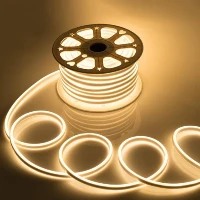
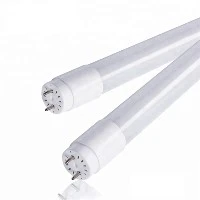
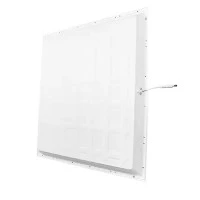
The Benwei IP67 waterproof LED grow light is designed for efficient supplemental lighting in greenhouses, polytunnels, indoor cultivation and hydroponics. Below we break down its advantages using four hardcore specifications.
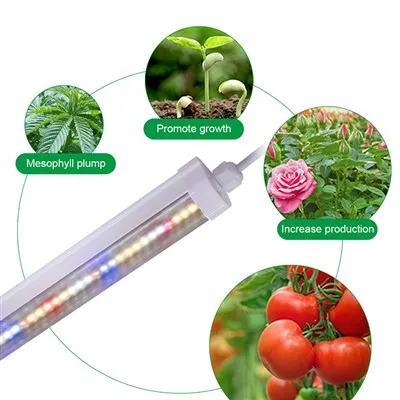
2. Spectrum Ratio: Full Spectrum vs. Red+Blue – Each Has Its Strengths
Grow lights on the market mainly fall into two types:
| Type | Characteristics | Best For |
|---|---|---|
| Red+Blue (purplish‑pink) | High efficacy, energy‑saving, most targeted | Leafy greens, flowering/fruiting plants – commercial cultivation |
| Full Spectrum (white light) | Comfortable to the eye, good for home display | Home growing, living walls, succulents |
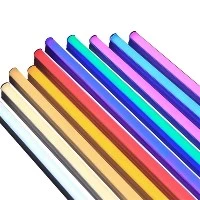
The Benwei grow light offers multiple spectrum options : full‑spectrum white (suitable for home/display) and high‑efficiency red+blue (for commercial cultivation). The red+blue version typically uses a 660nm deep red + 450nm deep blue ratio, with red accounting for 70‑80% and blue 20‑30%. This significantly boosts Photosynthetically Active Radiation (PAR) output and saves 20‑30% more energy than full‑spectrum white.
If you are a commercial grower chasing yield per square metre, red+blue is the first choice. If you are growing indoors at home and care about visual appearance, full spectrum is more suitable.
3. PPFD and Efficacy: Don't Be Fooled by "Wattage"
The key metric for a grow light is not wattage but PPFD (Photosynthetic Photon Flux Density) , measured in µmol/m²/s – the number of photons falling on one square metre per second.
An ordinary LED light may have high wattage, but most of its energy is wasted in green and yellow light (which plants barely absorb). The Benwei grow light uses high‑quantum‑efficiency LED chips and typically delivers 600‑1000 µmol/m²/s @0.5m (depending on power model) – fully meeting the mid‑to‑late stage light requirements of fruiting vegetables like tomatoes, peppers and cucumbers.
In addition, efficacy (µmol/J) is critical. It represents how many photosynthetic photons are produced per joule of electricity consumed. Quality grow lights usually achieve 2.0‑2.5 µmol/J or higher. The Benwei grow light has been measured at 2.3 µmol/J – far exceeding ordinary lighting products.
One piece of advice : When choosing a grow light, ask the manufacturer for a PPFD distribution map (light field diagram) and efficacy data, not just the "wattage".
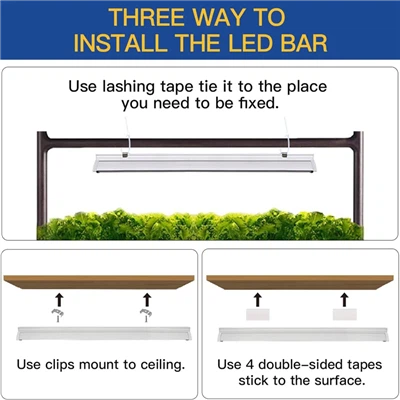
4. IP67 Waterproofing: Essential for Survival in High‑Humidity Greenhouses
Plant growing environments are usually extremely humid (70‑90%), and sometimes require direct spraying or leaf washing. Ordinary LEDs are not waterproof – within months they can be destroyed by moisture corrosion, or even cause short circuits and fires.
IP67 rating means:
- Dust‑tight (level 6)
- Immersion up to 1 metre for 30 minutes (level 7) – in practice it withstands high‑pressure water jets, condensation and splashing.
The Benwei grow light uses full potting encapsulation + a waterproof breathable valve – not only waterproof, but also balancing internal and external pressure to prevent condensation. The housing is aluminium alloy heatsink + weather‑resistant PC cover , which does not corrode or yellow under long‑term high‑temperature, high‑humidity conditions.
For commercial greenhouses, large plant factories, and outdoor container farms, IP67 is almost a mandatory requirement.

5. Heat Dissipation and Lifespan: The Hidden Killer Most People Ignore
LED chips are extremely sensitive to temperature. For every 10°C increase in junction temperature, the lifespan is cut in half. Grow lights often need to run 12‑16 hours a day, so the thermal design directly determines actual service life.
The Benwei grow light uses a thick‑wall aluminium fin heatsink + large‑area thermal pad . No fan is needed (avoids dust ingress and noise); passive cooling is sufficient to keep the LED junction temperature below 85°C. Combined with a constant‑current driver , the whole fixture achieves 50,000+ hours of life (i.e. 5‑6 years of continuous use) with less than 30% lumen depreciation.
Moreover, fanless design is especially important in greenhouses – fans suck in moisture, dust and insect eggs, accelerating failures.
6. Which Scenarios Are Best Suited for This IP67 Grow Light?
| Application | Why IP67 Waterproof Grow Light is Needed |
|---|---|
| Commercial greenhouses | High humidity, spraying, long run‑time – must be waterproof + long‑life |
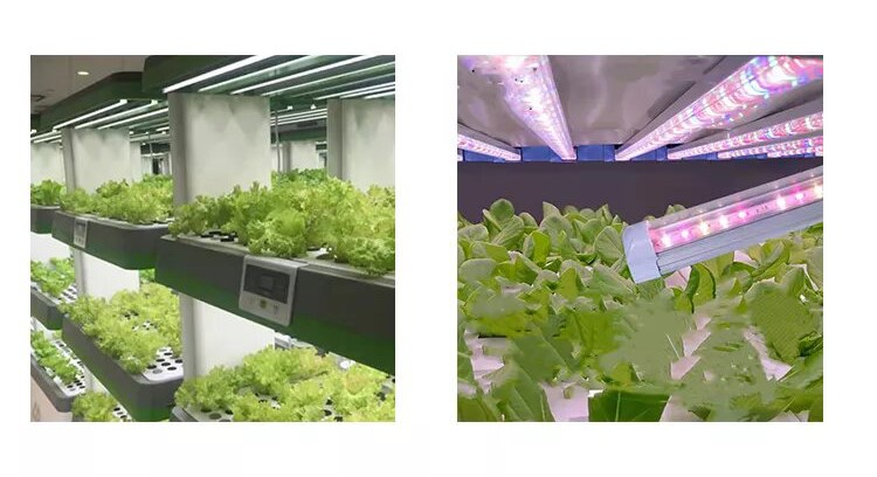
| Indoor vertical farms | Multi‑layer shelving – needs efficient heat dissipation and uniform light |
| Home hydroponics / aquaponics | Humid environment, occasional splashing – IP67 gives peace of mind |
| Plant factory seedling rooms | Requires precise spectrum and stable PPFD output |
| Container farming | Enclosed, high‑humidity – lights must resist moisture and corrosion |
Even for home use, if you regularly mist your plants or place the light on an open balcony, IP67 gives you an extra layer of protection.
7. Summary: Choosing an LED Grow Light – Remember These 4 Keywords
- Spectrum – choose full‑spectrum or red+blue according to what you grow
- PPFD and efficacy – ask for real data, not inflated wattage claims
- Waterproof rating – at least IP65 for greenhouses, IP67 preferred for high‑humidity
- Heat dissipation and lifespan – fanless passive cooling + aluminium fins is more reliable
The Benwei IP67 waterproof LED grow light meets professional standards in spectral flexibility, efficacy, waterproofing and thermal design. Whether you are a commercial grower or a home gardening enthusiast, this light helps you move from "just keeping plants alive" to "growing them well".