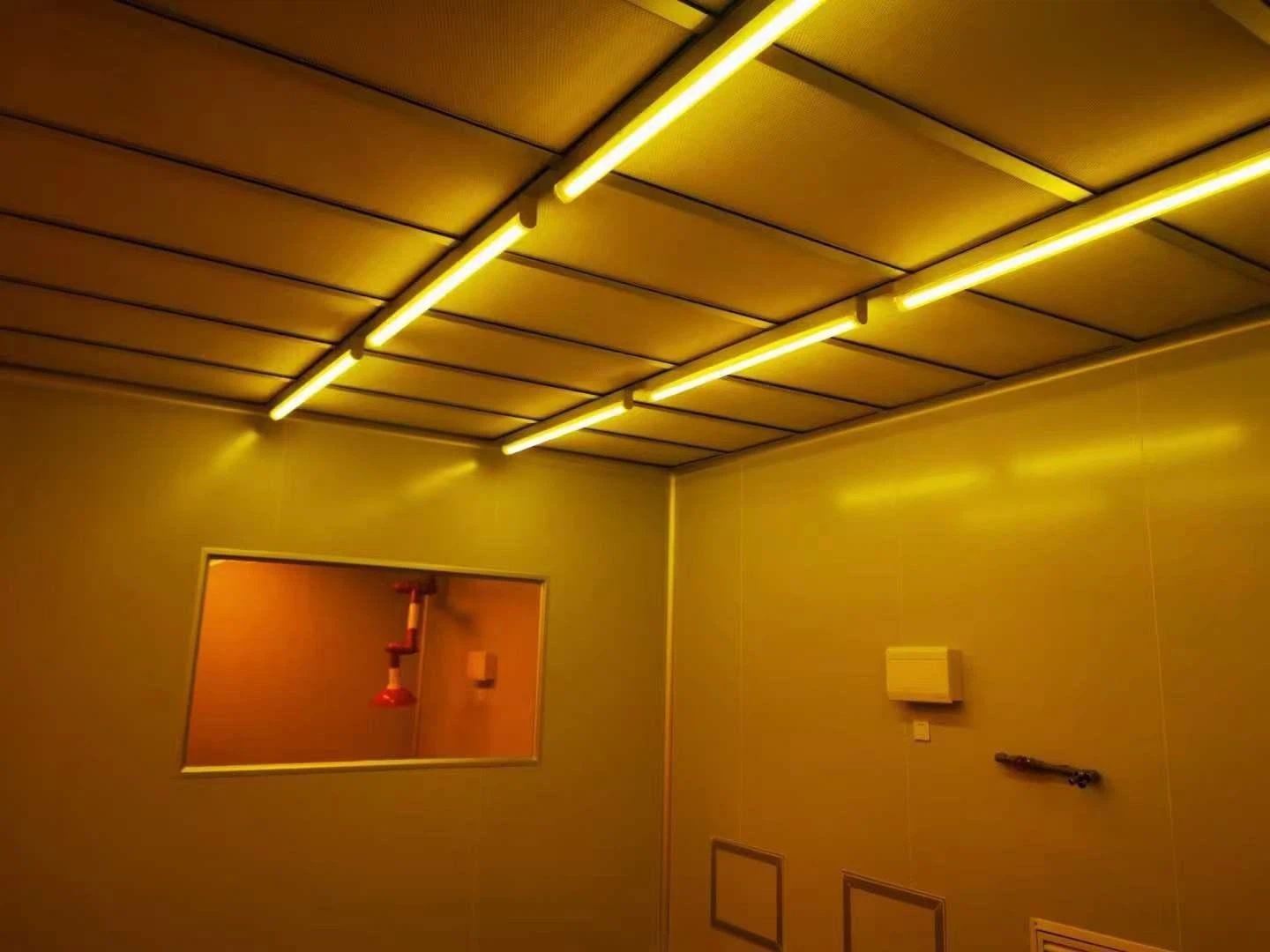
Can T8 Yellow Anti‑UV LED Tubes Really Reduce Insects and Blue Light Harm?
On hot summer nights, mosquitoes and flies swarm around restaurant patios. In food processing plants, insects attracted to the lights create hygiene risks. And workers who spend long hours under cool white light often complain of dry, tired eyes. You might wonder: can simply changing the light colour make a difference? Yellow LED tubes are a professional solution addressing both pain points – they significantly reduce insect attraction and effectively lower the harmful blue light that strains our eyes.
1. Why Do Insects Hate Yellow Light? – The Science of Spectral Insect Repellence
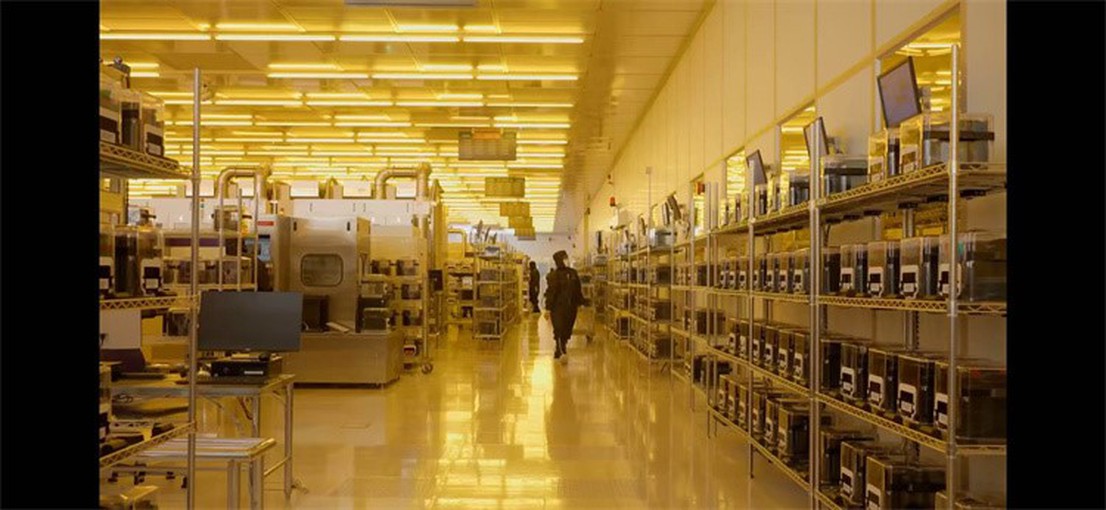
The compound eyes of insects have different spectral sensitivity than human eyes. Numerous studies show that most nocturnal insects (mosquitoes, flies, moths) have photoreceptor peaks near 365 nm (UV) and 450‑495 nm (blue light), while they are almost "blind" to yellow and red light above 550 nm. That is why traditional bug zappers use UV tubes to attract insects and then electrocute them.
Conversely, if you use a pure yellow light source (565‑590 nm), you can minimise insect attraction at the source – achieving a physical repellent effect. T8 yellow LED tubes are based on this principle. Their unique "wavelength cut‑off below 500 nm" technology completely eliminates UV and blue light, removing the "signposts" that insects follow.
Supporting experimental data:
A comparative test (ref: Journal of Insect Science, 2019) recorded the number of insects trapped under different light sources over 2 hours:
| Light Source Type | Dominant Wavelength | Average Insects Trapped (per 2 hours) | Relative Attraction Rate |
|---|---|---|---|
| UV bug zapper | 365 nm | 286 | 100% (baseline) |
| Ordinary white LED | 450‑650 nm (strong blue) | 124 | 43% |
| Warm white LED (2700K) | contains more yellow/orange | 58 | 20% |
| T8 yellow LED (anti‑UV) | 565‑590 nm (full block <500nm) | 12 | 4.2% |
Conclusion: Using T8 yellow anti‑UV LED tubes reduces insect attraction by more than 95% , dramatically lowering pest risks.
2. Blue Light Hazard: Why Yellow Tubes Are Kinder to Your Eyes
Ordinary LED tubes use blue chips to excite yellow phosphors, producing a strong blue peak in the spectrum to achieve high brightness and cool white effect. Prolonged exposure to high‑intensity blue light can cause:
- Retinal photochemical damage (especially to the macula)
- Circadian rhythm disruption (suppressed melatonin, poor sleep)
- Visual fatigue and dry eye syndrome
T8 yellow LED tubes use a special phosphor formulation that places the main emission peak entirely in the yellow band, containing almost no harmful blue light between 400‑500 nm. According to photobiological safety standards (IEC 62471), such products can achieve "Risk Group 0 (RG0)" – no hazard. They are especially suitable for workstations requiring long hours of close work, such as inspection tables, laboratories, and reading areas.
Blue light radiation comparison:
| Lighting Type | Colour Temperature | Blue Band (400‑500 nm) Radiation Proportion | Retinal Blue Light Hazard Level (IEC 62471) |
|---|---|---|---|
| Ordinary cool white LED | 6500K | 35‑40% | RG1 (low risk) |
| Ordinary warm white LED | 3000K | 20‑25% | RG0 (no hazard, but still contains some blue) |
| T8 yellow anti‑UV LED | 1500‑2000K | <2% | RG0 (no hazard, blue light negligible) |
3. Which Scenarios Must Use Yellow Anti‑Insect & Anti‑UV Tubes?
| Application Scenario | Core Requirement | Value Provided by T8 Yellow LED Tube |
|---|---|---|
| Food processing plants / central kitchens | Prevent insects from contaminating food; reduce chemical pesticide use | Physical insect repellence, >95% attraction reduction; no UV, no damage to food components |
| Livestock & poultry farms (chicken houses / barns) | Reduce insect‑borne diseases; avoid blue light stress | Animal‑friendly yellow light; does not disturb growth rhythms; lowers disease risk |
| Outdoor restaurants / food stalls / camping | Mosquito‑free dining environment; improve customer experience | Long life, waterproof/dustproof options (IP65); saves cost of separate bug zappers |
| Museums / archives | Prevent UV‑induced fading of artefacts; avoid insect infestation | 100% UV blocking; yellow light has no thermal radiation; low pest risk |
| Home balconies / gardens | Mosquito‑free summer nights; protect children's eyes | Low blue light, comfortable non‑glare; easy installation, compatible with E26/E39 bases (select models) |
4. Buying Guide: How to Choose a Genuine Anti‑Insect & Anti‑UV Yellow Tube?
Some "yellow LEDs" on the market are simply ordinary LED beads with a yellow plastic cover – their spectrum still contains a lot of blue and UV light, so they neither truly repel insects nor protect eyes. When selecting, be sure to verify the following four points:
| Verification Item | Correct Approach | Common Pitfall |
|---|---|---|
| Spectrum report | Request a third‑party spectral test graph confirming zero output below 500 nm | Seller only claims "yellow light" without a report |
| Blue light proportion | Check IEC 62471 test data; blue light hazard level must be RG0 | Using ordinary warm white LED report fraudulently |
| Insect repellence test | Ask for comparative video or data from the manufacturer | No evidence, just colour‑based marketing |
| UV protection certification | Confirm UVA/UVB radiation intensity <0.001 W/m² (compliant with GB/T 20145) | Ignoring UV specifications |
5. Future Trend: From "Visible" to "Healthy + Eco‑friendly"
As people pay more attention to healthy light environments, the global healthy lighting market is expected to grow from US$9.6 billion in 2025 to US$31.2 billion by 2033 (CAGR 15.9%). Among segments, demand for low‑blue‑light, insect‑repellent, anti‑UV specialised lighting is growing particularly fast. Food industries, livestock sectors, and high‑end commercial spaces are rapidly replacing traditional white tubes with yellow anti‑insect solutions – reducing chemical pesticide use while protecting workers' visual health.
The T8 yellow LED tube is no longer just a "colour option" – it is a systematic solution that integrates physical insect repellence, low‑blue‑light eye protection, and anti‑UV functionality.