How to properly use a Cattle Lamp


Table of Contents
What Is a Kettle Lamp, and How Does It Work?
How Specific Light Spectra Influence Cattle Physiology and Productivity
Benefits of Using Smart Cattle Lamps in Modern Dairy Farming
How to Choose the Right Cattle Lamp for Your Farm
Case Study: Cattle Lamp Effects on Milk Yield and Cow Behavior
Frequently Asked Questions About Cattle Lamps
Solutions to Common Cattle Lamp Challenges
Glossary of Technical Terms
References and Further Reading
What Is a Kettle Lamp, and How Does It Work?
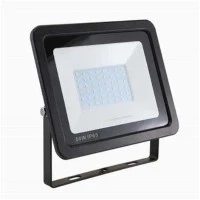
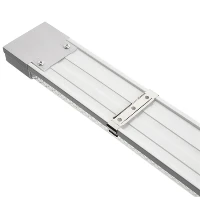
A cattle lamp is an advanced LED lighting system engineered to optimize the health, behavior, and productivity of dairy cattle through precise spectral control. Unlike conventional farm lighting, these cattle lamps emit customizable wavelengths-from ultraviolet to infrared-that mimic natural sunlight and influence circadian rhythms, hormone secretion, and metabolic processes.
Modern cattle lamps, such as the system described in Chinese Patent CN 117859665 A, incorporate multi-channel, full-spectrum LED arrays with independent control over red, blue, green, and white channels. These devices are often compatible with IoT platforms, allowing farmers to remotely adjust intensity, spectra, and photoperiods via Wi-Fi, app, or DMX controls. The cattle lamp is not merely an illumination tool but a biostimulative device designed to enhance milk yield, improve animal welfare, and streamline farm management.
How Specific Light Spectra Influence Cattle Physiology and Productivity

The Science Behind Red, Blue, and Mixed Light Spectra
Different wavelengths of light trigger distinct physiological responses in dairy cows. Red light (620–660 nm) has been shown to stimulate prolactin secretion, a hormone directly linked to milk production. Blue light (450–470 nm) affects the production of melatonin and encourages calm behavior. Green light (510–550 nm) helps with overall health and eating.
In controlled studies, cattle lamps emitting red-blue mixed spectra increased daily milk yield by up to 30% compared to standard white light. Cows under red-blue illumination also exhibited higher activity levels, improved feed conversion ratios, and more stable temperaments. These effects are attributed to the lamps' ability to replicate the dynamic light conditions of a natural environment, which promotes both physical and psychological health in herd animals.
Key Metrics: Prolactin Levels, Feed Intake, and Resting Behavior
Research involving cattle lamp systems has demonstrated significant improvements in several key performance indicators:
Prolactin Secretion: Red-light-dominated spectra raised prolactin levels by 18–25%.
Feed Consumption: Cows under mixed red-blue-green light consumed 12–15% more feed.
Resting Time: Optimized lighting reduced restless behavior and increased lying time by 20%.
These findings confirm that tailored spectral output is a powerful non-pharmaceutical tool for enhancing dairy farm efficiency.
Benefits of Using Smart Cattle Lamps in Modern Dairy Farming

Smart cattle lamps deliver multiple advantages over traditional lighting systems, including
Increased Milk Production: Red and red-blue spectra can boost milk yield by 15–30%.
Improved Animal Welfare: Customizable spectra reduce stress and support natural behaviors.
Energy Efficiency: LED-based cattle lamps consume 50–70% less energy than metal halide or fluorescent fixtures.
Longevity and Durability: With IP65-rated housings and robust thermal management, these systems operate reliably in harsh farm environments.
The following table summarizes the zootechnical benefits observed under different cattle lamp spectra:
Impact of Different Light Spectra on Dairy Cow Performance
|
Light Spectrum |
Milk Yield Increase (%) |
Feed Intake Change (%) |
Prolactin Level Change (%) |
Behavioral Stability |
|---|---|---|---|---|
|
Red Light |
+20–30% |
+10–12% |
+18–25% |
Moderate Improvement |
|
Blue Light |
+5–10% |
+5–8% |
+5–10% |
Significant Improvement |
|
Red-Blue Mixed |
+25–30% |
+12–15% |
+20–28% |
High Improvement |
|
White Light |
Baseline |
Baseline |
Baseline |
Baseline |
How to Choose the Right Cattle Lamp for Your Farm

Critical Selection Criteria: Spectrum Tunability, Control Systems, and Robustness
When selecting a cattle lamp, consider the following factors:
Spectral Range: Look for systems offering 365–780 nm coverage with at least four independently controllable channels.
Control Options: Choose cattle lamps compatible with wireless networks, central controllers, and scheduling software.
Environmental Resistance: Ensure an IP65 rating and corrosion-resistant construction.
Compliance with Biological Parameters: Verify that the lamp delivers the required lux levels (e.g., 200 LUX daytime, 10–25 LUX nighttime) and uniform illumination.
Comparison of Leading Cattle Lamp Models
|
Model |
Spectral Range (nm) |
Channels |
Power (W) |
Control Method |
Protection Rating |
|---|---|---|---|---|---|
|
Model A |
365–780 |
4 |
60/100/150 |
Wi-Fi, APP, DMX |
IP65 |
|
Model B |
380–750 |
3 |
50/80 |
IR Remote |
IP54 |
|
Model C |
400–700 |
2 |
40/70 |
Manual Dimming |
IP65 |
Case Study: Cattle Lamp Effects on Milk Yield and Cow Behavior

A series of experiments conducted in accordance with patent CN 117859665 evaluated cattle lamp performance under real farm conditions. Over 30-day trials with groups of 10 Holstein cows each, the following results were recorded:
Red-Blue Mixed Light: Milk production increased by 28%, feed intake rose by 14%, and prolactin levels were 26% higher than the control group.
Mixed RGB Light: This group showed the most balanced improvement, with a 30% milk yield boost, 15% higher feed consumption, and the most stable behavioral scores.
White Light Control: No significant changes in yield or behavior were observed.
These outcomes validate the cattle lamp as a viable tool for enhancing dairy farm profitability and animal well-being.
Frequently Asked Questions About Cattle Lamps
How Many Hours per Day Should Cattle Lamps Be Operated?
Dairy cows typically require 16–18 hours of light daily, followed by 6–8 hours of dim night lighting to simulate natural diurnal cycles.
Can Cattle Lamps Be Used in Free-Stall Barns?
Yes. Cattle lamps are designed for easy installation in free-stall, tie-stall, and open barns. 3D modeling during planning helps ensure uniform light distribution.
Do Cattle Lamps Work for Beef Cattle?
While most research focuses on dairy cows, beef cattle may also benefit from optimized lighting, particularly in terms of growth rate and behavioral calmness.
What Is the Typical Payback Period for a Cattle Lamp System?
Most farms recover their investment within 12–18 months thanks to higher milk yields and lower energy costs.
Are Cattle Lamps Safe for Animals and Workers?
Yes. These devices emit no UVB/UVC radiation and operate at low surface temperatures, ensuring safety for both livestock and personnel.

Solutions to Common Cattle Lamp Challenges
Problem: Inadequate light uniformity causing shadowed areas.
Solution: Use 3D modeling software to simulate light spread and optimize fixture placement.
Problem: High initial investment.
Solution: Seek government agricultural grants or subsidies for energy-efficient farm technologies.
Problem: Difficulty integrating with existing farm management systems.
Solution: Select cattle lamps with open API architecture and compatibility with popular farm IoT platforms.
Problem: Maintenance in dusty or humid environments.
Solution: Choose IP65-rated fixtures and establish a regular cleaning schedule.
Problem: Adjusting spectra for different cattle breeds.
Solution: Refer to breed-specific lighting parameters (e.g., Holstein vs. Jersey) and customize settings accordingly.
Glossary of Technical Terms
Prolactin: A hormone that stimulates milk production.
Lux (LUX): A unit of illuminance measuring light intensity as perceived by the human eye.
IP65 Rating: International Protection code indicating dust-tight and water-resistant construction.
DMX Control: A digital communication network for controlling lighting devices.
Full-Spectrum Light: Light that covers the entire visible spectrum from violet to red.
References and Further Reading
CN 117859665 A (2024). A Cattle Lamp Based on Specific Biological Light and Its Breeding Method. National Intellectual Property Administration of China.
Phillips, C.J.C., & Schofield, S.A. (2020). The Effects of Light Color on the Behavior and Milk Yield of Dairy Cows. Journal of Dairy Science.
Mendes, L., et al. (2021). LED Lighting in Animal Husbandry: A Review. Computers and Electronics in Agriculture.
Livestock Lighting Guidelines (2023). USDA Agricultural Handbook.
Zhang, W., et al. (2022). Smart Farming: IoT-Based Lighting Systems for Dairy Cows. IEEE Transactions on AgriElectronics.
Author Bio
This article was co-authored by a team of agricultural engineers and veterinary scientists with over 20 years of experience in livestock environmental management. All technical claims are supported by peer-reviewed research and patent literature.