Due to its energy efficiency, extended lifetime, and adaptability, LED lighting has become a popular option among households. Choosing the ideal LED light for your house might be difficult with so many variations available. This article will assist you in selecting the finest LED lighting option for your house and informing your choice.
LED Bulbs for Various Rooms in Your House It's important to think about where in your home they will be utilized when choosing LED bulbs. Here are some suggestions for various LED lights based on their characteristics and designs:
Clear, bright light for home offices from RefreshTM HD LED
Warm, inviting light for bedrooms and living areas with RelaxTM HD LED.
Retro LED: Timeless, effective lighting
LED that changes color: A fun, energy-efficient lighting experiment
Baseboard, TV, and cabinet illumination using LED strip lights
Wireless LED strip lighting is adaptable and configurable.
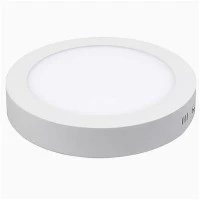
Recessed lighting: elegant, subtle illumination
Spotlights: Lighting for fireplaces and artwork
Adjustable reading lighting provide optimum comfort.
ideal location for outdoor lights
LED grow lights are crucial for indoor crops and houseplants.
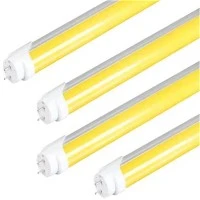
Sizes and Shapes of LED Bulbs The four basic types of LED bulbs are A-shaped, reflectors, ornamental, and speciality. An overview of each category is provided below:
LED bulbs in the form of a 'A' are popular for household illumination.
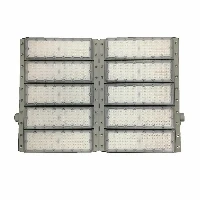
Reflectors: utilized as spotlights or floodlights for outdoor illumination
LED decorative bulbs: improve exposed-bulb installations like wall sconces and chandeliers.
Specialty LED bulbs: created for certain activities, including plant growth.
Between Watts and Lumens Understanding the difference between watts and lumens is crucial when replacing incandescent or halogen lights with LED bulbs. Lumens measure the quantity of light produced, whereas Watts represent the amount of energy used. With 75–100 lumens per watt, LED lights are six times more efficient than incandescent lamps. To get the equivalent LED bulb for an incandescent bulb, multiply its wattage by six. For instance, a 10-watt LED bulb might be used in lieu of a 60-watt incandescent light.
Given that the color quality of light is measured in Kelvin (K), LED lights provide a variety of tones. Consider using LED lights with a lower Kelvin value of 1000–4000K if you want to create a cozy and welcoming ambiance. These lights, which resemble amber, are perfect for spaces like bedrooms and living rooms. On the other hand, take into account LED lights with a higher Kelvin value over 7000K if you want clearer and cooler light for utility rooms, kitchens, and bathrooms. In certain locations, neutral-toned lights with a color temperature of 400–7000K may also be effective.