The lighting industry has undergone a revolution because to light-emitting diode (LED) technology, which provides unmatched energy efficiency, durability, and adaptability. LEDs are becoming the standard for contemporary lighting in everything from large industrial complexes to comfortable living spaces. This article examines the various uses of LED lights in both home and commercial contexts, emphasizing how they may revolutionize sustainability, usability, and beauty.
An Overview of LED Lighting
LEDs use semiconductors to transform power into light, maximizing efficiency and reducing heat loss. LEDs are available in a variety of colors and intensities, with a lifespan of up to 50,000 hours, and use 75% less energy than incandescent or fluorescent lights. These characteristics make them perfect for a variety of uses, ranging from functional job lighting to imaginative mood enhancement.
LED Light Applications in Residential Settings a. General Indoor Lighting
Because of their durability and affordability, LEDs have supplanted conventional light bulbs as the main source of illumination in houses. Typical applications include of:
Ceiling Fixtures: Chandeliers, flush mounts, and recessed LED downlights give living rooms, kitchens, and halls consistent lighting.
Ambient Lighting: Warm white (2700K–3000K) dimmable LED lights make dining rooms and bedrooms seem cozy.
Energy Savings: By replacing 60W or 100W incandescent light bulbs with LED counterparts, homeowners may save their power costs.
Lighting for Tasks
When clarity and accuracy are crucial in focused illumination applications, LEDs perform exceptionally well:
Under-Cabinet Lighting: Puck lights or slim LED strips light worktops for schoolwork, recipe reading, and cooking.
Desk and Reading lights: LED desk and reading lights with cool white tones (4000K to 5000K) that may be adjusted help to lessen eye strain.
Vanity Lighting: For cosmetics and grooming, shadow-free illumination is provided by LED mirrors with integrated lights.
Decorative and Accent Lighting
LEDs improve home design by highlighting artistic or architectural features:
Wall washers: LED spotlights or track lights draw attention to sculptures, paintings, or textured walls.
Cove Lighting: An indirect, ambient glow is produced by concealed LED strips running over shelves or ceilings.
Holiday Decorations: Christmas trees, windows, and gardens look festive with color-changing LED strings and icicle lights.
Landscape and Outdoor Lighting
LEDs improve security and curb attractiveness while withstanding inclement weather:
Pathway Lighting: Without the need for wire, solar-powered LED bollards illuminate paths.
Floodlights: Driveway illumination and deterrence are provided by motion-sensor LED lamps.
Accents for the garden: Waterproof LED lighting highlight flower beds, fountains, and trees.
Integration with Smart Homes
Modern smart houses rely heavily on LEDs since they provide personalization and connection.
Voice Control: Devices such as the Lutron Caséta or Philips Hue may be paired with Apple HomeKit, Google Assistant, or Alexa.
Changing the color temperature of LEDs to correspond with circadian cycles (warm tones at night, cold tones in the morning) is known as color tuning.
Automation: Program lights to dim or switch on/off in response to occupancy sensors or the time of day.
LED Lights' Commercial and Business Uses
Lighting for Retail and Display
LEDs are essential for drawing clients and displaying goods:
Display Cases: Jewelry, clothes, and food all seem colorful and realistic because to high-CRI (Color Rendering Index) LEDs.
Signage: Neon-style strips and LED channel lettering make striking retail signage.
Ambiance Creation: Different moods are evoked by tunable LEDs in cafés and stores (e.g., bright lighting for a gym, soft lighting for a pleasant café).
Lighting in Offices and Workspaces
LED lighting is a top priority for businesses looking to cut costs and increase productivity:
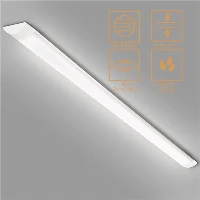
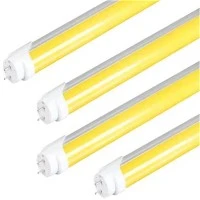
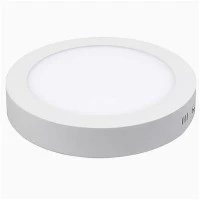
Panel lights: In open-plan offices, LED troffers or flat panels provide glare-free illumination in place of fluorescent tubes.
Task Lighting: Ergonomic workstations are supported by adjustable LED desk lighting that lessen screen glare.
Human-Centric Lighting (HCL): To increase concentration and lessen weariness, tunable LEDs simulate natural sunshine.
Entertainment and Hospitality
LEDs are used in theaters, restaurants, and hotels to provide unforgettable experiences:
Hotel Lobbies: Backlit reception desks or eye-catching LED chandeliers exude elegance.
Restaurant Mood Lighting: Warm-toned, dimmable LEDs improve the atmosphere while dining.
Stage Lighting: Dynamic color effects for events, theaters, and concerts are made possible with RGB LEDs.
Lighting for Warehouses and Industry
LEDs perform well in tough settings where dependability is essential:
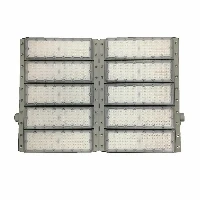
High-Bay Lights: Warehouses and factories are illuminated by LEDs with a high lumen output (15,000–50,000 lumens).
LEDs made for dangerous locations, such as chemical factories and oil refineries, are known as explosion-proof fixtures.
Cold Storage Lighting: LEDs work well in refrigerated warehouses and freezers.
Medical Facilities
LEDs are used in clinics and hospitals for accuracy and patient comfort:
Surgical Lights: During operations, surgeons are assisted with high-intensity, shadow-free LED lights.
Patient rooms: By synchronizing with circadian cycles, tunable LEDs aid with the healing process.
UV-C LEDs: Clean the air and surfaces in operating rooms and labs.
Architectural and Outdoor Lighting
LEDs are used by businesses to improve branding and safety:
Parking Lot Lighting: Motion-activated LED floodlights increase security and visibility.
Facade Lighting: RGB LEDs draw attention to company branding or building design.
Billboards: Dynamic ads are shown on energy-efficient LED screens.
4. Advantages of LED Lighting for Residences and Commercial Spaces
Energy Efficiency: Compared to incandescent lights, LEDs may save up to 80% on energy use.
Longevity: Lower maintenance expenses result from fewer replacements.
Eco-Friendliness: Unlike fluorescents, there is no mercury or hazardous substance.
Design Flexibility: Creative installations are made possible by directed lighting and small size.
Savings include reduced energy costs and tax breaks (such as refunds for DLC certification).
5. Upcoming Developments in LED Uses
Li-Fi Technology: High-speed data transfer via LED light waves.
Organic LEDs (OLEDs): Flexible, very thin panels for curved walls and displays.
IoT Integration: Sensor-synchronized LEDs for smart cities and flexible work environments.
6. Final thoughts
LED lights are now essential parts of contemporary life and business, going beyond their initial use as light sources. They increase security, comfort, and beauty in homes, while companies use their versatility and efficiency to boost operations and customer satisfaction. LEDs will continue to develop as technology progresses, providing more intelligent, environmentally friendly, and customized lighting options. LEDs demonstrate that the future of lighting is bright, effective, and incredibly adaptable, whether they are used to illuminate a skyscraper or a kitchen counter.