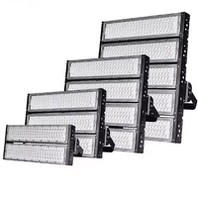
HPS grow lights have long been recognized as the best choice for producing large yields. Nevertheless, as LED technology develops, HPS is losing ground and is no longer the dominant technology.
While some lights survive up to 15 years, many farmers are increasingly aware that LED is the best option in terms of energy savings, environmental concerns, and lifespan. Nonetheless, many growers are still dubious about the ability of LED grow lights to match HPS output.
This is a misunderstanding, but it's not a startling one. Because of its extreme intensity, HPS has traditionally been a strong grow light choice. New and sophisticated LED lights, however, not only provide the same amount of light intensity, but they also have a variety of advantages that provide farmers more control than ever over their production. Nowadays, the average yield of LED grow lights is 1-1.5 grams/watt, compared to HPS grow lights'.5 grams/watt.
Why?
What Functions Do LED Lights Perform Differently From HPS?
We appreciate you asking.
Light Spectrum Management
The spectrum of HPS grow lights has a tendency to be heavier on red/yellow light. This has benefits, particularly as red light promotes blooming. The drawback is that plants often flourish under a light spectrum that changes during the growing cycle. As beneficial for blooming as red light is, vegetation needs a larger proportion of blue to avoid stretching (an HPS side effect), so you may have robust, healthy plants that can sustain huge harvests.
Because of this, spectrum variables Increased yields may be accomplished with the use of LED grow lights. These lights provide you complete control over the light spectrum at every stage of development, from promoting strong vegetation to promoting blooming.
Eventually, it has been shown that LED grow lights hasten blooming. You already know what it entails: quicker and more frequent growth cycles, which result in larger yields.
Continual Intensity of Light
As HPS grow lights age, their quality gradually deteriorates, making them somewhat less able to provide your plants with the light they need to increase their yields. You normally need to replace your HPS bulbs every 12 months or so to maintain your yields.
On the other hand, high-quality LED lights may last up to 15 years without significantly losing brightness.
Less Heat Is Produced by LED Grow Lights
Plants struggle in heat. High temperatures inhibit blooming and slow down development.
LED lights produce far less heat and have little to no impact on your attempts to establish the ideal environment for great yields compared to HPS lights, which press down on your plants with intense heat.
Of course, if you've ever grown under HPS, you probably already have a system in place for extra cooling. In order to prevent your plants from being harmed by the heat, you have probably already established the appropriate height for your HPS lights. Yet, achieving the optimal environment for your crop no longer requires complex calculations thanks to the reduced temperature of LED lights. For increased light intensity without the danger of heat damage, you may also reduce part of the space between your plants and LED grow lights.
The greatest option if you want larger yields is to use high-quality LED grow lights.
In particular, spectrum-variable LED lights provide complete control over every stage of development. Check out California LightWorks' SolarSystem® 1100 UVB, which we highly recommend. This LED grow light, which Ezvid Wiki deemed the best LED grow lamp, also has UVB illumination to ensure optimum production during the last two weeks of blooming.
We are always here to assist you in finding the ideal lighting for your highest yields, no matter where you begin your search. Contact us whenever you need assistance or have questions.