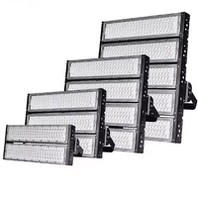
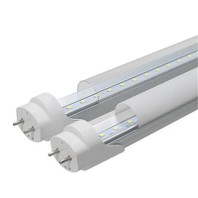
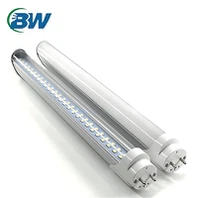
All LED light sources need an LED driver. However, it’s not a matter of whether or not you need them, but when you should or should not buy a separate one. Some LED lights already have a driver integrated within the bulb, mainly those that you use inside your home (E26/E27 or GU24/GU10 bases that run on a 120V current).
However, low voltage LEDs like tape lights and some fixtures like under cabinet lights, plinth lights, and panel lights need a separate LED driver. If you happen to have a low voltage LED that suddenly stops working long before the end of its average lifespan, replacing the driver may save them!
When connecting LEDs to the driver, you cannot simply link as many lights as you want. You need to check the maximum load your driver can carry and ensure that you don’t go over it. If you do, chances are, your lights and driver will be ruined. So, to know how many lights per driver, divide the maximum output voltage of the driver by the forward voltage of the LEDs.
For example, you have a 15w 12Vdc LED driver, and your under-cabinet LED lights are 5w each. If you divide 15w by 5w, you’ll get three, meaning the number of 5w under cabinet lights that you can use is three! Just remember, it’s better that your lights are below the maximum power load instead of going over it.