EVG, KVG, and VVG: What Are the Differences for LED Tubes?
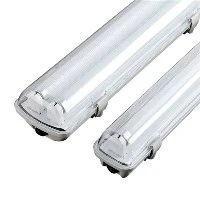
Replacing fluorescent lamps with LED tubes is not always as simple as removing the old lamp and installing a new one. The ballast inside the luminaire plays a major role in determining whether an LED tube will operate correctly.
In European lighting terminology, the most common ballast categories are:
KVG: Conventional magnetic ballast
VVG: Low-loss magnetic ballast
EVG: Electronic ballast
Each ballast type uses a different operating method. As a result, an LED tube designed for a KVG or VVG system may not work with an EVG, while a direct-mains LED tube may require the ballast to be removed or bypassed.
Selecting the correct product requires more than matching the tube length, wattage, and socket type. You should also verify the ballast model, wiring method, starter configuration, electrical ratings, and manufacturer compatibility list.
Quick answer: KVG and VVG are magnetic ballasts, while EVG is electronic. Some LED tubes work with existing ballasts, some require a ballast bypass, and universal models may support multiple configurations. Always follow the product's wiring instructions and have mains-voltage work completed by qualified personnel.
If you are unsure which type of ballast is installed, please contact benweilight before placing a bulk order.

What Is a KVG Ballast?
KVG stands for konventionelles Vorschaltgerät, or conventional ballast. It is a traditional magnetic ballast commonly used with fluorescent lamps.
A KVG contains an inductive coil that limits the current flowing through the fluorescent lamp. Because fluorescent lamps require assistance during startup, KVG systems generally use a separate starter. The ballast and starter work together to initiate and regulate lamp operation.
Typical characteristics of KVG ballasts
Magnetic operating technology
Mains-frequency operation
Separate starter commonly required
Higher energy losses than newer ballast technologies
Possible audible humming
Possible visible flicker, depending on the system and supply
Long service history but increasing age in many installations
KVG systems were widely used in offices, schools, warehouses, retail spaces, and industrial buildings. Many existing luminaires still contain them, especially in older installations.
KVG ballast LED tube compatibility
A KVG can often be used with an LED tube, but only if the tube is specifically approved for magnetic-ballast operation. These products may be described as:
KVG-compatible LED tubes
EM-compatible LED tubes
LED tubes for magnetic ballasts
Retrofit LED tubes
Some KVG-compatible LED tubes require the fluorescent starter to be replaced with an LED-compatible starter or dummy starter. This replacement prevents the original starter circuit from attempting to operate as it would with a fluorescent lamp.
Another option is to bypass or remove the ballast. With this configuration, the LED tube is connected directly to the mains supply according to the manufacturer's wiring diagram. A ballast-bypass installation can reduce ballast losses and eliminate dependence on an aging component, but it changes the luminaire's electrical circuit.
When is a KVG retrofit suitable?
A KVG-compatible LED tube may be suitable when:
The existing luminaire is mechanically sound.
The ballast is in good condition.
Minimal installation downtime is important.
The LED tube is explicitly approved for the ballast.
The correct starter is supplied or specified.
Local electrical requirements permit the selected method.
A ballast bypass or complete luminaire replacement may be more appropriate when the KVG is noisy, overheating, damaged, or inefficient. It may also be preferable when the facility wants to standardize its wiring and remove old controlgear from the maintenance program.
For safety requirements, consult the applicable iec.ch and local electrical installation regulations.
What Is a VVG Ballast?
VVG stands for verlustarmes Vorschaltgerät, commonly translated as low-loss ballast. Like a KVG, a VVG is a magnetic ballast that limits lamp current through an inductive coil. The main difference is that the VVG is designed to have lower energy losses than a conventional KVG.
Both ballast types may use a separate starter and operate at mains frequency. However, their internal design and efficiency characteristics differ.
VVG compared with KVG
| Characteristic | KVG |
VVG |
|---|---|---|
| Technology | Conventional magnetic | Low-loss magnetic |
| Starter | Commonly required | Commonly required |
| Ballast losses | Relatively high | Lower than KVG |
| Possible noise | Yes | Yes |
| LED compatibility | Model-dependent | Model-dependent |
| Typical application | Older fluorescent systems | More efficient magnetic systems |
The difference between KVG and VVG does not automatically determine which LED tube should be used. Compatibility depends on the specific tube design and the ballast model.
VVG LED tube compatibility
When a VVG is retained, the LED tube must be approved for operation with that type of magnetic ballast. It is good practice to verify the exact ballast manufacturer and model rather than relying only on the general label "VVG."
Before ordering LED tubes, record:
Ballast manufacturer and model
Original fluorescent lamp wattage
Tube length and diameter
Socket type
Starter type
Supply voltage
LED tube operating method
Manufacturer's compatibility information
A VVG generally wastes less energy than a conventional KVG, but retaining any old ballast may still create additional system losses and future maintenance requirements. For this reason, the best financial decision should be based on total lifecycle cost rather than the LED tube's purchase price alone.
A suitable comparison should include:
LED tube cost
Installation labor
Ballast energy consumption
Future ballast replacement
Maintenance access and downtime
Expected service life
Disposal and recycling costs
For a small retrofit, using a compatible LED tube may minimize disruption. For a large facility with many aging luminaires, bypassing the ballast or replacing the entire luminaire may provide a more consistent long-term solution.
What Is an EVG Ballast?
EVG stands for elektronisches Vorschaltgerät, or electronic ballast. Unlike KVG and VVG, an EVG uses electronic circuits to control the lamp current.
An EVG typically operates fluorescent lamps at a higher frequency than the mains supply. It may also integrate starting, current regulation, and protection functions into one electronic unit. A separate conventional starter is usually not required.
Typical characteristics of EVG ballasts
Electronic operating technology
High-frequency lamp operation
Usually no separate fluorescent starter
Lower ballast losses than many magnetic systems
Generally reduced audible noise
Potentially reduced visible flicker
Compatibility that varies significantly between ballast models
EVG systems can offer good performance, but they may be more complicated to retrofit with LED tubes. Electronic ballasts differ in their output circuits, operating frequencies, startup behavior, and control methods.
EVG ballast LED tube compatibility
An LED tube designed for a magnetic ballast should not automatically be connected to an EVG. Likewise, a direct-mains LED tube should not normally be installed while an active EVG remains in the circuit unless the product specifically supports that configuration.
LED tubes used in EVG systems generally fall into three categories:
HF-compatible LED tubes
These are designed to operate with approved electronic ballast models.
Ballast-bypass LED tubes
These require the EVG to be removed, disconnected, or bypassed so the tube receives mains power directly.
Universal LED tubes
These may support more than one operating mode, but the exact wiring method and approved ballast list must still be checked.
A statement such as "compatible with electronic ballasts" is not always sufficient. Some tubes may work with selected EVG models but not with others. The exact ballast model should be checked against the LED manufacturer's compatibility documentation.
EVG compatibility checklist
Before selecting an LED tube for an EVG system, verify:
EVG manufacturer and model
LED tube compatibility list
Operating frequency
Lamp length and rated power
Wiring arrangement
Dimming compatibility
Emergency-lighting compatibility
Ambient temperature limits
Required certifications
Installation and commissioning requirements
Testing one sample fixture before a large-scale purchase is strongly recommended. A tube that starts correctly on one EVG may fail, flicker, or produce reduced light output on another model.
EVG, KVG, and VVG Compared
The following table summarizes the main differences between the three ballast types:
| Factor | KVG | VVG |
EVG |
|---|---|---|---|
| Ballast technology | Magnetic | Magnetic | Electronic |
| Typical frequency | Mains frequency | Mains frequency | Higher operating frequency |
| Separate starter | Usually required | Usually required | Usually not required |
| Ballast losses | Relatively high | Lower than KVG | Generally low |
| Audible noise | Possible | Possible | Usually low |
| Flicker risk | May be higher | May be higher | Generally reduced when correctly operated |
| LED tube compatibility | Magnetic-compatible tube | VVG-compatible tube | HF-compatible tube or bypass |
| Retrofit complexity | Low to moderate | Low to moderate | Moderate to high |
| Main concern | Age and energy loss | Exact compatibility | Model-specific compatibility |
There is no universal best ballast-retrofit method. The correct choice depends on the existing installation and project priorities.
A facility focused on minimizing labor may choose an approved ballast-compatible tube. A facility focused on reducing future maintenance may prefer ballast bypass. A facility with damaged or obsolete luminaires may achieve better results by installing complete LED fixtures.
For additional info please refer energystar.gov, compare measured before-and-after system input power. Visual comfort should also be assessed using recognized standards.ieee.org.

How to Choose the Right LED Tube
The safest selection process begins with identifying the existing ballast rather than choosing a tube based only on physical dimensions.
Step 1: Inspect the ballast
Turn off and isolate the power before opening the luminaire. A qualified person should inspect the ballast label and record:
Manufacturer
Model number
Rated wattage
Input voltage
Wiring information
Ballast category
Photographing the label can help avoid ordering errors.
Step 2: Record the existing lamp details
Document the fluorescent tube's:
Length
Diameter
Wattage
Base type
Color temperature
Application
Number of lamps per fixture
Also inspect the lamp holders, wiring, grounding, and overall condition of the luminaire.
Step 3: Select the operating method
Decide whether the project will use:
A KVG or VVG-compatible LED tube
An EVG-compatible LED tube
A direct-mains ballast-bypass tube
A complete LED luminaire
Do not mix installation methods without clear documentation. A facility may contain multiple ballast types, so different fixtures may require different solutions.
Step 4: Check the datasheet
Important specifications include:
Rated input voltage
Input current
Power factor
Total harmonic distortion
Lumen output
Color rendering
Color temperature
Beam distribution
Operating temperature
Dimming compatibility
Emergency-lighting compatibility
Ballast compatibility
Warranty conditions
Step 5: Test a sample
Before purchasing in bulk, install a sample tube in a representative fixture. Check:
Startup behavior
Flicker
Light output
Noise
Fixture temperature
Power consumption
Compatibility with sensors or controls
Emergency operation, if applicable
The sample should be monitored under normal operating conditions rather than tested only briefly.
Common Retrofit Mistakes
Many LED tube problems occur because the existing ballast is ignored. Common mistakes include:
Assuming every LED tube works with every ballast
Installing a magnetic-ballast tube on an EVG
Leaving an incompatible EVG in the circuit
Using the wrong starter
Bypassing a ballast without following the wiring diagram
Comparing only the LED tube wattage
Ignoring emergency or dimming systems
Failing to inspect old sockets and wiring
Mixing ballast-compatible and direct-mains tubes
Neglecting local electrical requirements
Typical symptoms and possible causes include:
| Symptom | Possible cause |
Recommended check |
|---|---|---|
| Tube does not start | Incompatible ballast or wiring | Confirm ballast model and wiring |
| Flickering | Compatibility issue, loose connection, or product fault | Test the approved configuration |
| Excessive heat | Enclosed fixture or unsuitable operating conditions | Check temperature and fixture ratings |
| Circuit breaker trips | Wiring error or damaged component | Isolate power and arrange inspection |
| Low light output | Incorrect operating mode or optical obstruction | Verify installation and luminaire condition |
Ballast bypass work changes the mains circuit and should be completed by qualified electrical personnel where required. The final installation should be labeled clearly so that future maintenance staff understand the wiring method.
https://www.benweilight.com/search/EVG.html

Frequently Asked Questions
Can an LED tube work with a KVG?
Yes, if it is specifically approved for magnetic-ballast operation. The correct starter or wiring configuration may also be required.
Can an LED tube work with a VVG?
Some LED tubes are compatible with VVG systems, but exact compatibility must be confirmed from the manufacturer's documentation.
Can every LED tube work with an EVG?
No. EVG compatibility varies by ballast model. The LED tube must be approved for the specific electronic ballast or the ballast must be bypassed according to the instructions.
Is VVG better than KVG?
VVG generally has lower ballast losses than KVG. However, the best retrofit choice depends on compatibility, installation cost, ballast condition, and long-term maintenance.
Do all LED tubes require ballast removal?
No. Some tubes are designed for magnetic or electronic ballasts. Others require direct mains operation. The product datasheet determines the correct method.
When should the complete luminaire be replaced?
A complete replacement may be preferable when the ballast is damaged or obsolete, the fixture has poor optical performance, the wiring is unsafe, or the facility wants a standardized long-term solution.
Conclusion
KVG, VVG, and EVG represent different ballast technologies, and each requires a specific LED tube strategy.
KVG: Conventional magnetic ballast with relatively high losses
VVG: Low-loss magnetic ballast with improved efficiency
EVG: Electronic ballast with high-frequency operation and model-specific compatibility
Before selecting an LED tube, identify the ballast, review the manufacturer's compatibility list, choose the correct wiring method, and test a representative fixture. Evaluate the complete system-not just the tube price or nominal wattage.
Depending on the project, the best solution may be a ballast-compatible retrofit, a correctly executed ballast bypass, or a complete LED luminaire replacement. A careful compatibility assessment can reduce flicker, startup failures, overheating, maintenance costs, and safety risks while improving long-term energy performance.