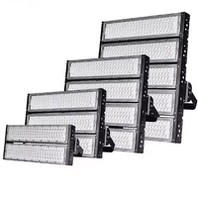
Floodlights Unleashed: How These Bright Beasts Light Up Nights
As the sun dips below the horizon and darkness creeps in, most creatures retreat to the comfort of enclosed spaces, their world shrinking to the reach of a porch light or a bedside lamp. But for humans, nightfall no longer signals the end of activity-thanks to one humble yet mighty invention: the floodlight. These "bright beasts" of illumination have transcended their utilitarian roots to become enablers of adventure, productivity, and wonder, turning the darkest nights into vibrant landscapes of possibility. From stadiums roaring with fans to backyards transformed into starlit gathering spots, and even remote trails where explorers chase sunsets into midnight, floodlights have rewritten the rules of what we can do after dark.
The story of floodlights begins not with electricity, but with fire. Ancient civilizations used torches and bonfires to extend their days, casting flickering light over campsites and ceremonies. But these primitive "floodlights" were inefficient, smoky, and limited-more mood setters than functional tools. The industrial revolution changed everything. In the late 19th century, arc lamps emerged, using electric currents to create bright, sustained light. By the early 20th century, these bulky devices found their way into sports stadiums, allowing baseball games and football matches to continue after sunset for the first time. Yet, these early floodlights were far from perfect. They consumed enormous amounts of energy, generated blistering heat, and produced inconsistent light that left shadows lurking in corners. Enter the incandescent and halogen eras: brighter, more reliable, but still plagued by inefficiency. A 1000-watt halogen floodlight might last only 2,000 hours and waste most of its energy as heat, making it costly to operate and cumbersome to maintain. Then came a revolution: LED technology. Over the past two decades, LED floodlights have redefined what's possible. Today's LED floodlights deliver the same brightness as their halogen predecessors while using 70-80% less energy. A 300-watt LED floodlight can match the output of a 1000-watt halogen, lasting up to 50,000 hours-25 times longer. This leap in efficiency hasn't just reduced utility bills; it's freed floodlights from being tethered to constant power sources, opening doors to portable, solar-powered models that thrive in remote locations. Modern floodlights are also smarter. Many now feature dimming capabilities, motion sensors, and even Bluetooth connectivity, allowing users to adjust brightness or set schedules from their phones. Weather-resistant designs with IP65 or higher ratings mean they can withstand rain, snow, and dust, making them as tough as they are bright. These advancements haven't just improved functionality-they've turned floodlights into versatile tools for adventure.


For sports fans, floodlights are nothing short of magical. They turn stadiums into beacons, transforming dark evenings into arenas where heroes are made. Imagine a Friday night football game: the field glows under rows of towering floodlights, their beams cutting through the darkness to reveal every tackle, pass, and touchdown. Without floodlights, such moments would be confined to daylight hours, limiting access and excitement. But it's not just about visibility. Modern sports floodlights are engineered to meet strict standards, ensuring consistent light levels across the entire playing surface. For televised events, this is critical-cameras require uniform illumination to capture crisp, high-definition footage without glare or shadows. The best stadium floodlights can reach up to 20,000 lux (a unit of light intensity), creating a "daylight-like" environment that allows players to perform at their best and fans to follow every play. Tennis is another sport where floodlights shine-literally. Grass courts, in particular, demand precise lighting to avoid glare on the green surface. Top tournaments like Wimbledon use floodlights with carefully calibrated beam angles to ensure the ball remains visible to players and spectators alike, even as the sun sets. These lights don't just extend matches; they add drama, turning evening sessions into unforgettable experiences under the stars. Beyond professional sports, floodlights have democratized nighttime play for amateurs. Local parks, community fields, and backyard courts now feature affordable LED floodlights, letting kids practice soccer until dusk or families enjoy weekend barbecues followed by a game of basketball. In this way, floodlights foster connection, keeping communities active long after the sun goes down.
For outdoor enthusiasts, the end of daylight used to mean the end of adventure. Hikers would rush to set up camp before sunset; campers would huddle around small lanterns, their activities limited to the glow of a campfire. But with portable floodlights, the night becomes a playground. Take backcountry camping, for example. A compact, rechargeable LED floodlight can illuminate an entire campsite, turning pitch-black woods into a well-lit basecamp. Suddenly, cooking dinner, setting up tents, or playing games isn't a race against darkness. It's a chance to extend the day's adventures, whether that means exploring a nearby trail by night, stargazing with friends, or telling stories around a campfire without squinting to see each other's faces. Floodlights also enhance safety in the outdoors. A sudden storm that delays a hike until evening? A powerful floodlight can light the path back to camp, revealing rocks, roots, and uneven terrain that would otherwise pose risks. For climbers tackling night ascents or kayakers navigating rivers after dark, floodlights act as lifelines, cutting through darkness to highlight hazards and safe routes. One avid camper, Sarah Lopez, recalls a trip to Utah's Canyonlands National Park where her group relied on a solar-powered floodlight after their original campsite was unexpectedly occupied. "We had to set up camp in a remote spot with no nearby facilities," she says. "Our floodlight lit up the entire area-we could cook, set up tents, and even spot constellations we'd missed earlier because the light pollution was so low. It turned a stressful situation into one of the most memorable nights of the trip." Floodlights have also transformed nighttime photography and wildlife observation. Nature photographers use them to capture stunning shots of nocturnal animals or landscapes bathed in moonlight, while birdwatchers rely on them to spot owls and nightjars in action. With adjustable brightness and color temperatures, modern floodlights can mimic natural light, avoiding harsh glares that might disturb wildlife.
While floodlights excel in grand spectacles and outdoor adventures, their most impactful role might be in everyday life. They're the unsung heroes of construction sites, where workers often log long hours to meet deadlines. A construction crew building a new highway bridge, for instance, depends on floodlights to keep the site illuminated from dusk till dawn, ensuring safety and productivity. LED floodlights here are a game-changer-their low heat output reduces fire risks, and their durability means they can withstand the vibrations and debris of heavy machinery. Parking lots and security are another key domain. A well-lit parking garage or lot is a safer space, deterring crime and making users feel more secure. Motion-sensing floodlights add an extra layer of protection; they spring to life when someone approaches, startling intruders and alerting property owners. For businesses, this isn't just about safety-it's about customer confidence. Shoppers are more likely to visit stores with well-lit parking areas, knowing they can navigate safely after dark. Floodlights also play a role in agriculture. Farmers use them to extend growing seasons in greenhouses, providing plants with the light they need to thrive even during short winter days. In livestock operations, floodlights help monitor animals at night, ensuring their health and safety. Some farmers even use colored floodlights-red, for example-to calm livestock, reducing stress and improving overall welfare. Homeowners have embraced floodlights too, using them to highlight landscaping, illuminate driveways, or create outdoor living spaces that rival indoor rooms. A patio equipped with dimmable floodlights can transform from a daytime dining spot to a cozy evening lounge, perfect for entertaining or relaxing under the stars. With smart floodlights, homeowners can even sync lighting with music or set timers, creating ambiance that shifts with the occasion.
With so many options on the market, selecting the perfect floodlight can feel overwhelming, but understanding key factors simplifies the process. Brightness, measured in lumens, determines how much area a floodlight can cover. For backyard use, 1000-3000 lumens is typically sufficient, while large spaces like sports fields or remote campsites may require 5000 lumens or more. It's important to balance brightness with battery life for portable models, as higher lumens demand more power. The power source is another critical consideration: wired floodlights are ideal for permanent installations like stadiums or parking lots, offering consistent power, while battery-powered or solar models excel in portability. Solar floodlights are particularly valuable for off-grid adventures, harnessing sunlight during the day to provide hours of light at night. Durability is non-negotiable for outdoor use, so look for an IP rating of at least IP65, which ensures dust-tight protection and resistance to low-pressure water jets. For extreme conditions like heavy rain or snow, opt for IP66 or higher. Features like motion sensors enhance security by activating only when needed, while dimming controls allow for customized brightness, saving energy and creating ambiance. Portable models should be lightweight with handles or mounting options for versatility. Color temperature, measured in Kelvin (K), shapes the light's tone: warm white (2700-3000K) creates a cozy, yellowish glow perfect for patios or campsites, while cool white (5000-6500K) offers brighter, more energizing light ideal for workspaces or sports fields where clarity is key. By considering these factors, you can choose a floodlight that fits your lifestyle, whether you're a weekend camper, a sports enthusiast, or a homeowner looking to enhance safety and ambiance.
As technology advances, floodlights are poised to become even more integral to our lives. One emerging trend is solar integration. Modern solar floodlights can store enough energy during the day to provide hours of bright light at night, making them ideal for remote locations or areas with limited access to electricity. Some models even include USB ports, allowing users to charge phones or other devices-critical for adventurers off the grid. Smart floodlights are also on the rise. Imagine controlling your outdoor floodlights with voice commands or a smartphone app, adjusting brightness based on the time of day or turning them on remotely to greet you when you arrive home. Integration with home security systems is another frontier; floodlights can work with cameras and alarms, triggering recordings or alerts when motion is detected. Sustainability is a key focus too. Manufacturers are developing floodlights with recyclable materials and longer lifespans, reducing waste. Some models use heat-dissipating designs that improve efficiency, while others incorporate sensors to minimize energy use by only activating when needed. These innovations aren't just good for the planet-they're good for users, cutting costs and reducing maintenance. Perhaps most exciting is the potential for floodlights to enhance our connection with nature. Low-glare, warm-white floodlights can illuminate outdoor spaces without disrupting wildlife, allowing us to enjoy gardens, forests, and parks at night while respecting the natural world. In urban areas, smart floodlights could reduce light pollution by dimming when not in use, making stargazing possible even in cities.
Floodlights have come a long way from their humble beginnings as industrial workhorses. Today, they're tools of adventure, enablers of community, and enhancers of everyday life. They turn dark stadiums into stages for glory, remote campsites into safe havens, and backyards into extensions of our homes. With their power to illuminate, protect, and inspire, floodlights have unlocked the night, showing us that darkness doesn't have to be a barrier to activity, connection, or exploration. Whether you're a sports fan cheering under stadium lights, a camper exploring trails after sunset, or a homeowner enjoying a quiet evening on the patio, floodlights are there-quietly, brightly-making it all possible. They remind us that the night is full of potential, waiting to be lit up. So the next time you switch on a floodlight, take a moment to appreciate it. It's more than a bulb in a housing; it's a key to adventure, a guardian of safety, and a creator of moments that last long after the sun sets. With floodlights in hand, the night is no longer an end-it's a beginning. And who knows where that light might lead you?