Here's a detailed comparison of halogen, LED, and incandescent lighting – covering efficiency, cost, safety, light quality, and environmental impact:
1, Core Differences Summary
| Feature | Incandescent | Halogen | LED |
|---|---|---|---|
| How It Works | Heats tungsten filament | Improved incandescent (halogen gas cycle) | Electroluminescence (diodes) |
| Efficiency | Very low (5-10 lm/W) | Low (12-18 lm/W) | High (80-150 lm/W) |
| Lifespan | 1,000 hours | 2,000-4,000 hours | 25,000-50,000 hours |
| Energy Cost (10k hrs) | $120-$150 | $80-$100 | $15-$25 |
| Heat Output | Extreme (90% waste) | Very High (80% waste) | Low (10-20% waste) |
| Blue Light Risk | Minimal (RG0) | Minimal (RG0) | Varies (RG0-RG3) |
| Cost per Bulb | $1-$2 | $2-$5 | $3-$15 (pays back fast) |
2, Deep Dive: Key Comparisons
Energy Efficiency & Cost
Incandescent: Wastes 95% energy as heat – phased out globally (banned in EU/US/CN since 2010s).
Halogen: 30% more efficient than incandescent but still banned in many regions (e.g., EU since 2018).
LED: Uses ≈85% less energy than incandescent. *Saves $100+ per bulb over its lifespan*.
Light Quality
Color Rendering Index (CRI):
Incandescent/Halogen: Perfect CRI=100 (natural warm light).
LED: CRI 80-95+ (choose ≥90 for accurate colors).
Color Temperature:
Incandescent/Halogen: 2700K (warm white).
LED: Adjustable (2200K-6500K – pick 2700K-3000K for "incandescent-like" warmth).
Safety & Health
Heat Hazard: Halogen/incandescent reach 200-250°C (burn/fire risk). LEDs stay cool.
Blue Light:
Incandescent/Halogen: Almost zero blue light risk (safe RG0).
LED: Check RG0 certification (essential for desk/children's lamps). Avoid cheap LEDs with high blue peaks.
Durability & Use Cases
Incandescent: Fragile (glass/vibration-sensitive). Only for decorative use today.
Halogen: Sensitive to oils (skin contact causes premature failure). Used in spotlights/oven lights.
LED: Shock-resistant, instant on/off, works in cold temps (–20°C). Ideal for all applications.
Environmental Impact
CO2 Emissions (for 50k hrs use):
Incandescent: ≈600 kg → Halogen: ≈400 kg → LED: ≈100 kg.
Toxicity: LEDs contain trace electronics but no mercury (unlike CFLs).
3, What to Buy in 2024?
Avoid: Incandescent and halogen (banned/wasteful).
Choose LED for:
Home/Office: Look for 2700K-3000K + CRI≥90 + RG0 (e.g., Philips WarmGlow, Cree TW Series).
Task Lighting: RG0-certified LEDs with >500 lux (e.g., BenQ e-Reading).
Outdoors/Industrial: High-lumen LEDs (IP65 waterproof rated).
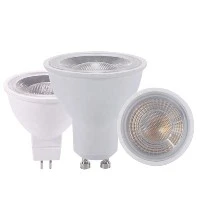
Only use halogen if: You need oven lights or dimmable GU10 spots (until LED replacements exist).
4,Pro Tips
Dimming: LEDs work with dimmable drivers – match bulbs to dimmer switches.
Flicker: Cheap LEDs flicker (causes eye strain). Choose "flicker-free" models.
Smart Lighting: LEDs enable color tuning/scheduling (e.g., Hue, Lifx).
Bottom Line: LED is the future – superior efficiency, longevity, and versatility. Invest in quality LEDs (prioritize RG0/CRI90) for health and savings. Avoid halogens/incandescents except in niche cases. you can see more RGO , CRI 95 LED Lamp on https://www.benweilight.com/ceiling-lighting/square-led-panel/led-panel-cri-95-120x30.html