Downlights Demystified: How These Tiny Fixtures Transform Your Space
In the realm of home design and lighting, few fixtures have quietly revolutionized our living spaces as much as downlights. Often overlooked in favor of statement chandeliers or trendy pendant lights, these compact, recessed lighting solutions have become indispensable in modern interiors. But what exactly makes downlights so transformative? Why have they evolved from niche choices to mainstream must-haves? This article aims to demystify downlights, exploring their history, technology, versatility, and the countless ways they can elevate any space-proving once and for all that they're more than just tiny fixtures; they're total game-changers.
To truly appreciate the impact of downlights, we must first understand their origins. The concept of recessed lighting dates back centuries, with early examples found in ancient civilizations where torches or oil lamps were placed in wall niches to cast light downward. However, the modern downlight as we know it emerged in the mid-20th century, driven by advancements in electrical engineering and a shift toward minimalist design. Post-WWII architecture embraced clean lines and functional spaces, and recessed lighting fit perfectly, offering illumination without cluttering the visual landscape. Early downlights were often bulky, using incandescent bulbs that generated excessive heat and consumed significant energy. But as technology progressed, especially with the rise of LED technology in the 21st century, downlights underwent a dramatic transformation-becoming sleeker, more efficient, and infinitely more versatile.
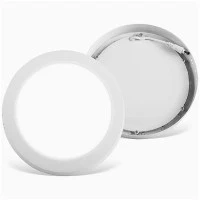
At their core, downlights are recessed lighting fixtures installed into ceilings (or occasionally walls) such that their trim is flush or nearly flush with the surface, directing light downward into the space below. This design not only saves visual space but also creates a focused, unobtrusive light source that can be tailored to specific needs. The anatomy of a downlight is surprisingly complex, consisting of several key components: the housing (the structural part that fits into the ceiling cavity), the trim (the visible part that covers the housing and shapes the light), the socket or LED module (the light source), and often a reflector or lens to control light distribution. These components work in harmony to determine the fixture's brightness, color temperature, beam angle, and energy efficiency-all critical factors in how the downlight transforms a room.
One of the most significant advancements in downlight technology has been the shift from traditional incandescent and halogen bulbs to LED (light-emitting diode) technology. LEDs have revolutionized downlights for several reasons. First, they are far more energy-efficient: an LED downlight consumes up to 80% less energy than a halogen equivalent, significantly reducing electricity bills over time. Second, LEDs have a much longer lifespan-often 25,000 to 50,000 hours compared to 1,000 to 2,000 hours for incandescents-meaning fewer replacements and less maintenance. Third, LED technology allows for precise control over color temperature, ranging from warm white (2700K–3000K) to cool white (4000K–6500K), enabling homeowners to create specific moods in different rooms. Finally, modern LEDs produce little to no heat, reducing fire risks and making them safer for installation in insulated ceilings or near combustible materials. This shift to LEDs alone has made downlights a far more attractive and practical choice for contemporary homes.
But downlights are not a one-size-fits-all solution, and understanding the different types available is key to unlocking their transformative potential. The first major distinction is between fixed and adjustable downlights. Fixed downlights have a stationary beam angle, typically between 25° and 60°, making them ideal for general lighting in spaces like living rooms or hallways where uniform illumination is needed. Adjustable (or tiltable) downlights, on the other hand, allow the light source to be angled up to 35° or more, making them perfect for accent lighting-highlighting artwork, architectural features, or decorative elements in a room. This flexibility means that a single type of fixture can serve multiple purposes, from brightening a workspace to drawing attention to a favorite painting.


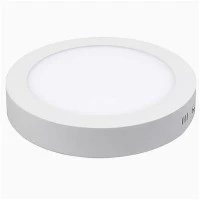
Another important is based on installation type: recessed, surface-mounted, and semi-recessed. Recessed downlights are the most common, requiring a ceiling cavity to house the fixture, resulting in a seamless, integrated look. They are ideal for new construction or major renovations where ceiling access is possible. Surface-mounted downlights, by contrast, attach directly to the ceiling surface without needing a cavity, making them a great option for retrofits or ceilings with limited depth (such as concrete or low ceilings). Semi-recessed downlights combine elements of both, with part of the fixture recessed and part protruding, offering a middle ground in terms of aesthetics and installation ease.
Beam angle is another critical factor that determines how a downlight transforms a space. Narrow beam angles (15°–25°) create intense, focused light-perfect for accenting specific objects. Medium beam angles (30°–45°) balance focus and spread, suitable for task lighting in kitchens or home offices. Wide beam angles (50°–120°) cast a broad, diffused light, ideal for general illumination in living rooms or bedrooms. By strategically mixing beam angles, homeowners can create layers of light that add depth and dimension to a room, avoiding the flat, harsh lighting that often results from relying on a single overhead fixture.
The impact of downlights on different spaces within the home is profound, and understanding how to leverage them in each area is key to maximizing their potential. Let's start with the kitchen-a space where functionality and visibility are paramount. In kitchens, downlights are often installed in a grid pattern above countertops, islands, and workspaces, using medium beam angles (30°–45°) to ensure bright, even illumination for chopping, cooking, and cleaning. Under-cabinet downlights, a popular subset, are installed beneath upper cabinets to light counter surfaces without casting shadows, making food preparation safer and more efficient. Additionally, adjustable downlights can be angled to highlight backsplashes or decorative open shelving, adding visual interest to a hardworking space. Warm white (3000K) is often preferred in kitchens, as it enhances the natural colors of food and creates a welcoming atmosphere, though cooler whites (4000K) may be used in more modern, minimalist kitchens for a crisp, clean look.

In living rooms, downlights take on a more versatile role, balancing general illumination with mood setting. A combination of wide beam angle downlights for overall brightness and adjustable narrow beam downlights to accent artwork, bookshelves, or fireplace mantles can transform a living room from a functional seating area to a cozy retreat. Dimmer switches are particularly effective here, allowing homeowners to adjust the light intensity for movie nights, gatherings, or quiet reading. Placing downlights around the perimeter of the room (known as cove lighting when indirect) can also create a soft, ambient glow that makes the space feel larger and more inviting.
Bedrooms benefit greatly from the subtlety of downlights, which avoid the harsh glare of overhead ceiling lights. Installing downlights with warm white LEDs (2700K–3000K) on a dimmer switch allows for customizable brightness-bright enough for dressing or cleaning, soft enough for relaxation before bed. Adjustable downlights can be angled toward bedside tables to serve as reading lights, eliminating the need for bulky table lamps and freeing up surface space. For those who prefer a minimalist aesthetic, recessed downlights create a clean, uncluttered look that enhances the serene vibe of a bedroom.
Home offices, where focus and productivity are key, require downlights that minimize eye strain and provide consistent illumination. Cool white (4000K) downlights with medium beam angles are ideal here, as they mimic natural daylight and help maintain alertness. Installing downlights above desks and work areas, paired with task lamps for targeted lighting, creates a balanced environment that supports long hours of work. Adjustable downlights can also be used to highlight whiteboards or inspiration boards, keeping important information visible and accessible.
Bathrooms present unique challenges for lighting, including moisture resistance and safety. IP-rated downlights (Ingress Protection) are essential here, with IP44 or higher ratings ensuring they can withstand splashes and humidity. In bathrooms, downlights are often installed above vanities, showers, and general areas. Vanity lighting benefits from downlights with medium beam angles positioned to either side of the mirror (or above, if spaced correctly) to reduce shadows on the face, making grooming tasks easier. Shower downlights, rated IP65 or higher for full water resistance, provide bright, even light inside the shower enclosure, enhancing safety and visibility. Warm white (3000K) is popular in bathrooms, as it flatters skin tones and creates a spa-like atmosphere.
Beyond residential spaces, downlights have made their mark in commercial settings, from restaurants and retail stores to offices and hotels. In retail, narrow beam downlights are used to highlight products, making them more appealing to customers and guiding foot traffic toward key displays. Restaurants often use dimmable warm white downlights to create intimate, cozy atmospheres, with adjustable fixtures highlighting dining tables while keeping peripheral areas softly lit. In offices, energy-efficient LED downlights with wide beam angles provide uniform illumination that reduces eye strain and supports productivity, often paired with smart controls to adjust brightness based on natural light levels.
The transformative power of downlights also extends to energy savings and sustainability-a growing concern for homeowners and businesses alike. As mentioned earlier, LED downlights consume significantly less energy than traditional alternatives, reducing carbon footprints and lowering utility costs. Many modern downlights are also compatible with smart home systems, allowing for automated control based on occupancy, time of day, or natural light levels. For example, motion sensors can turn downlights off in unoccupied rooms, while daylight sensors can dim or brighten fixtures based on sunlight coming through windows, further optimizing energy use. Additionally, the long lifespan of LEDs reduces the need for frequent replacements, minimizing waste and the environmental impact of manufacturing and disposing of bulbs.
Installation and maintenance are important considerations when integrating downlights into a space, and doing it right ensures both safety and performance. For recessed downlights, proper ceiling cavity size is crucial-most require a minimum depth of 10–15cm to accommodate the housing. It's also essential to ensure fixtures are IC-rated (Insulation Contact) if installed in insulated ceilings, meaning they can safely come into contact with insulation without risk of overheating. Hiring a licensed electrician is strongly recommended, especially for hardwired installations, to ensure compliance with local building codes and safety standards. Surface-mounted and semi-recessed downlights are generally easier to install, often requiring only basic tools and no ceiling cutting, making them a popular choice for DIY enthusiasts or renters.
Maintenance of downlights is relatively minimal, thanks to LED technology. However, regular cleaning is important to maintain brightness-dust and debris can accumulate on trim and lenses, reducing light output over time. A soft, dry cloth or feather duster is usually sufficient for cleaning, though for stubborn dirt, a slightly damp cloth (ensuring the fixture is turned off and cool) can be used. LED modules typically last 5–10 years with regular use, but if a fixture fails, replacing the module is often simpler and more cost-effective than replacing the entire fixture. It's also important to check for loose connections or damage periodically, especially in high-moisture areas like bathrooms, to ensure safety and functionality.
Despite their many benefits, downlights are not without misconceptions. One common myth is that they provide insufficient light, but this is easily addressed by choosing the right wattage, beam angle, and number of fixtures for the space. Another misconception is that they are difficult to install, but while recessed models require more planning, surface-mounted options are accessible for most DIYers. Some homeowners also worry that downlights will make a room feel cold or sterile, but this can be avoided by selecting warm color temperatures, using dimmers, and combining with other lighting sources like floor lamps or table lamps to add warmth and texture.
In conclusion, downlights have evolved from simple recessed fixtures to versatile, energy-efficient tools that transform spaces in ways both practical and aesthetic. Their ability to provide focused, adjustable, and customizable light makes them suitable for every room in the home and countless commercial settings, enhancing functionality, safety, and visual appeal. Whether used for general illumination, task lighting, or accentuating decor, downlights offer a level of flexibility that few other fixtures can match. With advancements in LED technology, smart controls, and design, their transformative potential continues to grow, solidifying their status as true game-changers in the world of lighting. For anyone looking to upgrade their space-whether through a full renovation or a simple update-downlights deserve serious consideration as a powerful, practical, and stylish solution.
https://www.benweilight.com/ceiling-lighting/led-downlights/ledinaire-recessed-downlight.html