Reasons for LED lamps replacing incandescent lamps
Due to their superior energy efficiency over conventional incandescent bulbs, LED lights have grown in popularity in recent years. This article will examine the advantages of adopting LED lights as well as how they accomplish this increased energy efficiency.
Different ways of generating electricity
The design and construction of LED lights is one of the primary factors contributing to their higher energy efficiency compared to incandescent bulbs. Tiny semiconductor diodes that generate light when an electrical current flows through them make up LED lights. Compared to incandescent lights, which use a filament that is heated within the bulb to generate light, this procedure uses a lot less energy.
Only around 10% of the energy used by incandescent bulbs is transformed into light; the other 90% is lost as heat. In many nations, incandescent bulbs are gradually being replaced with LED lights due in large part to their inefficiency. LED lights, on the other hand, are significantly more energy-efficient as they turn between 80 and 90 percent of the energy they consume into light.
Longer lifespan
The extended lifespan of LED lights is another element that enhances their energy efficiency. Because LED lights live up to 25 times longer than incandescent bulbs, you will save money on replacements and less trash will be produced from discarded bulbs. Part of the reason for this longer longevity is that, unlike incandescent bulbs, LED lights do not have a filament that might burn out.
Dimmable
Additionally, because LED lights generate less heat, they are more energy-efficient. LED lights are cooler to the touch and don't contribute as much to interior warmth as incandescent bulbs because they only squander a little amount of energy as heat. This can further increase the energy savings associated with LED lighting by lowering cooling expenses throughout the summer.
Because LED lights can be dimmed to change the brightness to your desired level, they are also more energy-efficient. Since you may dim the light when full illumination is not required, this can help you use less energy overall. Incandescent lights, on the other hand, are more difficult to dim and can need specific dimmer switches.
Catering to your preferences
LED lights are a great option for illumination because of their energy efficiency as well as other advantages. Compared to incandescent bulbs, LED lights are more resilient to stress and vibration, making them a safer choice for use in a range of environments. Additionally, LED lights are a more ecologically responsible option because they don't contain dangerous substances like mercury.
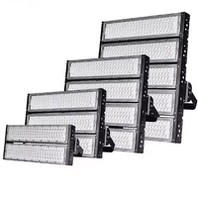
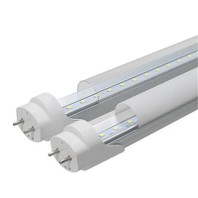
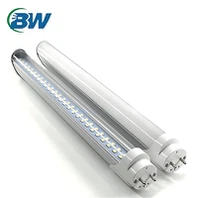
Additionally, you can select the ideal lighting solution for your house or place of business thanks to the wide range of colors and patterns that LED lights come in. There is an LED choice that will satisfy your demands, regardless of whether you want warm white, cold white, or colorful illumination. Additionally, LED lights come in a number of sizes and designs, which makes them appropriate for a wide range of uses.
In conclusion, because of their extended lifespan, design, and construction, LED lights are more energy efficient than incandescent bulbs. LED lights have the further advantages of dimmability, durability, and environmental friendliness in addition to converting a larger percentage of energy into light and producing less heat. You may lower your energy use, save money on replacements, and take advantage of the numerous advantages that come with energy-efficient lighting by switching to LED lights.

https://www.benweilight.com/ceiling-lighting/led-downlights/recessed-down-light-can-lights-led.html