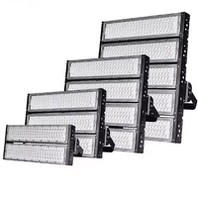
Among the most energy-intensive buildings in the world are large sports stadiums and outdoor events, which need enormous quantities of electricity for operations, HVAC systems, and lighting. The norm for lighting these areas has traditionally been conventional lighting systems like high-pressure sodium or metal halide lamps. Nonetheless, the move to LED (Light-Emitting Diode) stadium lighting is a revolutionary breakthrough in lowering environmental impact and energy usage. With an emphasis on energy efficiency, lifespan, less waste, smart technology integration, and connection with global sustainability goals, this article examines how LED stadium lighting can minimise carbon footprints.
Exceptional Energy Efficiency
LED stadium lights' remarkable energy efficiency is the most direct method they lower carbon footprints. Only around 30% of the energy used by conventional metal halide lamps is converted into visible light; the remaining energy is lost as heat. LEDs, on the other hand, have an efficiency of 80–90%, which means that they use a lot less power to produce the same amount of light (measured in lumens) or more.
For instance, a 400–500W LED light may frequently replace a 1000W metal halide lamp while preserving or increasing illumination levels. Instant energy savings result from this wattage decrease. By upgrading to LEDs, a typical stadium with 500–1000 fixtures may reduce its energy use by 40–60%. This results in hundreds of thousands of kWh saved over the course of a year, which directly reduces greenhouse gas (GHG) emissions and dependency on electrical networks supplied by fossil fuels.
Case Study: Compared to traditional lighting, the SoFi Stadium in Los Angeles, which has a totally LED lighting system, recorded a 60% reduction in energy usage. This is equivalent to removing hundreds of metric tonnes of CO2 emissions from a facility that hosts more than 20 events a year.
Longer Lifespan Lowers Waste and Manufacturing
Compared to traditional options, LED stadium lights have a substantially longer lifespan. LEDs have a lifetime of 50,000–100,000 hours, whereas metal halide lamps have a lifespan of 6,000–15,000 hours. There are two main environmental advantages to this longevity:
Reduced Replacement Frequency: When there are fewer replacements, less raw materials must be extracted, processed, and sent in order to make new fixtures. This lowers the carbon emissions associated with logistics and production.
Decreased Waste: Mercury and other dangerous substances found in conventional lights need to be disposed of properly. Over the course of their lifetime, LEDs produce less electronic trash, or "e-waste," and are mercury-free.
Stadiums frequently run all year round for maintenance, training, and events. Venues may significantly reduce their long-term material footprint by replacing their fixtures more frequently-every 10-15 years for LEDs, compared to every 1-2 years for metal halide.
Adaptive lighting and smart controls
Dynamic energy management is made possible by the smooth integration of contemporary LED systems with smart lighting controls. Stadium managers are able to utilise light just when and where it is needed thanks to features like motion sensors, zoning, and dimming.
Event-Specific Lighting: The lights run at maximum intensity during a game. Brightness can be lowered by 50–70% during non-event hours (such as maintenance or cleaning) to save electricity.
IoT Integration: Networked systems and sensors can automate lighting according to natural light levels or occupancy. For example, lighting in parking lots or concourses that are not in use may completely go off.
Broadcast-Optimized Lighting: State-of-the-art LEDs modify colour temperature and intensity to satisfy TV broadcast specifications without over-illuminating the field, saving energy.
By preventing energy waste, these adaptable features help stadiums reduce their carbon impact. Compared to traditional setups, the Mercedes-Benz Stadium in Atlanta, a LEED Platinum-certified venue, employs sophisticated LED controls to reduce lighting-related energy usage by 75%.
Reduced Ecological Impact and Light Pollution
Stadiums are frequently blamed for their role in light pollution, which disturbs nocturnal species and ecosystems. LED technology uses directed illumination and precise optics to solve this problem.
Beam Angle Control: By designing LEDs with precise beam angles, light may be directed precisely where it is required (like the field), reducing leakage into nearby regions.
Tunable Spectrums: LEDs can block out wavelengths that are detrimental to wildlife, such blue light, which confuses migrating birds and insects. This is in contrast to conventional lights, which generate broad-spectrum white light.
LED systems contribute to the preservation of local biodiversity, which is essential to the overall reduction of carbon footprints, by minimising skyglow and habitat disturbance.
Reduced Emissions of Heat Cut down on cooling loads
Conventional stadium lighting produces too much heat, raising the temperature inside covered venues. As a result, HVAC systems have to work harder and use more energy. LEDs produce far less heat, which lessens the strain on cooling systems and indirectly reduces energy use.
Reduced heat output in outdoor stadiums also makes it more comfortable for spectators during daytime events, which reduces the need for energy-intensive cooling options like portable fans or misting systems.
Harmony with Renewable Energy Infrastructure
LEDs are perfect for combining with renewable energy sources like solar or wind because of their low energy consumption. Stadiums may achieve near-zero operating emissions by powering LED lighting systems more effectively using on-site solar panels or green energy contracts.
For instance, 40% of the energy requirements of the Melbourne Cricket Ground (MCG) in Australia are satisfied by a combination of solar and LED power. Its need on coal-powered grids is greatly reduced by this hybrid strategy.
A Lower Manufacturing Carbon Footprint
Although resources like semiconductors and aluminium are needed for the creation of LEDs, industrial advances have made the process more efficient. In factories, businesses are increasingly employing renewable energy sources and recyclable materials. Furthermore, the initial carbon cost of manufacture is eventually compensated by the extended lifespan of LEDs.
Endorsing Carbon-Neutral Objectives and Policies
Stricter sustainability regulations are being enforced by governments and sports leagues. For example, FIFA mandates that World Cup venues fulfil energy efficiency standards, which are frequently only met with LED illumination. Venues may avoid fines and establish themselves as leaders in climate action by adhering to these criteria.
Financial Rewards Hasten Adoption
Stadiums are encouraged to install LEDs through financial tools including subsidies, tax breaks, and carbon credits. For instance, LED retrofits, which lower expenses and emissions, are encouraged by the U.S. Department of Energy's Better Buildings Initiative. The shift away from carbon-intensive lighting is accelerated by these incentives, which make sustainable upgrading financially feasible.
10. Case Studies: Practical Implications
Following an LED upgrade, Levi's Stadium in California saw a 40% decrease in energy use, resulting in an annual savings of 13,000 tonnes of CO2.
After installing 360 LED lighting bulbs for the 2016 Olympics, Maracanã Stadium in Brazil saw a 50% reduction in lighting energy use.
In keeping with Germany's Energiewende (energy transition) objectives, Allianz Arena uses only LED lighting that is powered by renewable energy.
A key component of environmentally friendly venue design, LED stadium lighting provide a variety of strategies for lowering carbon emissions. Their advantages go well beyond financial savings, reducing waste and energy consumption and facilitating smart controls and renewable integration. The sports and entertainment sector, which has a huge cultural impact, has an obligation to set an example as climate change awareness rises globally. Stadiums that use LED technology not only improve the experience for fans but also significantly contribute to the development of a low-carbon future.