Walk into a poorly lit hotel room with the wrong color bulb, and you immediately feel it - something is "off," even if you can't name why. Light color does more than let you see; it shapes mood, affects sleep quality, and even changes how colors and materials appear in a space. Yet when shopping for LED bulbs, many buyers only look at wattage and price, overlooking the one spec that matters most for comfort: color.
This guide breaks down what LED bulb "color" actually means, how it's measured, and how to match it to different rooms and use cases - so your next purchase (or product selection, if you're sourcing for resale) gets it right the first time.
What "Color" Means for an LED Bulb
LED bulb "color" usually refers to color temperature, measured in Kelvin (K). Confusingly, a lower Kelvin number produces a warmer, more amber-toned light, while a higher number produces a cooler, bluer-toned light. A 2700K bulb looks like a traditional incandescent lamp; a 6500K bulb looks close to overcast daylight.
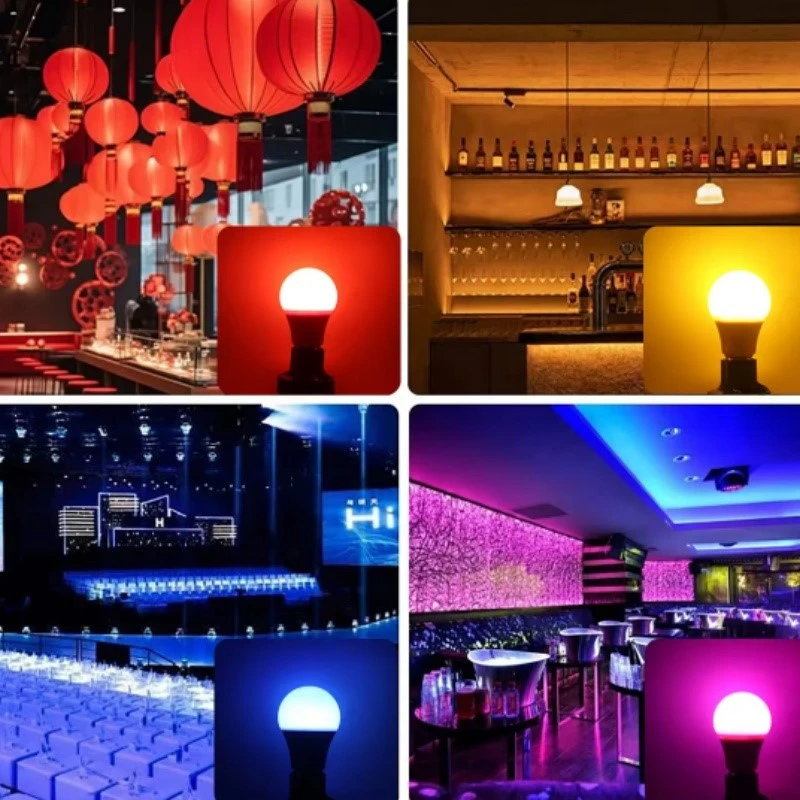
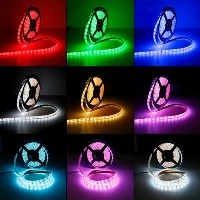
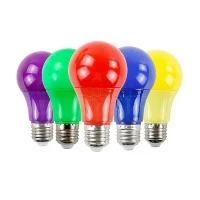
This is separate from RGB color - the ability of a smart bulb to shift into reds, blues, greens, and other hues for accent or mood lighting. Most everyday LED bulbs only offer white light at a fixed or adjustable Kelvin value; RGB is a feature found specifically in smart or decorative bulbs.
Warm White, Neutral White, and Daylight - What's the Difference
LED packaging typically groups Kelvin values into three practical categories:
Warm White (2700K–3000K): Amber-toned, relaxing light. Closest to old-style filament bulbs.
Neutral White (3500K–4500K): Balanced, slightly crisp light without feeling clinical.
Daylight (5000K–6500K): Bright, bluish-white light that mimics midday sun.
None of these is objectively "better" - the right choice depends entirely on the room and the task performed in it, which is what the next section covers.
Matching Bulb Color to Room Function
Bedrooms: Warm white (2700K–3000K) supports winding down and is less likely to interfere with melatonin production before sleep.
Living Rooms: Warm to neutral white (2700K–3500K) works for most layouts, since this space is used for both relaxing and socializing.
Kitchens: Neutral to daylight white (4000K–5000K) helps with tasks like reading labels or checking food color while cooking.
Bathrooms: Neutral to daylight white (4000K–5000K) gives a more accurate reflection for grooming tasks like shaving or makeup application.
Home Offices: Neutral to daylight white (4000K–5000K) supports alertness and reduces eye strain during long working hours.
Garages/Workshops: Daylight white (5000K–6500K) offers the clearest visibility for detailed or safety-sensitive tasks.
A simple rule of thumb: the more relaxing the activity, the warmer the light should be; the more task-focused the activity, the cooler the light should be.
Color Rendering Index (CRI): The Spec Most People Skip
Kelvin tells you the tone of the light, but CRI tells you how accurately that light reveals true colors - of skin tones, food, fabric, or paint. CRI is scored from 0 to 100, with natural daylight as the 100 benchmark.
For general residential use, look for a CRI of 80 or above. For spaces where color accuracy matters more - kitchens, bathrooms, closets, or any area used for photography or detailed work - a CRI of 90+ makes a noticeable difference. Two bulbs can share the same Kelvin rating yet look completely different in real life if their CRI values differ.
RGB and Tunable White Bulbs: When Flexibility Matters
For rooms with more than one use - a living room that's calm in the evening but needs brighter light for guests, for example - a tunable white or RGB smart bulb removes the need to commit to a single color temperature. These bulbs let users adjust Kelvin value (and sometimes full RGB color) through an app, remote, or voice assistant, matching the light to the moment rather than the fixture.
This flexibility comes at a higher price point than a fixed-color bulb, so it's most worth it in shared or multi-purpose spaces rather than rooms with one clear, consistent function, like a hallway or closet.
Quick Buying Checklist
Before adding an LED bulb to your cart, confirm:
Kelvin value matches the room's primary function
CRI is 80+ for general use, 90+ for color-critical spaces
Base type and wattage equivalent match the existing fixture
Dimmable bulbs are paired with a dimmer-compatible switch
Smart/tunable features are only added where flexibility is actually needed
Summary
Choosing the right LED bulb color isn't about picking a trend - it's about matching Kelvin temperature and CRI to how a room is actually used. Warmer light suits rest and relaxation, cooler light suits focus and detail work, and CRI determines whether either option renders colors accurately. Getting these two specs right does more for a room's comfort than any other lighting decision.
Still not sure which color temperature or CRI fits your project - or sourcing LED bulbs in bulk for a specific application? Send us your room type, fixture specs, or project requirements, and our team will help you match the right product from our catalog.
https://www.benweilight.com/lighting-tube-bulb/rgb-led-blub/color-led-bulbs.html