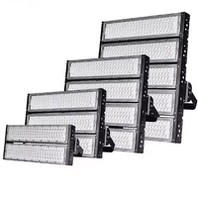
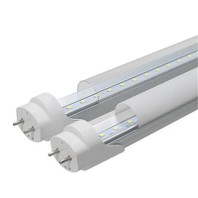
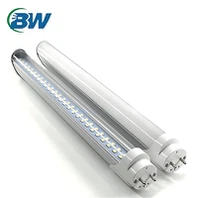
LED flood lights use light emitting diodes (LEDs) to generate light. LEDs in floodlights are semi-conductors that turn electricity into light by passing the electric current between two leads (metal pads called SMDs). When the required level of wattage between the leads is reached, energy is released in the form of photons, which provide the light.
Whereas traditional floodlights use heat to generate light, LEDs don’t, which is why they consume such a low amount of electricity by comparison. They also remain cooler to touch, because heat is not required to generate the light, and heatsinks are used to reduce wasted heat energy, which improves both the efficiency and the lifespan of the floodlight.