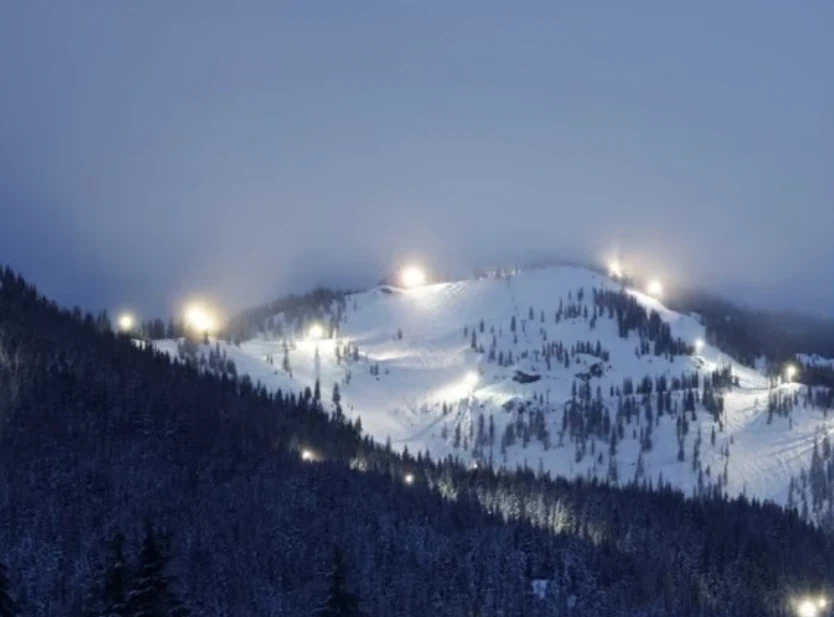
Ski resorts are well-known for their pure mountain air, stunning landscapes, and thrilling slopes that test the mettle of novices and seasoned pros. During the day, the main focus is on enjoying breathtaking views while speeding down the courses in the brilliant sunshine. However, a lot of ski areas still continue to host events after sunset, giving visitors who enjoy the rush of night skiing new experiences.
Night skiing is an essential component of the resort's activities, not merely an afterthought. Extended hours on well-lit runs are beneficial for families hoping to spend a night on the slopes, pros who can't get enough, and individuals who want a more sedate experience. Resorts have been forced to create dependable lighting solutions that can withstand frigid temperatures and mountain weather conditions as a result of this growth into nighttime activities.
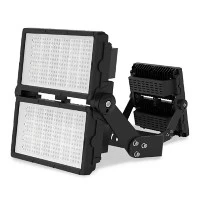
LED Ski Mountain Lights can help with that. They're making it easier for resorts to maintain nighttime lighting on the runs, providing skiers with a clear way ahead and a distinct atmosphere that conventional bulbs can't match. Whether you refer to them as ski lights, LED ski lights, or LED ski lighting, these contemporary fixtures provide constant brightness, reduce maintenance hassles, and assist manage energy expenses.
Why LED Lights Are Built for Ski Slopes
Resilience in Severe Cold Environments
Some of the most extreme weather conditions are experienced by ski resorts. Imagine howling winds, whirling snow, and freezing temperatures. In these kinds of settings, conventional lights like metal halide and halogen frequently perform poorly. Because they aren't designed to withstand continuous exposure to cold, they may flicker, dim, or even burn out sooner than anticipated.
Conversely, LED ski lights are designed to withstand harsh environments. They don't have the same flickering issues and operate dependably in subfreezing temps. For anyone speeding down the mountain at night, this steady performance means fewer dark areas on the slope and safer circumstances.
Efficiency of Energy
Running a ski resort requires energy for everything from base lodges to ski lifts, which is particularly difficult at high elevations. Every amount of energy saved matters because resorts are usually found in isolated areas. With up to 80% less energy consumption than traditional bulbs, LEDs significantly reduce operating costs over the course of a season.
Less of an influence on the environment results from these energy reductions as well. Reduced electricity consumption results in fewer emissions into the atmosphere and the burning of fossil fuels. Resorts benefit from a more effective system that illuminates slopes without using excessive amounts of energy thanks to LED ski lighting.
Durability and Minimal Upkeep
The majority of ski resorts have lighting systems in hard-to-reach locations. It can be time-consuming and occasionally hazardous to change lightbulbs on tall poles or in awkward areas of the slope. Because of their extended lifespan-which can range from 50,000 to 100,000 hours-LEDs provide an answer. Because of its durability, employees aren't on the mountain changing out bulbs all the time.
Labor costs are also reduced by their low maintenance requirements. More resources may be allocated to enhancing the entire resort experience when there are fewer trips up the lift tower for repairs and less time spent on common problems. Because of this, a lot of facility managers are replacing their outdated lighting with LED stadium lights and other powerful LED fixtures.
Design that is Weatherproof
The weather in the mountains is often erratic. It may be clear one minute and then a powerful snowstorm the next. LED makers design fixtures with high IP ratings, which indicate excellent protection against moisture and dust, to withstand this continuous onslaught of wind and precipitation. The end effect is a lighting system that remains bright even in the face of precipitation, snow, and abrupt weather changes.
Resorts position themselves for fewer weather-related problems by using LED lighting for their ski slopes. These lights are designed to stay bright, reliable, and prepared for any nighttime skiing trip, regardless of how strong the wind gusts or how much snow falls.
LED Lighting for Different Ski Resort Areas
Trails and Slopes
One of the largest lighting issues for any resort is the presence of ski slopes and paths. Because of the wide variations in the terrain, consistent lighting is essential for skiers' safety. Skiers may underestimate their speed or miss a patch of ice if a portion of a run is poorly illuminated, which could result in accidents. For this reason, broad beam angle LEDs are frequently used to distribute light over wide areas as uniformly as possible.
Here, LED ski lights shine since they don't need excessive amounts of electricity to stay bright. Uniform lighting is beneficial whether the slope is used for novices practicing on mild slopes or for experienced pros racing down black diamond runs. Good visibility lessens any unexpected surprises and helps visitors better understand the area. These lights present resort management with the opportunity to provide night-skiers with a more secure and pleasurable experience.
Gondolas and Chair Lifts
The lifeblood of a ski resort are chair lifts and gondolas, which transport visitors from the mountain's base to its summits. The two primary functions of lighting in these spaces are convenience and safety. People can board and exit without stumbling or misplacing their stuff in the dark when there is adequate illumination. Another benefit of LEDs is their rapid startup speeds; there is no waiting for lights to warm up because they produce full brightness quickly.
Motion-sensor LEDs are beginning to be used around loading zones in many resorts. When lifts are not in use or during off-peak hours, this configuration conserves electricity. When no one is there, the lights remain low or go out, then turn back on as soon as a skier or snowboarder shows up. It's a considerate method to prolong the life of ski slope lighting systems and save electricity.
Parking Lots at Resorts
Typically, guests' initial impressions of a resort are formed as soon as they exit the vehicle. In addition to making it easier for individuals to locate their cars at night, well-lit parking lots lower the chance of accidents and crashes. These open areas are ideal for motion-activated flood lights installed on LED poles. The lights are less bright when there is less traffic, but they get brighter anytime there is a car or person in the area.
Additionally, LED lighting technology improves color rendering, allowing individuals to view their surroundings more clearly. Good illumination keeps everyone safe, whether they are identifying a car in a crowded lot or seeing an icy patch. A smoother traffic flow and increased visitor satisfaction are two benefits of this kind of attention to detail.
Walkways and Lodges
Skiers usually return to the lodge to warm up, eat, or unwind after spending the day or night on the slopes. The mood of these public areas is created by the lighting. LEDs with warm color temperatures, typically between 3000K and 4000K, produce a warm, inviting illumination. People want to relax and enjoy some downtime at the lodge, so this is very crucial.
Similar considerations are beneficial for walkways as well. Resort managers can change the brightness of the pathway lighting according to traffic and the time of day by using adjustable features. For certain areas, LED wall lights may be an excellent choice. In an effort to reduce energy use and demonstrate their dedication to sustainability, some resorts have also started utilizing solar-powered LED choices. These environmentally friendly solutions provide the necessary illumination for safe navigation while also preserving a natural atmosphere.
Decorative lighting and signage
Resort signs add to the entire business identity in addition to directing traffic. At any time of day, visitors can readily see trail maps, directional signs, and branding thanks to high-quality LED lighting. When individuals can find where they need to go fast, this attention to detail pays off.
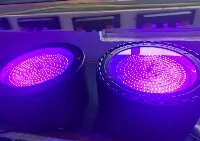
Some resorts use ornamental lighting in addition to functional signage to create a mood for events or special occasions. Because RGB LEDs can change color, they may create unforgettable spectacles on slopes, in resorts, or in event venues. Ski resorts keep returning visitors enthusiastic by adjusting the color palette to the occasion, guaranteeing that every visit delivers something new and eye-catching.
Advantages of Using LED Ski Mountain Lights
Increased Security
When it comes to skiing, safety is paramount. Because LED ski lighting leaves fewer black areas, it provides clear, consistent illumination, which lowers the danger of accidents. Skiers can also perceive changes in slope conditions, such as abrupt drops or slippery patches, more rapidly and precisely thanks to improved color rendering.
A skier's impression of depth may be affected by uneven lighting. This is addressed by LED technology, which offers constant illumination devoid of flicker or dimming. The outcome? Night skiers maintain their composure and can concentrate on having fun on the descent rather than worrying about potential dangers.
Savings on expenses
The long-term financial advantages frequently exceed the original costs, even if switching to LED ski lights could seem like a significant upfront commitment. Energy bills are immediately reduced by LEDs as they utilize a fraction of the power that older lighting do. For high-altitude resorts, where electricity costs are frequently higher, this is especially beneficial.
Additionally, LEDs require less maintenance and replacement because they last a lot longer. It might be challenging and costly to send a crew up to replace a light on a tall pole or in a distant location. Reduced service calls from LED stadium lights and other high-efficiency fixtures free up funds for other projects, like better visitor amenities.
Sustainability
The environmental policies of the destinations they visit are important to modern tourists. Resorts may demonstrate sincere attempts to lessen their carbon footprint by utilizing LED ski mountain lighting. Lower energy use results in lower emissions, which is consistent with more general ecotourism objectives. Furthermore, LEDs are free of mercury and other dangerous chemicals that could endanger the ecology.
Resort visitors who wish to spend time in immaculate, well-kept natural environments are also drawn to sustainability. The resort can be positioned as a responsible option for guests who care about the environment by implementing eco-friendly lighting, which can become a talking point in marketing campaigns.
Personalization Choices
The versatility of LED technology is one of its best qualities. Programmable adjustments for color and brightness are a common feature of LED ski slope lighting systems. This implies that depending on the time of day, the weather, or special occasions, ski resorts might implement various lighting plans.
To conserve electricity, a resort might, for instance, turn down the lights a little during off-peak hours and turn them up during busy times or nocturnal racing. With a few clicks, managers may modify lighting thanks to some systems' automated or remote management features. This flexibility promotes an improved overall experience and can contribute to the creation of genuinely distinctive night skiing environments.
How to Choose the Right LED Ski Mountain Lights
The key to choosing the best LED ski lighting system is to match the lights' performance to the particular requirements of a ski resort. Every choice you make, from the beam angles to the wattage, affects the creation of secure, cozy conditions on the slopes.
Important Things to Think About
1. How to determine the wattage when choosing ski resort lighting?
Select the wattage based on the needs of the illuminated area: lower wattage can be used for pathways or lodge exteriors to create a tranquil atmosphere, while higher wattage is required for slopes and trails to illuminate larger expanses.Choosing the right wattage avoids energy waste without compromising brightness. For example, the Benwei Series Stadium Light offers 112,000 lumens with 800 watts, and the Centario PRO Series 800-watt LED Stadium Light also delivers 112,000 lumens.
2. How to select the color temperature for different areas?
Color temperature selection should match the usage scenario:
Slopes and trails: 5000K to 6000K (cool tones) help skiers detect potential obstacles and terrain changes.
Walkways and lodges: 3000K to 4000K (warm tones) make spaces feel welcoming and assist guests in relaxing after a demanding day.
Warm tones are also ideal for social settings emphasizing comfort, such as dining patios, lodge exteriors, or lounge areas.
3. How to match beam angles with ski resort lighting scenarios?
Wide beam angles: Suitable for open slopes, providing wide and uniform coverage to ensure no area of the run is left in the dark.
Narrow beam angles: Better for narrower areas or targeted lighting on specific pathways, focusing on illuminating designated walkways or elevators without wasting light on unnecessary regions.
4. What are the requirements for the IP rating of ski resort lighting?
It is recommended to choose lighting fixtures with an IP65 rating or higher.Mountainous areas have harsh weather conditions, and an IP65+ rating effectively protects against dust, snow, and rain, ensuring fixtures work normally even during storms.A high IP rating also reduces the frequency of fixture replacements or maintenance, which is particularly useful for hard-to-reach areas.
5. What role do intelligent controls play in ski resort lighting?
Energy conservation: Supports remote control, motion-activated lighting, and dimming functions. Brightness can be adjusted at different times, or lights can be turned on only when people are present to reduce energy waste. For example, set slope lighting to maximum brightness when night skiers board the lift, and dim it after midnight.
Flexible adaptation: When paired with LED ski lights, smart controls make it easier to handle unforeseen weather or crowd size changes. Resort staff can adjust lighting schemes to meet real-time needs with just a few clicks.


Our address
Jl Cempaka Wangi No 22 Jakarta - Indonesia
Phone Number
+86 18659785153
bwzm04@ledbenweilighting.com