How to Choose Between 2700K and 3000K for Your Home or Business?
Imagine entering the foyer of a recently remodelled boutique hotel. Even if the finishes are perfect, there seems to be a problem. Rather of being opulent and inviting, the area appears bland, almost clinical. Imagine a luxurious kitchen where everything seems yellow, making it impossible to determine whether the chicken is cooked through. These two are not examples of poor design. Colour temperature failures are what they are.
The difference between 2700K and 3000K appears insignificant. It isn't. It establishes whether a space feels like a haven or a showroom, whether goods appear high-end or inexpensive, and if your eyes remain comfortable or begin to strain by 3 p.m. This guide, which covers every area, typical errors, and the methods designers employ to do it right, will help you make that decision like an expert.
A Brief Overview of the Distinction
You must understand what you are truly comparing before making a decision. Although 2700K and 3000K are both warm white, they have very different personalities.
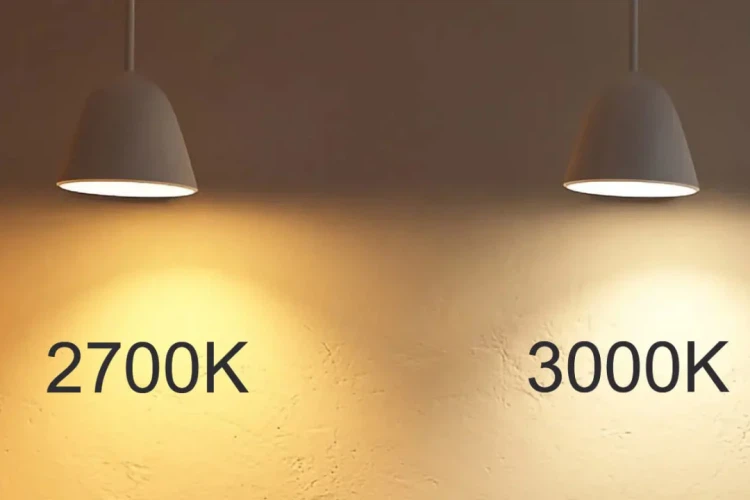
The colour of a conventional incandescent lamp is replicated by a 2700K bulb. Warmth, cosiness, and relaxation are evoked by its tendency for yellow and orange hues. The white produced by a 3000K bulb is crisper and cleaner. Because there is less yellow, colours read more properly, and the light feels more energising without being harsh or chilly.
Consider it this way. The more useful cousin of candlelight is 2700K. 3000K is clean, not harsh, like the light of a cloudless morning.
However, there are more factors besides colour temperature. One of the most frequent complaints is that 2700K seems "dingy" or "yellow." A low CRI value is typically the issue rather than the 2700K rating. The Colour Rendering Index, or CRI, gauges how well a light source captures an object's actual colour. A low-CRI 2700K lightbulb will cause whites to seem murky and skin to appear sallow. Rich wood tones and vivid fabrics can be achieved with a high-CRI 2700K bulb that has the same colour temperature. Always choose the bulb with the better CRI-ideally 90 or above-when comparing two bulbs with the same Kelvin rating.
Residential Room-by-Room Selection
The practical part is now. Here are some guidelines for using each colour temperature in a home, along with a brief explanation of each decision.
Select 2700K for bedrooms and living areas. These are areas for unwinding and resting. The brain receives a signal to rest from the warmer tone. It produces a gentle, attractive light that makes areas feel cosier and skin appear healthier.
The standard for dining rooms is 2700K. Warmer light makes food appear richer, and the ambiance promotes longer, more leisurely meals. In contrast, a 3000K dining area feels like a cafeteria.
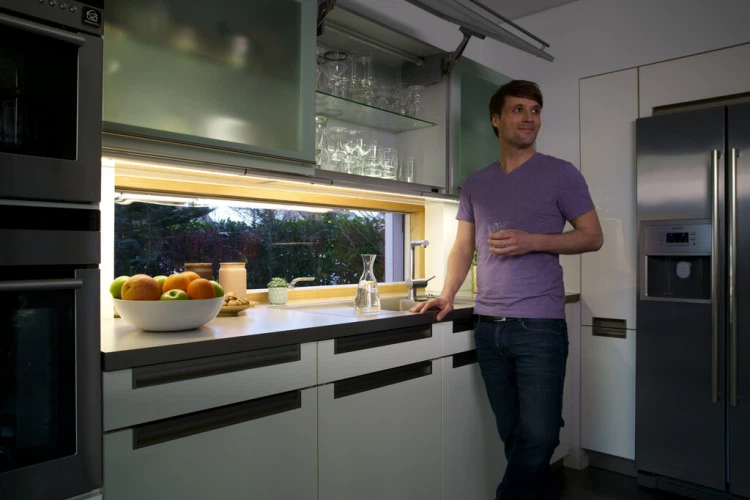
Select 3000K for kitchens. You must be able to see clearly in this task-oriented area. When examining components, reading labels, or cleaning surfaces, a 3000K light makes white appear white. Additionally, it gives the kitchen a cleaner, more contemporary vibe.
For most people, 3000K is a better option for restrooms. For grooming procedures like shaving or applying cosmetics, the sharper light enhances visibility. However, 2700K might work better for you if your bathroom is primarily a spa-like hideaway for extended soaks.
3000K is the obvious solution for home offices. During prolonged screen usage or paperwork, the slightly cooler, more neutral light helps sustain focus and lessens eye strain. Without the severity of greater colour temperatures, it keeps you vigilant.
3000K more for garages and laundry rooms. These are zones that are only functional. Sorting, stain-checking, and organising are made much simpler by clear visibility.
Commercial Room-by-Room Selection
commercial spaces follow the same rules, but the decision-making process now focuses on commercial objectives rather than personal comfort.
Select 3000K for conference rooms and workplaces. The neutral, well-balanced light promotes long-term concentration and sharp vision. It establishes a setting that is both pleasant and professional, allowing individuals to work efficiently for extended periods of time.
3000K is the norm for store displays. It displays goods in their most authentic hues, which has a direct influence on consumer choices. Silver jewellery can appear brassy while white clothing can appear cream under a 2700K light. That distortion is eliminated by 3000K.
2700K is typically the appropriate amount for restaurants, lounges, and hotel lobbies. These places offer an experience rather than a task. Warmth and relaxation are fostered by the warmer light, which encourages visitors to stay and come back. In particular, fine dining benefits with 2700K because it creates a more exclusive and upscale atmosphere.
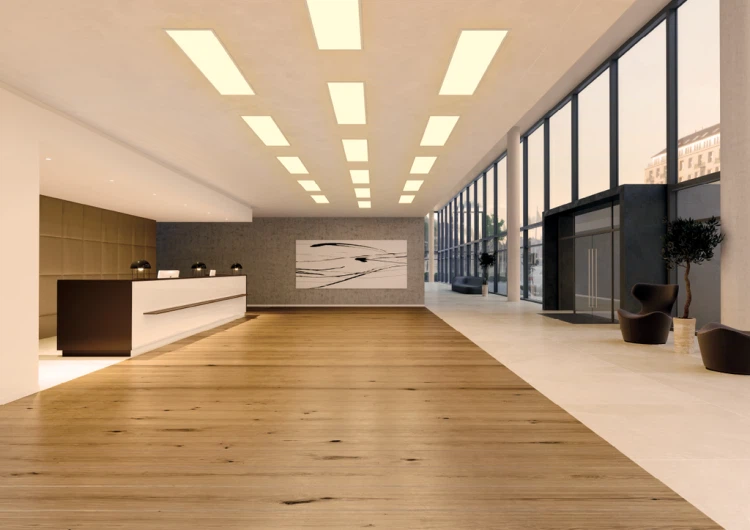
3000K for classrooms and educational facilities. Without the lethargy that excessively warm light can cause in a group situation, the clearer, more neutral light helps pupils focus and makes it simpler for them to read, write, and stay involved.
Combining 2700K and 3000K: A Trick for Designers
A space doesn't have to be dominated by a single temperature. Usually, a layered approach is more effective, especially in open-plan spaces.
The most useful approach is ambient plus task. To create a cosy, comfortable starting point, install 2700K overhead lighting. Then add 3000K task lighting precisely where you need it, under kitchen cabinets, over a desk, or in a reading nook. Instead of perceiving the two zones as mismatched, the eye interprets them as deliberate.
Colour temperature can also be used to create functional boundaries that are undetectable in open-plan areas. Keep 3000K over the kitchen area to define it as a workspace, and use 2700K in the adjacent living zone to mark it as a relaxation area. Light becomes a silent way of telling people what each space is for.
Preventing Two Typical Errors
Even seasoned renovators encounter two problems before purchasing bulbs.
First, a brightness issue cannot be attributed to colour temperature. Colour, not brightness, is described by Kelvin ratings. Brightness is measured in lumens. A 1000-lumen 2700K bulb will feel far brighter and more useful than a 450-lumen 3000K bulb. Before blaming the Kelvin rating for a room that seems excessively gloomy or washed out, check your lumen output.
Second, there is a slight but genuine blue light issue with 3000K.We've written about the blue light hazard. Indeed, compared to 2700K, 3000K has a little bit greater blue spectrum. Indeed, melatonin can be suppressed by blue light at night. But the difference between the two is tiny compared to the 6500K screen you are likely reading this on. Select 2700K as a prudent measure for bedrooms and evening areas. For daytime workspaces, the functional benefits of 3000K far outweigh the negligible blue light impact. For each work and time, use the appropriate light.
Making the Ultimate Choice
Choosing between 2700K and 3000K boils down to three straightforward questions after all the charts and suggestions. What is the main purpose of this area-work or leisure? Which kind of atmosphere-intimate or stimulating-do I want? Do I have enough lumens to support my decision?
Your choice of colour temperature will come to you if you answer those three questions for any room. Budget is rarely the determining factor between a well-lit and poorly-lit area. Almost often, it comes down to understanding what questions to ask before making a purchase.
Contact
Kevin Rao
Email:bwzm12@benweilighting.com
Tel/Whatsapp:+8619972563753