LED lights are widely used in modern pest control, particularly for attracting and trapping flying insects like flies, mosquitoes, moths, and gnats. They've largely replaced or supplemented traditional fluorescent UV tubes in insect light traps (ILTs).
How LED Pest Control Lights Work
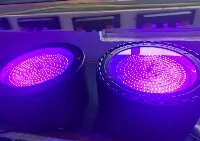
UV or blue-violet LEDs (often around 365–395 nm) mimic the attractive wavelengths that many flying insects see and are drawn to at night. These are paired with glue boards, electric grids (zappers), or vacuums to capture or kill pests.
Advantages over old fluorescent tubes:
Much longer lifespan (often 3x or more).
Lower energy use (up to 50–70% savings).
Less heat, more reliable in various conditions, and more environmentally friendly.
Better for commercial kitchens, restaurants, food facilities, and homes.
Some commercial options include PestWest Quantum LED systems, Genus LED traps, and Vectothor LED units, which are designed for professional fly control.

Popular Consumer Products
PIC LED Bug Zapper Light Bulbs - Screw into standard sockets; combine LED lighting with UV attraction and zapping. Good for porches or indoor use.
Plug-in UV LED traps for mosquitoes, fruit flies, and gnats (many on Amazon/Walmart).
Outdoor zappers like Flowtron models that use UV LEDs.
Note: Efficacy varies. Some users and tests report LEDs matching or exceeding fluorescent performance, but cheaper models may catch fewer insects or a narrower range of species.
Blue LEDs for Direct Pest Control
Research (e.g., from Tohoku University) shows certain blue LED wavelengths can be nearly 100% lethal to some insects by disrupting their biology, offering a chemical-free option. This is more experimental or niche than widespread consumer traps.
Do Regular LED Lights Attract or Repel Pests?
Cool white/blue LEDs (higher color temperature, e.g., 4000K+) attract more bugs because they emit some UV/blue light.
Warm/yellow/amber LEDs (lower K, ~2700K or less) attract significantly fewer insects and are recommended for outdoor porch/deck lighting.
LEDs generally produce less heat and UV than incandescents, so they're often better than old bulbs overall. because the mosquito do not like yellow light , so it can repal the mosquito , you can see below chart