To synthesise nutrition from water and carbon dioxide, a process called photosynthesis, all green plants require sufficient quantities of light. While some plants may survive in partial darkness, all plants need some amount of sunshine to survive. As far as plants are concerned, that is a formula for disaster.

But here's the thing: Indoors, where there is far less light than outdoors, house plants live. How then can you guarantee normal plant growth indoors?
The solution, then, is artificial light. Yet not all artificial lighting is made equal. LED lights are a must-have if you're serious about taking care of your plants. Continue reading to learn why this is the case, how to promote plant development using artificial light, and the answers to a few more concerns.
The Best Indoor Plant Lighting: Why LED?
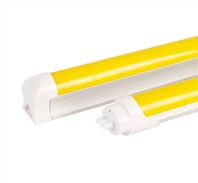
Light-emitting diodes are referred to as LEDs. These lights are now the most popular form of grow light, and for good reason. First off, relative to their brightness, LED lights are incredibly energy-efficient, emitting very little heat. Moreover, there are many other types of LED bulbs available, including screw-in replacement bulbs for standalone desktop and clip-on fixtures as well as powerful greenhouse lights.
LED lights also offer full spectrum lighting. Nonetheless, a lot of LEDs may also be modified to match the precise bandwidth needed by your plants. Also, there are a number of LED bulbs that you can set to output various degrees of light intensity at various times of the day. In fact, some of them have smart technology that lets you operate your indoor lights using a smartphone.
On the other hand, incandescent lights aren't exactly the best option for growing plants. They squander 90% of their energy as heat and only utilise 10% of it for light, respectively. These lights are therefore not recommended for light-loving plants like the ZZ Plant, Anthurium, Rubber Plant, Zanzibar Gem, or Devil's Ivy unless you want to roast your plants.
You also need to remember one more thing. Not all LED lighting is created equal. Because they produce the most even light, CRI90+ LED bulbs should always be used. We don't cut corners when it comes to quality, hence only CRI0-+ LEDs are available on our store.
How to Grow Plants Using Artificial Light
Here are some pointers on how to use artificial light for plant development as effectively as possible:
Array the LED lights 6–12 inches away from the vegetation. In this manner, your plants will receive enough light without the light scorching them up.
Every day, turn off the lights for around 8 hours. Usually speaking, cultivate plants under LED lights for 12 to 16 hours every day.
It is acceptable, and in certain cases even advised, to alter the lighting setup. The total plant growth may be significantly impacted by repositioning your LED lights or varying the amount of time they are on or off.