How to Choose the Right LED Corn Light Bulb: Wattage, Color Temperature, and IP Rating Tips for Buyers

Choosing the right LED corn light bulb is more than just picking a fixture that fits a socket – it requires matching the bulb's specifications to your specific space, usage needs, and environmental conditions. For buyers, whether you're outfitting a warehouse, a parking garage, or an outdoor loading dock, three key factors will determine the bulb's performance and value: wattage (which dictates brightness and energy use), color temperature (which affects visibility and atmosphere), and IP rating (which measures resistance to dust and moisture). Overlooking any of these can lead to dim lighting, wasted energy, or premature bulb failure. This guide breaks down each factor in detail, offering actionable tips to help buyers select LED corn light bulbs that meet their needs and deliver long-term satisfaction.
1. Wattage: Balance Brightness Needs with Energy Efficiency
Wattage is often the first specification buyers notice, but it's critical to understand that wattage does not equal brightness – instead, it indicates how much energy the bulb uses. For LED corn lights, the goal is to choose a wattage that provides enough lumens (the true measure of brightness) for your space, without overusing energy.
First, calculate your space's brightness requirements. Different applications demand different lumen levels:
Warehouses and High-Bay Factories: These large, tall spaces (ceilings 15+ feet) need high brightness to cover wide areas and support tasks like inventory picking or machinery operation. Aim for 10,000–24,000 lumens per fixture. Most LED corn lights in this range fall between 80W and 200W. For example, a 100W LED corn light typically produces 12,000–15,000 lumens – ideal for medium-sized warehouse sections (500–800 square feet).
Parking Garages and Small Workshops: Spaces with lower ceilings (8–12 feet) or less intensive tasks require moderate brightness. 5,000–10,000 lumens per fixture is sufficient here, which translates to 40W–80W LED corn lights. A 60W bulb (around 7,000 lumens) works well for parking garage bays or small workshop areas, providing clear visibility without glare.
Outdoor Spaces (e.g., Loading Docks, Courtyards): Outdoor areas often need bright, wide-reaching light for safety. For covered loading docks, 8,000–12,000 lumens (80W–100W) is recommended; for open courtyards or walkways, 5,000–8,000 lumens (50W–80W) may suffice, depending on the area size.
Next, avoid the common mistake of "over-wattaging". Many buyers assume a higher wattage means better performance, but this wastes energy and can create uncomfortable glare. For example, a small 500-square-foot workshop with 10-foot ceilings does not need a 200W LED corn light (24,000 lumens) – a 60W bulb (7,000 lumens) will provide ample light at a fraction of the energy cost. To confirm, use a lumen calculator (available online) to input your space's square footage and ceiling height; this tool will recommend a target lumen range, helping you select the right wattage LED corn light.
Also, consider compatibility with existing fixtures. If you're retrofitting from high-pressure sodium (HPS) lamps, note that LED corn lights use far less wattage to produce the same brightness. A 250W HPS lamp (22,000 lumens) can be replaced with a 100W LED corn light (15,000–20,000 lumens) – a 60% reduction in wattage without sacrificing brightness. Always check the bulb's lumen output, not just wattage, to ensure a proper replacement.
2. Color Temperature: Match to Task and Atmosphere
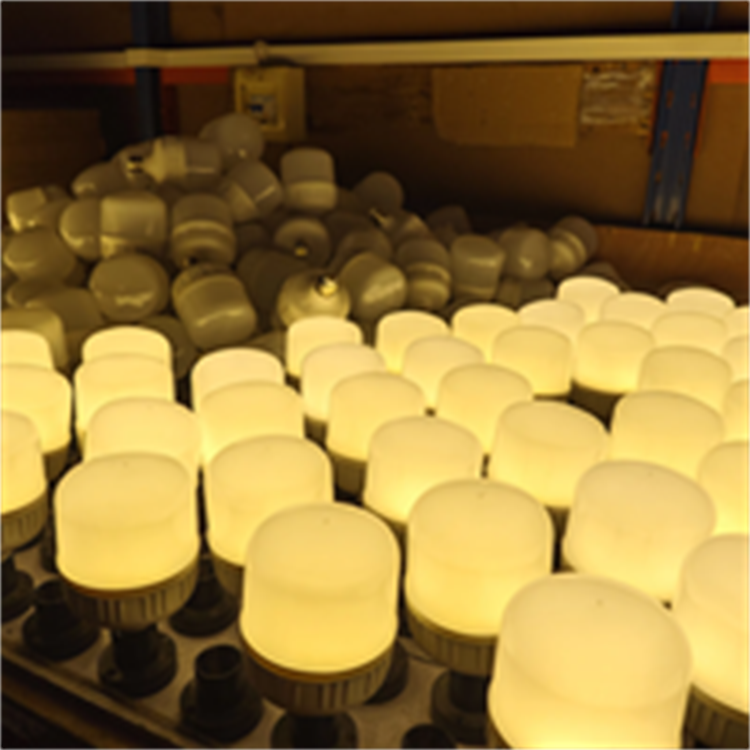
Colour temperature, measured in Kelvin (K), describes the "warmth" or "coolness" of light. It has a direct impact on visibility, worker comfort, and even productivity – making it a key factor for buyers, especially in industrial or commercial spaces where lighting affects daily operations.
LED corn lights typically range from 2700K (warm white) to 6500K (cool white), with each range suited to specific applications:
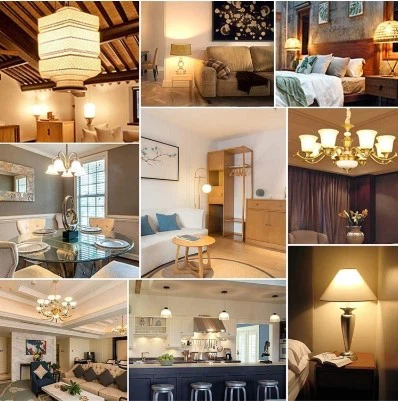
Warm White (2700K–3500K): Emits a soft, yellowish light similar to incandescent bulbs. This temperature creates a cosy, inviting atmosphere but has lower contrast, making it less ideal for tasks requiring precise visibility. Use warm white LED corn lights in spaces where comfort is prioritised over intense task lighting, such as retail warehouse break rooms, indoor waiting areas, or covered outdoor patios attached to commercial buildings.
Neutral White (4000K–5000K): Balances warmth and coolness, producing light that closely mimics natural daylight. This is the most versatile colour temperature, offering excellent contrast and visibility without the harshness of cool white. It's ideal for spaces where both comfort and task performance matter, such as medium-sized warehouses, workshops, or parking garages. Neutral white light reduces eye strain during long hours of work and helps workers distinguish between colours accurately – critical for tasks like sorting packages or inspecting products.
Cool White (5500K–6500K): Emits a bright, blue-white light that maximises visibility and alertness. It has the highest contrast, making it perfect for spaces with high ceilings, large areas, or tasks requiring sharp focus. Use cool white LED corn lights in large warehouses, high-bay factories, outdoor loading docks, or security lighting areas. For example, forklift operators in a 20-foot-tall warehouse will benefit from cool white light, as it cuts through shadows and helps identify obstacles or inventory labels from a distance.
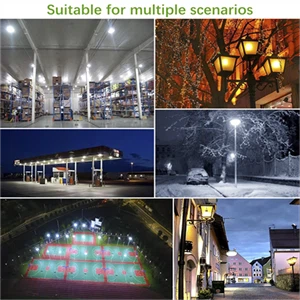
Avoid mismatching colour temperatures in the same space. Mixing warm white and cool white lights can create an uneven, distracting atmosphere and reduce overall visibility. For large facilities like warehouses, stick to a single colour temperature across all fixtures – this ensures uniform lighting and a more professional, efficient environment. If you're unsure, test a sample bulb first: install one in your space and assess how it performs during typical operating hours (e.g., morning, afternoon, and evening) to ensure it meets your visibility needs.
3. IP Rating: Protect Against Dust and Moisture
IP (Ingress Protection) rating is a two-digit code that indicates how well a light fixture resists dust and moisture – critical for LED corn lights used in harsh environments like warehouses, parking garages, or outdoor spaces. Ignoring IP rating can lead to bulb damage: dust buildup can overheat the LED chips, while moisture can cause short circuits or corrosion.
The first digit of the IP rating (0–6) measures dust resistance:
IP0X: No dust protection (avoid for all industrial/commercial use).
IP5X: Dust-protected – prevents most dust from entering the fixture. Suitable for indoor spaces with low dust levels, such as clean workshops or retail warehouses.
IP6X: Dust-tight – blocks all dust from entering. Essential for dusty environments like manufacturing facilities, grain warehouses, or construction site sheds, where dust can accumulate quickly and damage internal components.
The second digit (0–9) measures moisture resistance:
IPX0: No moisture protection (only for dry, indoor spaces with no risk of water exposure).
IPX4: Splash-resistant – protects against water splashes from any direction. Suitable for indoor spaces with occasional moisture, like parking garages or workshops with minimal water use.
IPX5: Jet-resistant – protects against low-pressure water jets (e.g., rain, hose spray). Ideal for covered outdoor spaces like loading docks or partially enclosed patios.
IPX6: Powerful jet-resistant – protects against high-pressure water jets (e.g., heavy rain, cleaning with a pressure washer). Necessary for fully outdoor spaces like open courtyards, outdoor storage areas, or parking lots exposed to the elements.
For most buyers, the minimum recommended IP rating for LED corn lights depends on the space:
Indoor Dry Spaces (e.g., clean warehouses, offices): IP54 (dust-protected and splash-resistant) is sufficient.
Indoor Damp/Dusty Spaces (e.g., parking garages, manufacturing plants): IP65 (dust-tight, jet-resistant) is ideal to prevent dust and moisture damage.
Outdoor Spaces (e.g., loading docks, parking lots): IP66 or higher (dust-tight, powerful jet-resistant) to withstand rain, snow, and occasional cleaning with water.
Always check the manufacturer's IP rating claims – some low-quality bulbs may advertise a high IP rating but lack proper sealing (e.g., cracked rubber gaskets or loose lens covers). Inspect sample bulbs for tight, uniform seals around the lens and cable entry points to ensure they live up to their IP rating.
4. Additional Tips for Smart Buying
Beyond wattage, colour temperature, and IP rating, a few extra considerations can help buyers select the best LED corn light bulb:
Check for Certifications: Look for bulbs certified by reputable organisations like UL (Underwriters Laboratories), CE (Conformité Européenne), or DLC (DesignLights Consortium). These certifications ensure the bulb meets safety, energy efficiency, and performance standards. DLC-certified bulbs, for example, are often eligible for utility rebates, reducing upfront costs.
Consider Heat Dissipation: LED corn lights generate heat, and poor heat dissipation can shorten lifespan. Choose bulbs with aluminium heat sinks (aluminium is a superior heat conductor) or additional cooling features like fins. Avoid bulbs with plastic heat sinks, which trap heat and lead to premature lumen depreciation.
Evaluate Warranty: A long warranty indicates manufacturer confidence in the bulb's durability. High-quality LED corn lights typically come with 5–10 year warranties, while low-quality models may offer only 1–2 years. Ensure the warranty covers both parts and labour, and check the manufacturer's customer service reputation to ensure easy claims processing.
Test Compatibility with Dimmers/Controls: If you plan to use dimmers, motion sensors, or smart controls (e.g., scheduling), confirm the LED corn light is compatible. Not all LED bulbs work with traditional dimmers – look for bulbs labelled "dimmable" and check the manufacturer's list of compatible control systems to avoid functionality issues.
Conclusion: Invest in the Right Bulb for Long-Term Value
Choosing the right LED corn light bulb requires balancing technical specifications with real-world needs. By focusing on wattage (to match brightness and energy efficiency), colour temperature (to enhance visibility and atmosphere), and IP rating (to protect against dust and moisture), buyers can avoid costly mistakes and select bulbs that perform well for years. Remember, the cheapest bulb isn't always the best value – investing in a high-quality LED corn light with the right specifications will save money in the long run through lower energy bills, fewer replacements, and better performance.
Whether you're outfitting a small workshop or a large warehouse, taking the time to assess your space's unique needs and compare bulb specifications will ensure you select an LED corn light that meets your expectations. With the right bulb, you'll enjoy bright, efficient, and reliable lighting that supports your operations and enhances the safety and productivity of your space.
Shenzhen Benwei Lighting Technology Co., Ltd.
Telephone: +86 0755 27186329
Mobile(+86)18673599565
Whatsapp :19113306783
Email:bwzm15@benweilighting.com
Skype: benweilight88
Web: www.benweilight.com