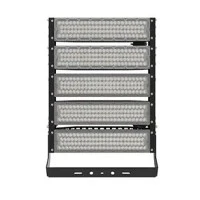
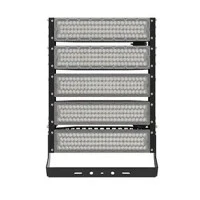
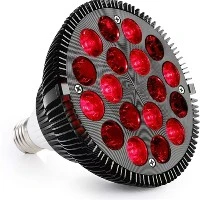
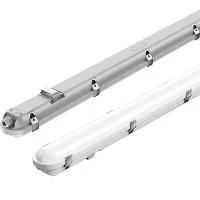
In chicken farming, light is a crucial environmental component that affects everything from physiological development to bird behaviour. Modern research is progressively emphasising the impact of light spectrum-the range of wavelengths radiated by a light source-in influencing poultry production and welfare, even though the significance of light duration and intensity has long been understood. Farmers now have unheard-of control over lighting settings with to LED technology, which allows for customised approaches to enhance flock performance. This article examines the effects of various light wavelengths on the behaviour, development, and reproduction of chickens and provides practical advice for improving lighting systems in commercial settings.
Light Spectrum and Poultry Vision Science
Humans and poultry have distinct ways of seeing light. For example, chickens have tetrachromatic vision, which means that their eyes have four different kinds of cone photoreceptors, as opposed to three in humans. They can detect wavelengths from 700 nm (deep red) to 360 nm (ultraviolet) because to their cones. Their everyday activities, including as feeding, interacting with others, and avoiding predators, depend heavily on this enlarged visual range.
Important observations:
By improving plumage visibility, ultraviolet (UV) light (300–400 nm) helps in mate selection and the formation of social hierarchy.
Melatonin synthesis and circadian rhythms are influenced by blue light (450–495 nm).
Green light (495–570 nm): Encourages composure and productive feeding.
Red light (620–750 nm): Promotes development and the production of reproductive hormones.
Designing LED poultry lighting systems that meet the demands of chickens requires an understanding of these biological reactions.
The Behaviour of Poultry and the Light Spectrum
Birds' interactions with their surroundings and with one another are significantly influenced by the wavelengths of light.
a) Feeding and Foraging Practices
According to studies, blue and green light can promote natural foraging behaviours and lessen stress. For instance:
Broilers have been shown to exhibit more exploratory behaviour when exposed to blue light (480 nm), which encourages movement and muscle growth.
Layer pecking and aggressiveness are decreased by the relaxing effects of green light (560 nm).
Red light, on the other hand, may inhibit activity, which is advantageous while the animal is at rest but may prevent it from consuming food if it is used excessively.
b) Social Relations
Flock aggression is a serious welfare issue. Studies show that:
By reducing visual contrasts that elicit territorial behaviour, cool white light (high blue content) might lessen violent pecking.
Conflicts caused by stress are lessened when birds are helped to gradually adjust using dimmable LED systems that simulate dawn/dusk transitions.
b) Behaviour Related to Reproduction
Red light (660 nm) increases the synthesis of testosterone and oestrogen in breeding flocks by stimulating the hypothalamus-pituitary-gonadal axis. This results in:
increased activity in mating.
increased rooster fertility rates.
enhanced chickens' ability to produce eggs.
Growth Performance and the Spectrum of Light
The proper light spectrum can maximise egg production in layers and speed up development and feed conversion ratios (FCR) in broilers.
a) Broilers: Weight Gain and Muscle Growth
Because red light (620–750 nm) stimulates growth hormones including insulin-like growth factor 1 (IGF-1), it is linked to rapid weight gain. According to a 2020 research, broilers that were exposed to red LED illumination at 6 weeks outperformed those that were exposed to white light by 5–7%.
Activity is encouraged by blue light, which aids in muscle growth but may raise FCR if birds use excessive amounts of energy.
b) Layers: Egg Quality and Production
Red light promotes the development of eggs by increasing prolactin release. Compared to hens exposed to white light, those exposed to red wavelengths deposit their eggs three to five days earlier.
Green light increases calcium metabolism, which thickens eggshells.
By inhibiting premature laying in pullets, blue light can improve skeletal growth before to the onset of egg production.
b) Efficiency of Feed
Due to its calming influence on metabolism, green light has been demonstrated in certain experiments to increase feed conversion efficiency by up to 12%.
Case Studies: Practical Implementations
Case 1: Free-Range Poultry with UV-Enhanced Lighting
In order to replicate natural sunshine, a farm in the UK installed UV-A (365 nm) LEDs in free-range housing. Among the outcomes were:
Increased exercise leads to a 15% decrease in leg problems.
improved condition of the feathers, which lowers winter heat loss.
Case 2: Growth of Broilers with Red Light
A Brazilian research contrasted fluorescent and red LED illumination for broilers. The red LED group displayed:
6.2% more weight in the end.
decreased mortality by 4%, which is ascribed to less stress.
Case 3: Calm Layers with Blue Light
During raising, a Dutch layer farm resorted to blue-enriched illumination. Among the results were:
30% fewer instances of feather-pecking.
improved consistency in the size and quality of the egg shell.
Actionable Advice for Farmers
Take into account these tactics to optimise the advantages of the light spectrum:
Adjust Lighting to Meet Production Objectives
For growth, use red-dominant spectra; in the last week, switch to blue light to promote muscular tone and activity in broilers.
Layers: During the busiest times for laying, combine red light (for egg production) with green light (for serenity).
b) Modify Spectra according to Age
Bright white light with UV to encourage eating in chicks (0–7 days).
Growers: To balance behaviour and growth, switch to red or blue.
c) Purchase Adjustable LED Systems
Dynamic control over spectrum, intensity, and photoperiod is possible with programmable LEDs. For instance:
Model the cycles of daylight in nature.
Lights should be gradually dimmed to avoid fear during shutdowns.
d) Track the Reaction of the Birds
To adjust lighting schedules, monitor indicators like as weight increase, feed intake, and aggressiveness rates.
Issues and Things to Think About
Cost: Although they demand an initial investment, high-quality LED systems save money over time.
Overlighting: Prolonged exposure to blue light or ultraviolet radiation can harm or stress the retina.
Regulatory Compliance: Verify that systems adhere to guidelines for animal welfare, such as EU Directive 2007/43/EC.
Poultry Lighting's Future
New technologies that promise to transform chicken farming include smart LEDs with sensors. These systems are capable of:
Spectra can be automatically modified in response to current bird behaviour.
To maximise thermal comfort, synchronise with climate controls.
In chicken farming, the light spectrum is no longer a one-size-fits-all consideration. Producers can increase growth, welfare, and profitability by using the distinct impacts of various wavelengths. Our capacity to design lighting conditions that complement the biological requirements of chickens will advance along with LED technology. Investing in spectrum-optimized lighting is not simply a fad for progressive farmers; it's a means of producing chicken in a way that is efficient, moral, and sustainable.