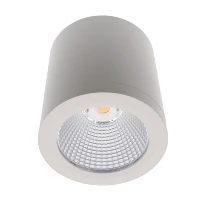
Over the past few years, LED lighting has revolutionized the market for lighting fixtures, and LED bulbs have started to rule general lighting as well. Direct integration of LEDs into items is becoming more and more popular among manufacturers, but is this good for consumers?
Here is a quick breakdown of the benefits and drawbacks of integrated LED lighting fixtures, courtesy of Superior Lighting:
Of course, replacing an integrated light (LED or otherwise) is more challenging than replacing a screw-in bulb, but considering the long lifespan of an LED bulb, is that really a problem? What other issues, if any, should a customer take into account before choosing to buy integrated LED Lighting Fixtures?
Advantages of Integrated LED Lighting Fixtures
greater lifespan rating compared to incandescent or fluorescent bulbs
greater lifetime rating compared to LED screw-in bulbs
greater control over the appearance and output of light
controllable more easily in terms of dimming
Integrated LED bulbs have an even higher lifetime rating than screw-in LED bulbs because of how they are installed. Additionally, they are much more energy-efficient and more aesthetically pleasing.
Light fixtures with integrated LEDs: drawbacks
Compared to a screw-in bulb, installation is more difficult.
Higher upfront costs
Having trouble updating
An integrated LED lighting fixture may have a higher initial cost, but over the course of its lifetime, an LED bulb will more than make up for it in cost savings. Additionally, installation costs may be largely ignored since many LED lights have a lifetime of more than twenty years.


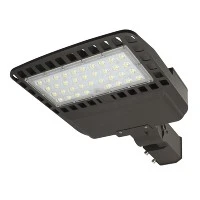
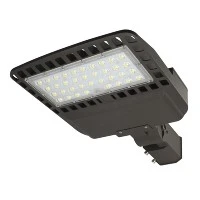
Benwei warehouse led lights:
|
Model |
BW-002-S100W |
BW-002-S150W |
BW-002-S200W |
|
Power(W) |
100W |
150W |
200W |
|
Light Source |
SMD |
||
|
Input Voltage |
AC220-240V/ AC100-305V / 480v 50/60Hz |
||
|
Material |
Aluminum+PC |
||
|
Beam Angle |
60°/90°/120° |
||
|
IP Rating |
IP65 |
||
|
CCT |
3000K / 4000K / 6000K |
||
|
CRI |
Ra>80 |
||