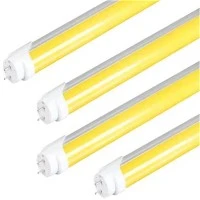
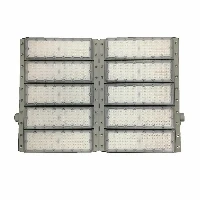
LED lighting has become increasingly popular around the world, as it has numerous benefits over traditional incandescent lighting. However, there is one issue that has arisen with LED lights - flickering. Many people have expressed concerns about the potential dangers of LED flickering, and whether it can have any harmful effects on human health. In this article, we will explore the question: Is LED flickering dangerous?
What is LED Flickering?
LED flickering is a phenomenon that occurs when the illumination output of an LED light fluctuates rapidly, resulting in a flickering effect that is noticeable to the human eye. LED flickering can be caused by several factors, such as poor-quality LED drivers, voltage fluctuations, and electromagnetic interference. While LED flickering is not always noticeable, it can cause discomfort, irritation, and even headaches in some people.
Is LED Flickering Dangerous?
There is no clear evidence that LED flickering is inherently dangerous or harmful to human health. However, it can have negative effects on certain individuals, particularly those who are sensitive to light or have a history of migraines. For such individuals, prolonged exposure to flickering lights can cause discomfort, eye strain, headache, and nausea. In some cases, it may also trigger seizures in people with epilepsy.
Additionally, LED flickering can also interfere with visual performance in certain tasks, such as reading or studying, leading to reduced productivity and increased errors. Therefore, it is essential to ensure that LED lights with a low flicker rate are used in such settings to minimize any potential negative effects.
How to Minimize LED Flickering?
To minimize the risk of LED flickering, it is essential to choose high-quality LED lights from reliable manufacturers. It is also recommended to use LED lights with dimming functions, as they are less likely to flicker than non-dimmable ones. Moreover, LED lights with a lower flicker rate (measured in Hertz) are less likely to cause discomfort or harm to human health.
Furthermore, it is essential to maintain a stable power supply and avoid voltage fluctuations or electromagnetic interference, which can cause LED lights to flicker. Installing LED lights with proper shielding and grounding can also help to minimize flickering.
Conclusion
In conclusion, LED flickering is not inherently dangerous, but it can have negative effects on certain individuals. It is essential to choose high-quality LED lights with a low flicker rate and ensure a stable power supply to minimize the risk of flickering. The use of LED lights in settings such as schools, hospitals, and offices should be done with caution to avoid potential negative effects on visual performance and health. By following these guidelines, LED lighting can be used safely and effectively, reaping its numerous benefits without any negative consequences.