Is Switching To LED Bulb Worth It?
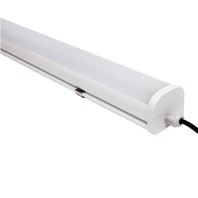
(LED Bulb from BENWEI)
The simplest way to save money
Take a look around your home – how many light bulbs do you have installed? On average, a household in the UK will have roughly 34 light bulbs, each utilizing energy and adding to your home lighting cost. Currently, the average home is spending £77 on lighting, making up 18% of annual energy bills[1]. Living in the dark isn't realistic, even though shutting off your lights is a quick and simple method to stop wasting electricity and save money!
Change to LED
LED technology is the next best solution to turning off a switch. LEDs are the most energy-efficient lighting option, saving energy and significantly lowering your lighting expenses because they use up to 90% less electricity than traditional halogen lights.
LED equals cheaper expenses and a happier world
Using less energy isn’t simply beneficial for your pocket; it’s also an important step in looking after the earth. We must take proactive measures to lower our daily energy consumption, and even small adjustments like switching to LED lighting can have a surprising effect.
You will spend more with your energy provider in just three months than you would on a new LED lightbulb. Making the switch is a no-brainer because you will quickly see a reduction in your energy costs.
Enviro-facts
1. A 50W halogen spotlight can be replaced with a 5W LED, using 90% less energy and producing a lot less CO2 in the process.
2. Since fewer LED bulbs need to be made due to their longer lifespan, less waste and energy are created while developing new technologies.
3. LEDs don't contain dangerous substances like the deadly mercury present in standard lights.
Long-term lighting solution
- An LED spotlight may last up to 10 years, so you won't have to worry about replacing them on a regular basis. LEDs are not simply a temporary remedy. This means the savings you make from installing a single LED will continue for years to come.
- In comparison to earlier forms of lighting, LED also offers a ton of additional advantages.
- It produces little to no UV light. So what? For starters, it is less prone to draw bugs.
- LED operates at a higher frequency flicker rate. This results in less headaches and better lighting for recording home videos because the flicker is not visible to the human eye.
- Less heat energy produced. Because of this, an LED lamp is never going to become uncomfortable to stand underneath because it is much more efficient than, say, a halogen lamp.
- They last a long time. We believe LED lamps are the first type of lighting you take with you when you move home, because they last over 20 years. A true "fit and forget" piece of technology, but remember to bring them along!
- Instant on. LED lighting, in contrast to fluorescent lamps, is entirely electronic and turns on instantly with no warm-up period. For this same reason, they can also be switched on and off thousands and thousands of times (‘switching cycle’) without impacting life expectancy.