It’s Easy Being Green: Let There Be “LED” Light

It's amazing to think that Thomas Edison was able to perfect the first incandescent light bulb back in 1879! Wow, it lasted for an impressive 13.5 hours! It's amazing that incandescent bulbs have been burning for 131 years! However, we can now switch to more energy-efficient options that are better for both our wallets and the environment.
LEDs and other energy-efficient lighting options are becoming increasingly popular and widely available. They operate at 20 percent efficiency, which means there is still room for improvement to increase their efficiency. An incandescent light bulb can last up to 5,000 hours, which is approximately one year.
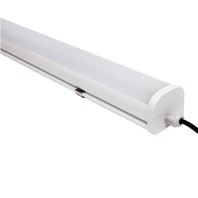
LEDs are becoming increasingly popular and may be the future of lighting, even though incandescent bulbs are becoming less common. LED bulbs are a great choice because they are highly efficient, cost-effective in the long run, and environmentally friendly due to their low energy consumption. LED bulbs have an impressive lifespan of around 50,000 hours, or about 10 years, which is 10 times longer than an incandescent bulb! Although the upfront cost is higher, the longer lifespan of the product will result in significant savings on bulb replacements, operating and maintenance costs, and less waste in landfills.
LED bulbs are amazing! They achieve an impressive 80 percent efficiency and only release 20 percent of their energy as heat. LED light bulbs are a great choice because they use less energy and are more efficient. LEDs have enormous potential to reduce our total energy consumption, from single-family homes to the illumination of whole buildings.
It's great that they are becoming easier to find! It's great that LED lights are so readily available both online and in stores like Home Depot! Exciting news! Home Depot is now offering a variety of affordable LED light bulbs both in-store and online. This is a great opportunity for people to switch to more energy-efficient lighting options. $20 may seem like a lot, but just think, if that one bulb lasts for 10 years, it will be worth it in the long run!
It's amazing to see how much LEDs have become a part of our daily lives! It's amazing how ubiquitous they are! They can be found in digital clock numbers, remote controls, Christmas lights, and even used together in some traffic lights. Implementing their use on a grander scale will definitely have extremely positive effects!
Pittsburgh is a great example! The city is exploring the possibility of upgrading 40,000 high-pressure sodium lamp streetlights to more energy-efficient LED streetlights. By making this energy-efficient move, we could potentially save $1 million in energy costs, $700,000 in maintenance, and reduce carbon dioxide emissions by 6,818 tons!
Although the price of LEDs has been a barrier to their wider use, it's great to see that prices are decreasing faster than expected. Great news! LED light bulbs (one equivalent to a 40-watt incandescent bulb) are now priced under $30, much earlier than experts had predicted. Fortunately, they were mistaken. (2012 is also the year that federal legislation bans the manufacturing of some forms of incandescent light bulbs in the states, and by 2014 most incandescent bulbs will be discontinued, furthering the purpose of LED lights.)
If you're looking for a more affordable option, CFLs are a great alternative to LEDs. They're also much more efficient than incandescent bulbs!
By switching to LED lights in your home, office, or on the streets of your hometown, you can make a positive impact on the environment by reducing energy use and emissions. Additionally, LED lights are free of mercury, which is another great environmental benefit. Be sure to share the benefits of LED lighting with your friends and neighbors! They'll be excited to learn about the positive impact it can have on the environment. You have the opportunity to share your knowledge and spread positivity.