Color temperature is a measurement that shows how much white light has a yellowish or bluish tinge. When it comes to color temperature, high values are bluish and low values are yellowish. It's interesting to note that both high and low color temperature lights appear white to human vision since it corrects for these tints. Only when two sources with various color temperatures are placed next to one another can they appear to be different. Yet, there are additional undetectable implications of these variations that are covered in this article.
William Kelvin's experiments involving heat and a block of carbon in the late 1800s marked the beginning of this measurement. He observed that when the carbon heated, it began to emit a variety of colors as the temperature rose. As greater temperatures were reached, the heated carbon block first gave out a faint red glow and then eventually a dazzling blue-white glow. He observed that the majority of the energy was transformed to heat at lower temperatures.
Why Does Color Temperature Matter?
Color temperature is crucial in the lighting industry because variations in color temperature can have an impact on how colors are perceived, which in turn affects how a space or setting makes you feel. Ironically, on the Kelvin scale, lighting that is characterized as warm or cool is actually quite the contrary.
Cool lights having a higher color temperature than the purportedly warm lights, which have a lower color temperature. Higher Kelvin numbers denote whiter or bluer light, whereas lower Kelvin numbers suggest that a light source seems more yellow. Warm and cold lighting is a term used in the business that describes the psychological effects of lighting rather than its color temperature.
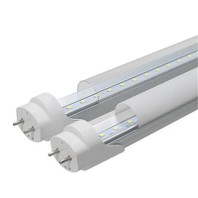
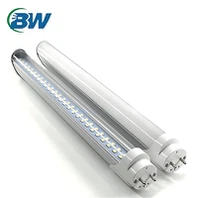
Depending on the setting and application, color temperature is frequently a decision of aesthetics. There are numerous color temperatures for Benwei LED bulbs-cool bright whites to warm yellows. Here is a list of the most popular color temperatures of LED lighting and their typical applications.
-Very Warm White (2200K). This is the lowest color temperature that white light can have without turning yellow. This is also known as candlelight, and it's used in incredibly intimate, low-key settings like around outdoor fireplaces and hot tubs. It is comparable to High-Pressure Sodium (HPS), which is more frequently used for 120v moonlighting and less frequently for street lights.
-Warm White (2700K). It is the most favored color temperature for landscape lighting, much like halogen-style lighting. Compared to higher color temperatures, it is believed to provide a more calming and hospitable psychological effect.
Natural or Warm White (3000K). This temperature is somewhat colder than 2700K, and some landscape lighting experts prefer it. In vegetation, it often draws attention to the greens and blues.
-Cool White (4000K). This is sometimes used to illuminate blue foliage because it is somewhat bluish compared to 2700K. (such as blue spruce). Moreover, moonlight simulation uses it (4200K).

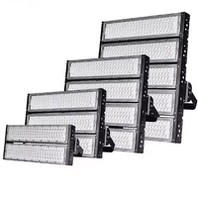
Benwei stadium flood light
【Power】500W 1000W 1500W
【Input Voltage】AC85-265V,400V
【Lighting Effect】150lm/W
【CRI】Ra≥70
【IP Rate】IP66
【Beam Angle】30°/60°/90°optional
【CCT】2700-6500K
【PF】PF≥0.95
【Surge Protection】≥4KV