LED Demand in Emerging Markets: Africa's Lighting Revolution
Introduction: The Growing Need for LEDs in Africa
Africa is experiencing a lighting revolution, driven by urbanization, electrification efforts, and the need for energy-efficient solutions. Unlike mature markets, Africa's LED demand is shaped by unique economic, infrastructural, and environmental factors.
This article explores:
✔ Key drivers of LED adoption in Africa
✔ Market characteristics & consumer preferences
✔ Case studies of successful LED deployments
✔ Challenges & future opportunities
Key Characteristics of LED Demand in Africa
1. High Demand for Off-Grid & Solar-Powered LEDs
600 million Africans lack grid electricity (IEA, 2023).
Solar LED lanterns & home systems dominate rural markets.
Example: M-KOPA (Kenya) sells pay-as-you-go solar LED kits, reaching 3 million households.
2. Price Sensitivity & Affordability
Consumers prioritize low upfront costs over long-term savings.
Average LED bulb price: $2–$5 (vs. $10+ in developed markets).
Trend: Chinese manufacturers supply budget LEDs with shorter lifespans.
3. Preference for Multi-Functional Lighting
Combined solar-LED products (with phone charging) are popular.
Example: d.light's S300 solar lantern doubles as a power bank.
4. Government & NGO-Led Initiatives
Nigeria's National Lighting Project replaced 10 million incandescent bulbs with LEDs.
World Bank's Lighting Africa program certifies quality off-grid LEDs.
Africa's LED Market Breakdown (By Segment)
| Segment | Market Share | Key Products | Growth Drivers |
|---|---|---|---|
| Residential | 45% | Solar bulbs, lanterns | Rural electrification |
| Commercial | 30% | Streetlights, shop lighting | Urbanization |
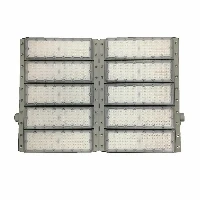
| Industrial | 15% | High-bay lights, floodlights | Mining & construction |
| Public Lighting | 10% | Solar streetlights | Government projects |
Case Studies: Successful LED Adoption in Africa
Case 1: Solar Streetlights in Rwanda
Problem: Only 35% of roads had lighting in 2019.
Solution: Installed 50,000 solar LED streetlights (2020–2023).
Result:
30% reduction in nighttime accidents (Kigali City Report).
20% increase in nighttime commerce.
Case 2: Pay-Go Solar Home Systems in Nigeria
Company: Lumos Global
Model: Lease-to-own solar LED home systems ($10/month).
Impact: 200,000+ households electrified since 2016.
Case 3: LED Replacement in South African Mines
Problem: High energy costs from 1,000W metal halide lamps.
Solution: Switched to 200W LED high bays.
Savings: 60% lower energy use, 2-year ROI.
Challenges in Africa's LED Market
| Challenge | Impact | Potential Solutions |
|---|---|---|
| Counterfeit LEDs | 40% of market (poor quality) | Stricter import controls |
| Limited Financing | High upfront costs | Pay-as-you-go models |
| Weak Grid Infrastructure | Unstable power supply | Hybrid solar-grid systems |
| Low Consumer Awareness | Preference for cheap bulbs | Education campaigns |
Future Trends & Opportunities
1. Smart Solar-LED Hybrids
Example: Azuri's Quad solar system (LED lights + TV + fan).
2. Local LED Manufacturing
Kenya & Ghana are emerging as LED assembly hubs.
3. IoT-Enabled Street Lighting
Lagos (Nigeria) pilots remote-controlled LED streetlights.
4. Energy-Efficient Cooling LEDs
Demand rising for low-heat LEDs in hot climates.
Conclusion: Africa's LED Market Outlook
✅ Off-grid solar LEDs dominate rural demand.
✅ Urban areas need commercial & street lighting.
✅ Price, durability, and multifunctionality drive sales.
✅ Government policies & financing are critical for growth.
Final Thought: Africa's LED market could grow 15% annually (2024–2030). Companies that adapt to local needs will lead this transformation.
Shenzhen Benwei Lighting Technology Co.,Ltd
📞 Tel/Whatsappc +86 19972563753
🌐 https://www.benweilight.com/
📍 F Building, Yuanfen Industrial Zone,Longhua,Shenzhen,China