LED Grow Lights Buyer's Guide
Growing indoor plants can be a challenge in spaces with little to no natural light. This is where LED grow lights come in. As an ideal solution for indoor gardening enthusiasts, these tools promote optimal plant development, allowing you to pursue your passion for gardening even in homes with minimal sunlight.
LED grow lights offer significant benefits for your plants. This comprehensive buying guide will help you understand the key factors to consider when selecting the right LED grow lights for different plant types and growth stages. By the end, you'll know exactly how to choose the best grow lights for your needs. Whether you're a seasoned farmer or just starting out, understanding the specifics of LED grow lights is essential for successful indoor cultivation.

Why Choose LED Grow Lights?
LED grow lights are indispensable for indoor gardening. Here are some of their key benefits for plant growth:
Energy Efficiency: LEDs are far more energy-efficient than traditional lighting options like incandescent, fluorescent, or HID lights. They consume less power while delivering the same or even greater light output, leading to lower electricity bills and a reduced carbon footprint.
Long Lifespan: Known for their durability, LED lights can last up to 50,000 hours or more, significantly outperforming other grow lights. This reduces replacement frequency and costs, making them a cost-effective long-term solution for maintaining indoor plants.
Low Heat Emission: A major advantage of LEDs is their low heat output. Unlike traditional lights that can produce excessive heat and damage plants, LEDs operate at cooler temperatures. This minimizes the risk of heat stress and allows you to place lights closer to plants for better light penetration.
Improved Plant Growth: The low heat emission of LEDs prevents high temperatures from hindering plant development. Furthermore, the precise control over light spectrum enables more efficient photosynthesis, resulting in faster growth, healthier foliage, and higher yields-especially beneficial for commercial growers.
Optimal Light Spectrum: LED grow lights can be fine-tuned to emit specific light spectrums tailored to different plants and growth stages. This customizability ensures your plants receive the ideal light for healthier growth and improved productivity.
Cost-Effectiveness: While the initial investment in LED grow lights may be higher than traditional options, the long-term savings on energy, maintenance, and replacements make them a financially sound choice. Enhanced growth efficiency and better yields further justify the investment.
Eco-Friendly: LED lights are environmentally friendly, containing no harmful chemicals like mercury (found in some traditional lights). Their energy efficiency and long lifespan also contribute to waste reduction and resource conservation.

Choosing the Right Grow Light for Your Plants
The first step is identifying your plants' specific needs before searching for the perfect lighting solution. Different plant species require unique light spectrums and intensities. Consider the following criteria to make an informed decision:
Plant Types: Different plants have distinct light preferences. Leafy greens and herbs thrive under blue light during the vegetative stage, while flowering plants benefit from red light during the bloom phase.
Growth Stage: Understanding your plants' developmental phases is crucial. Seedlings and vegetative growth have different light requirements compared to the flowering stage. Look for LED grow lights with adjustable spectrums to accommodate each growth phase.
Growing Space: Assess the size of your growing area. LED grow lights come in various sizes and coverage areas. Ensure the light you choose provides even illumination across your entire garden for consistent growth.
Budget: LED grow lights are available at different price points. An expensive option isn't necessarily the best for your garden. Balance your needs with affordability, keeping in mind the long-term benefits of your initial investment.

Key Considerations in LED Grow Light Selection
If you're new to indoor farming or gardening, you might wonder: How do I choose grow lights for seed starting? Or what color is best for vegetables? Carefully consider these important factors to ensure the best decision:
PPFD (Photosynthetic Photon Flux Density): PPFD measures the amount of light energy (in photons) that reaches your plants per second. Plants need different PPFD levels at various growth stages. Seedlings require lower PPFD, while mature plants need higher intensities for robust development.
Choosing the Right PPFD for Different Growth Stages:
Best PPFD for Seedlings: 100-300 μmol/m²/s
Best PPFD for Vegetative Stage: 200-600 μmol/m²/s
Best PPFD for Flowering: 600-1000 μmol/m²/s
Light Spectrum: The spectrum refers to the range of light wavelengths your plants receive. A full-spectrum light is ideal as it mimics natural sunlight, providing all the wavelengths plants need. Blue light is crucial for vegetative growth and strong stems, while red light promotes flowering and fruiting.
Adjustability: Opt for LED grow lights with customizable spectrum and intensity settings. This feature allows you to tailor the light output to meet the specific needs of your plants throughout their growth cycle.

Navigating LED Grow Light Types
LED grow lights come in various forms, each with distinct advantages. Understanding these types will help you select the most suitable option for your indoor garden:
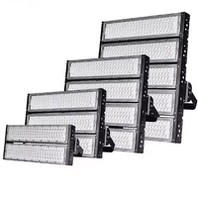
Panel Designs: Traditional LED panels are cost-effective and provide uniform light distribution, making them ideal for small to medium-sized gardens and beginners.
Spread-Style LEDs: Quantum Boards and Spider LEDs offer wider coverage areas. Quantum Boards are known for high efficiency with low-wattage diodes, while Spider LEDs feature multiple arms for compact designs and excellent performance.
Chip on Board (COB) Lights: COB LEDs deliver high-intensity light in a focused area. They are suitable for smaller spaces but typically have higher power consumption compared to other types.
Which Color Light is Most Effective?
The light spectrum includes red, orange, yellow, green, blue, and violet. While plants absorb all colors to some extent, they benefit most from the blue and red ends of the spectrum. When purchasing a grow light, check the provided spectrum on the packaging. A full spectrum is ideal, or a combination of red and blue is also effective. Different colors serve different purposes:
Blue and Violet Light: Essential for chlorophyll production, promoting strong vegetative growth and sturdy foliage.
Red Light: Necessary for flowering and fruiting. Use with caution, as excessive red light can harm plants; a balanced mix with blue is recommended.
Green and Yellow Light: Offer minor benefits for seed germination but are generally not essential for plant growth.

Additional Considerations for a Comprehensive Purchase
Controller Compatibility: Look for LED grow lights that are compatible with controllers. Synchronized lighting changes that mimic dawn and dusk cycles create a more natural and beneficial environment for your plants.
Driver and LED Chipset Quality: Choose grow lights with reliable drivers and high-quality, reputable LED chipsets (like Samsung, Bridgelux, or Osram) for better energy efficiency, performance, and longevity.
Make the Right Investment for Your Plants
Investing in the right LED grow light is crucial for a successful indoor garden. We hope this buyer's guide assists you in making a smart selection for a thriving indoor garden. Whether for commercial or residential use, lush greenery can enhance the character and value of any space. Remember to understand your plants' unique requirements, consider key parameters like PPFD and spectrum, and carefully evaluate the adjustability of different LED grow lights. Most importantly, balance your budget with the long-term benefits the lights will provide. Choosing the right LED grow light will make your indoor gardening experience more productive and enjoyable, whether you're cultivating flowers, vegetables, or herbs.