Using LED Grow Panels to cultivate vegetables throughout the year (including corn, tomatoes, and other vegetables) is a game-changer.
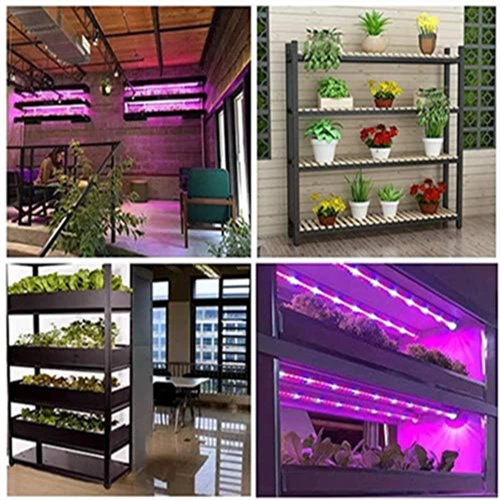
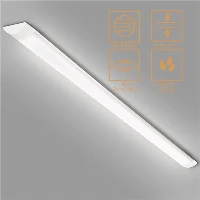
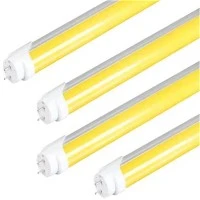
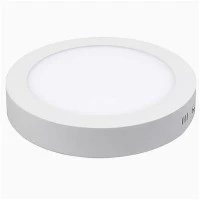
LED Grow Panels have emerged as a breakthrough instrument in the realm of indoor and controlled-environment agriculture. They have the potential to alter the way in which we cultivate vegetables such as maize, tomatoes, and other crops by overcoming the limits of natural sunlight. In contrast to standard LED lights, which are designed to maximize human visibility, LED Grow Panels are specialist lighting systems that are designed to output exact wavelengths of light that are specifically customized to meet the specific photosynthetic requirements of plants. The primary light spectrums that plants require for growth are blue light (400-500 nm) for leaf development and root establishment, and red light (600-700 nm) for flowering, fruiting, and overall biomass production. These flat, modular panels (often slim and lightweight, ideal for space-constrained areas) deliver targeted illumination that mimics or enhances the key light spectrums that plants rely on for growth. They are able to adapt to the special requirements of high-demand crops such as corn, which is a grain that thrives in the sun and has a tall stature, and tomatoes, which is a fruiting vine that requires regular light for blossoming and fruit set. This flexibility is what makes them particularly beneficial for vegetable farmers. LED Grow Panels transform "out-of-season" into "always in season," making it possible to harvest vegetables of a consistent and high-quality regardless of the weather, climate, or geographic location. These panels may be utilized in commercial vertical farms, indoor grow tents, or even in residential balconies.
Spectral tuning accuracy is one of the distinguishing characteristics of LED Grow Panels. This advantage directly tackles the distinct development cycles of plants such as maize and tomatoes, which are both distinct from one another. Corn, which is a C4 plant that has high light requirements, thrives in intense, full-spectrum light. When it is in the seedling stage, it requires strong blue light to develop sturdy stems and healthy root systems. When it is in the grain-filling stage, it requires increased red light to support the formation of plump, nutrient-dense kernels. In order to meet these requirements, LED Grow Panels may be adjusted to modify the blue-red ratio (which normally ranges from 1:1 to 1:5, depending on the growth stage). This ensures that maize plants receive the precise light "diet" that they require at each step of developmental development. When it comes to tomatoes, a fruiting food that is highly dependent on light for flower pollination (even indoors, where natural pollinators are sparse) and fruit ripening, the capacity of the panels to maintain continuous light intensity (measured in photosynthetic photon flux density, PPFD) is of the utmost importance. During the vegetative stage, tomatoes require a PPFD concentration of 200-400 μmol/m²/s. During the blooming and fruiting stages, they require a PPFD concentration of 400-600 μmol/m²/s. LED Grow Panels are able to provide these levels without the heat buildup that is associated with traditional grow lights, such as HPS or MH lamps. LED Grow Panels produce consistent and uniform light, in contrast to natural sunshine, which changes in strength and spectrum throughout the day and season. This prevents tomato plants from experiencing stress (such as blossom drop) as a result of oscillations in light. The spectral accuracy of this technology not only helps to promote growth, but it also helps to optimize it, which results in faster maturity, larger yields, and improved nutritional content in corn and tomatoes alike.

The great energy economy and low heat output of LED Grow Panels for vegetable production are two other essential advantages. When compared to standard grow lights, these two features result in a significant reduction in expenditures and an improvement in plant health. LED Grow Panels waste two to three times more energy than traditional high-pressure sodium (HPS) lights, which were formerly commonly used for growing vegetables inside. Additionally, LED Grow Panels generate an excessive amount of heat. As an illustration, a 600W HPS lamp produces sufficient heat to need the installation of extra ventilation or cooling systems, which contributes to the expense of energy. On the other hand, a 200W LED Grow Panel produces a similar or greater PPFD for maize or tomatoes while producing a small amount of heat. As a result of this efficiency, a home grower that cultivates four tomato plants under a 200W LED Panel for twelve hours per day would require just 876 kWh yearly, in contrast to the 2,628 kWh that would be consumed by a 600W HPS lamp. This would result in a savings of almost 260 kWh per year, assuming an average of 0.15 per kWh. These cost reductions are even more important for commercial producers that are growing hundreds of maize or tomato plants, as they reduce the amount of money spent on operations while also leaving a smaller carbon imprint. Additionally, the low heat output minimizes the possibility of heat stress, which is a typical problem with high-pressure sodium lamps (HPS) and can cause damage to tomato blooms or burn maize leaves. LED Grow Panels can be mounted closer to plants (often somewhere between 12 and 24 inches above the canopy) without causing any damage. This allows them to maximize the amount of light that is absorbed, making them an ideal choice for vertical farming setups where space is tight.
Additionally, LED Grow Panels are exceptional in terms of their versatility and adaptability, making them suitable for both small-scale home growers and big commercial operations focused on the cultivation of maize, tomatoes, and other crops. The small and lightweight form of LED Grow Panels makes it possible for them to be easily installed on shelves, walls, or grow tents, making them ideal for home users who have limited space options, such as apartment residents who only have an indowsill. A single 100W panel is capable of supporting two to three tomato plants in a grow tent that is two feet by two feet. This quantity of light is sufficient for the plants to develop from seedlings to fruit-bearing vines. It is possible to place panels on movable racks for maize, which grows higher than tomatoes. This gives producers the ability to elevate the light when the plants reach their peak height, which may be anywhere from six to eight feet for some grape kinds.

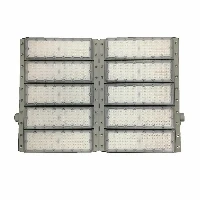
Commercial farmers, on the other hand, make use of arrays of LED produce Panels in vertical farms. These farms are designed to produce maize and tomatoes in stacked layers, which results in a space efficiency that is twice or even three times greater than that of conventional soil-based farming. A vertical farm that is 1,000 square feet in size and uses LED Grow Panels can produce the same amount of corn or tomatoes as an outdoor farm that is 5,000 square feet in size. This vertical configuration is especially useful in metropolitan settings, where land is in relatively short supply. Growers are able to easily scale their systems thanks to the modular design of the panels. This allows them to add more panels as their crop volume increases, or adjust the number of panels per growing area to match the light requirements of various vegetables (for example, more panels for light-hungry corn and fewer panels for shade-tolerant greens).
Additional advantages, such as their longevity and minimal maintenance requirements, make LED Grow Panels an attractive option for the growing of vegetables over an extended period of time. LED Grow Panels have a lifespan of 50,000-100,000 working hours, which is comparable to 10-20 years of continuous usage for a home grower. This is in contrast to HPS lamps, which require bulb replacements every 6,000-10,000 hours (about 1-2 years with 12 hours of daily use). This implies that producers won't have to continually buy and install new bulbs, which will reduce both the cost and the amount of difficulty they experience. The panels are also constructed to endure the humid conditions that are typical in indoor growing environments (including situations in which moisture levels are maintained at high levels to support the development of maize and tomatoes). The majority of the variants include an ingress protection rating of IP65 or above. Because of its dustproof and waterproof construction, the panels are protected from harm caused by humidity or accidental water splashes, ensuring that they continue to work properly even in moist environments. When it comes to commercial growers, this longevity translates to cheaper maintenance costs and fewer downtime, which is essential for companies that rely on steady light to fulfill harvest deadlines.
It is possible that the most significant advantage that LED Grow Panels offer to farmers of maize and tomatoes is their capacity to facilitate cultivation throughout the whole year. Corn thrives in moderate temperatures (70-85 degrees Fahrenheit) and requires 70-100 days of frost-free weather, whilst tomatoes require even longer (85-120 days) and are sensitive to cold. The outdoor cultivation of both crops is restricted by the season. If the weather is suitable, this indicates that there will only be one harvest every year in locations that are considered to be moderate. By eliminating this constraint, LED Grow Panels make it possible for producers to plant seeds of maize or tomatoes in the winter, harvest them in the spring, and then immediately replant them for a second or third harvest in the fall period. For instance, a home grower in a climate that is more northern can use LED Grow Panels to cultivate two cycles of tomatoes in a single year. The first cycle begins with the planting of seeds in January, and the harvest occurs in May. The second cycle is planted in June, and it is harvested in October. In the meanwhile, commercial producers have the ability to harvest three to four harvests of maize or tomatoes each year, which dramatically increases both their productivity and their earnings. This year-round production not only decreases the reliance on imported veggies, which sometimes lose their freshness during transportation, but it also enables producers to provide consumers with locally grown produce that is free of pesticides (since indoor farming reduces the amount of insect exposure).
A further enhancement of the utility of LED Grow Panels for vegetable production is achieved by the integration of smart technology, which makes the panels simpler to operate and more effective. Growers are able to manage light cycles to follow the natural "day-night" rhythm of maize and tomatoes thanks to the fact that many current panels come with built-in dimming controls and programmable timers. When tomatoes are in the vegetative stage, they require 14-16 hours of light each day, but when they are in the fruiting stage, they require 12-14 hours. A smart LED Grow Panel may be programmed to switch on and off automatically, ensuring that they receive continuous light exposure without the need for any intervening human intervention. A number of panels may also link to smartphone applications or Internet of Things (IoT) devices, which gives gardeners the ability to remotely monitor and alter the light intensity, spectral ratio, and timing of their plants. This is especially helpful for commercial growers who are responsible for managing huge arrays of panels since it allows them to make modifications inside a single dashboard rather than having to manually examine each panel individually. The simplicity of this feature is also advantageous for home producers, as it allows them to make adjustments to the light settings for their maize or tomatoes even when they are away from their residence. This ensures that their plants do not miss any crucial growth period.
LED Grow Panels offer a number of important benefits, one of which is sustainability, which is in line with the increasing need for environmentally responsible agricultural methods. As opposed to fluorescent or high-pressure sodium (HPS) bulbs, LED technology does not contain any mercury or other harmful compounds. This makes the panels safer to dispose of and reduces the amount of damage they cause to the environment. In addition, their energy efficiency results in fewer carbon emissions. For example, a commercial farm that grows maize and tomatoes using 100 LED Grow Panels, each of which is 200W, would cut the amount of carbon dioxide emissions by roughly 15 tons yearly when compared to the use of 100 HPS lamps that are 600W. Indoor farming with LED Grow Panels consumes 90 percent less water than conventional outdoor farming because water is recycled in closed systems and is not lost to evaporation or runoff. This results in a significant reduction in water use. In locations that are experiencing drought, where it may not be possible to sustainably grow maize and tomatoes outside, this water efficiency is of the utmost importance. Home growers will see reduced water waste and cheaper utility bills as a result of this, while commercial farmers will be able to minimize their water expenses and satisfy their sustainability targets.
In conclusion, LED Grow Panels are more than simply a lighting solution; they are a revolutionary instrument that reimagines the way in which we cultivate plants such as maize and tomatoes. Their adaptability makes them accessible to producers of all scales, their spectral accuracy promotes plant development at every stage, and their energy efficiency minimizes expenses and decreases environmental impact. In addition, their versatility makes them more cost-effective. You may use LED produce Panels to get consistent and dependable results, regardless of whether you are a home gardener who wants to produce fresh tomatoes on your property throughout the year or a commercial farmer who wants to optimize corn yields in an urban vertical farm arrangement. LED Grow Panels will continue to be at the forefront of contemporary agriculture as the demand for locally grown, environmentally friendly, and year-round produce continues to climb. These panels demonstrate that using the appropriate lighting, it is possible to cultivate bountiful and nutritious vegetables in any location and at any time.
Together, we make it better.
Shenzhen Benwei Lighting Technology Co.,Ltd
Mobile/Whatsapp :(+86)18673599565
Email:bwzm15@benweilighting.com
Skype: benweilight88
Web: www.benweilight.com
Add:F Building,Yuanfen Industrial Zone,Longhua,Bao'an District,Shenzhen, China