LED High Bay Guides
Describe LED high bay
In vast indoor buildings with high ceilings, such as warehouses, factories, and gymnasiums, high-intensity illumination is provided by an LED high bay kind of lighting fixture. The lighting provided by these fixtures often uses LED (light-emitting diode) technology, which uses less energy than conventional high-intensity discharge (HID) lights like metal halide and high-pressure sodium lamps.
LED high bays may have reflectors or lenses to direct the light output downwards towards the work or activity area, and they are frequently strung from the ceiling with chains or hooks. To resist the severe industrial settings, they are frequently built with tough, durable materials. They may also have cutting-edge controls or sensors to further improve their performance and energy efficiency.
varieties of LED high bays?
The market offers a number of different types of LED high bay lighting fixtures, each with a distinctive style and functionality to accommodate various indoor lighting applications. Some of the most popular kinds of LED high bays are listed below:
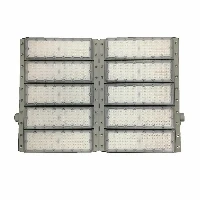
High-intensity discharge (HID) lighting fixtures like metal halide and high-pressure sodium lamps are being replaced with standard LED high bays. In order to offer effective, long-lasting lighting, they normally have a cylindrical or rectangular shape and are equipped with a heat sink and an LED driver.
UFO LED High Bays: These luminaires get their name from their typically round and small UFO-shaped design. Compared to conventional LED high bays, they are frequently lighter and more compact, and they could have integrated motion sensors or other cutting-edge controls to enhance their functionality and energy efficiency.
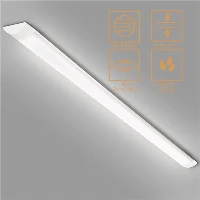
High-intensity lighting in linear or rectangular locations, such as aisles or corridors in warehouses or retail stores, is provided by linear LED high bays. They typically have a long, narrow design and can either be suspended from chains or cables or installed flush to the ceiling.
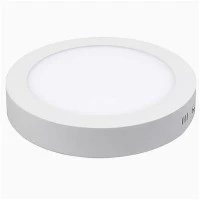
Low Profile LED High Bays: These lighting fixtures are made to give high-intensity illumination in locations with lower ceiling heights, including parking garages, workshops, or retail establishments. They often have a low-profile, compact form that enables mounting them close to the ceiling without taking up a lot of room.
Induction LED High Bays: These fixtures provide high-intensity lighting with extended lifespans and little maintenance. They do this by combining LED with induction technology. Even though they are frequently more expensive than standard LED high bays, they could be a useful option for applications where regular bulb replacements or maintenance are challenging or expensive.
Two well-liked lighting options for industrial and commercial applications are ED high bay lighting and metal halide lighting. Some of the main variations between the two are as follows:
Energy effectiveness: Compared to metal halide lights, LED high bay lights are significantly more energy efficient. When compared to metal halide lights, LED lights may often save up to 70% of their energy consumption.
Lifespan: Typically lasting up to 100,000 hours compared to 10,000–20,000 hours for metal halide lights, LED high bay lights have a substantially longer lifespan than metal halide lights.
care: Since they don't need to be changed as regularly and don't require the same level of ongoing care as metal halide lights, LED high bay lights require a lot less maintenance than those latter types of lights do.
Colour temperature: Compared to metal halide high bay lights, LED high bay lights offer a larger variety of colour temperatures, enabling greater customization and better lighting.
Instant on/off: Unlike metal halide lights, which need time to warm up before reaching full brightness, LED high bay lights can be turned on and off immediately.
Heat emission: Compared to metal halide high bay lights, LED high bay lights produce significantly less heat, making employees more comfortable and requiring less cooling equipment.
Overall, LED high bay lights are better than metal halide high bay lights in terms of energy efficiency, lifespan, ease of maintenance, and lighting quality. While LED high bay lights may initially cost more than metal halide high bay lights, over time, the energy and maintenance savings make them a more affordable and ecologically responsible lighting option.
High-bay LED applications
When high-intensity lighting is required in areas with high ceilings, a variety of industrial and commercial applications frequently use LED high bay lighting fixtures. The following are some of the most typical uses for LED high bays:
Warehouses: Large, open spaces like warehouses and distribution centres are best lit with LED high bays. They offer even, bright illumination that makes it easier for personnel to see clearly and move about the area safely.
Manufacturing Facilities: To support a range of jobs, such as assembly, inspection, and packing, manufacturing facilities frequently have high ceilings and demand accurate lighting. LED high bays minimise energy use while providing the required lighting to assist these jobs.
Gyms and Sports Facilities: To support a variety of activities including basketball, volleyball, and gymnastics, gyms and sports facilities need bright, steady lighting. The necessary lighting is provided by LED high bays, which also reduce glare and shadows.
Retail businesses: In order to highlight merchandise and provide a welcoming environment for customers, retail businesses frequently need high-intensity lighting. LED high bays can deliver the required lighting while requiring less upkeep and energy.
Parking Garages: To promote secure navigation and safety, parking garages need strong, even illumination. LED high bays can deliver the required lighting while lowering operating costs and enhancing visibility.
Exhibition Halls: To display artwork, exhibits, and other displays, exhibition halls need high-intensity lighting. LED high bays can deliver the required lighting while consuming the least amount of energy and requiring the least amount of maintenance.