LED Lights and Blue Light Health Risks

So what exactly is wrong with blue light?
Blue light by itself does not provide a risk. In actuality, blue light from the sun does precisely what it is intended to do—keep us awake and aware throughout the day. Our circadian rhythm is kept healthy and regular by exposure to blue light from the sun, which promotes sound sleep and alertness throughout the day.
Blue light, however, becomes an issue after the day is over. Our brain may believe that it is still sunlight when exposed to blue light from artificial sources like computer displays, phone screens, and LED lights with lower color temperatures. Then, when it's time to go to sleep, our bodies are not prepared to do so.
Therefore, even while blue light is not intrinsically dangerous, excessive exposure at night may result in restless sleep, which can create problems with both physical and mental health. Another issue is a lack of blue light. For instance, preliminary evidence indicates that Seasonal Affective Disorder may be brought on by a lack of sunlight (SAD). Additionally, poor lighting may put people's health and safety at risk in business environments due to poor visibility.
When it comes to blue light, balance and moderation are essential, just as with so many other aspects of health. Are you curious to know more about blue light? Read about what blue light is and how it functions.
Are LED lights damaging to skin, even though their blue light is safe?
LED lights are safe for skin since they don't include UV radiation. Studies have even shown that certain forms of LED light treatment may help with skin issues including acne and scars.
Uses for Safe LED Lighting
LED lights may be utilized in a variety of household and commercial applications without risk. Modern LED technology makes it feasible to do all of these things, whether you want to simulate sunshine for daytime alertness, provide dependable task lighting, or fill your house with cozy illumination at night.
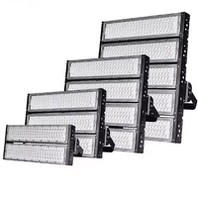
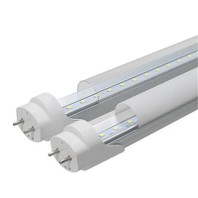
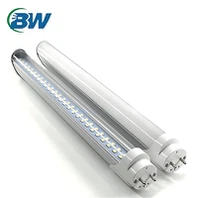
Commercial LED applications include luminaires, linear tube lighting, high bay LED lights for warehouses and other sizable industrial locations, and regular LED lamps.
Red and blue light are frequently balanced in LED lighting. If the lights will be utilized at night and you are worried about blue light, choose LED bulbs that are on the red side of the spectrum.
The color temperature rule is the most practical one. If used at night, color temperatures below 2700K, often referred to as "warm white" bulbs, will provide warmer light and be less likely to disrupt your circadian cycle.
Additionally advantageous is selecting lighting with a high Color Rendering Index (CRI). Less blue light and more pleasing, true-to-life colors are shown when the CRI is high.
The M/P ratio will tell you how much blue and red light is there, so check your lights or contact your manufacturer about it. If you want to reduce your exposure to blue light, look for bulbs with an M/P ratio of 0.4 or less.
But keep in mind that these recommendations are less likely to be applicable if your lights will be utilized during the day. Exposure to blue light throughout the day is not thought to pose significant dangers, according to research. The next healthiest alternative to natural light for daytime illumination is bright, white LEDs that closely resemble sunshine.
The TCP's Safest Light Bulbs
If you are worried about blue light, pay attention to color temperature while buying LED lights. While blue light is often not a problem during the day, warm color temperatures will avoid harmful impacts on health if your lights are utilized at night.
TCP offers several commercial lighting options in various color temperatures. Warmer temperatures maintain a steady circadian cycle as the sun sets, while brighter daylight-imitating alternatives keep workers up and aware throughout the day.
Contact us right now if you need help creating a lighting system with employee wellness in mind! TCP's lighting specialists can steer you toward secure, cost-effective LED lights since they have expertise with specialized commercial lighting design.
For lighting alternatives that are wholesome, secure, and economical to use, go through our commercial LED solutions.