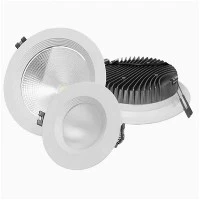
LED round panel lights have become a staple in both commercial and residential lighting schemes, gracing offices, retail stores, living rooms, and kitchens alike. Their sleek profile, uniform illumination, and space-saving design make them a top choice for modern lighting projects. Yet, despite their widespread adoption, a slew of misconceptions still linger regarding their performance, cost-effectiveness, and environmental footprint. These myths often deter consumers from making informed decisions when upgrading their lighting systems. To help you navigate the world of LED round panel lights with confidence, this article will dismantle the most prevalent myths, shedding light on their true advantages and dispelling unfounded concerns.

Myth 1: LED Lights Are Too Expensive
Understanding Upfront Costs vs. Long-Term Savings
The belief that LED lights are prohibitively expensive is one of the most persistent misconceptions. It's true that LED round panel light fixtures typically carry a higher upfront price tag compared to traditional incandescent or fluorescent bulbs. A basic incandescent bulb may cost just a fraction of an LED fixture, but this surface-level comparison fails to account for the long-term economic benefits of LED technology.
LEDs are renowned for their exceptional energy efficiency. Unlike incandescent bulbs, which waste up to 90% of their energy as heat, LEDs convert nearly all electrical energy into visible light. This translates to drastically lower electricity bills over the lifespan of the fixture. Moreover, LED round panel lights boast an impressive operational lifespan, often exceeding 25,000 hours-some high-end models can even last up to 50,000 hours. In contrast, incandescent bulbs typically burn out after a mere 1,000 hours, and fluorescent tubes top out at around 8,000–10,000 hours. This extended longevity means far fewer replacements, slashing maintenance costs significantly, especially in commercial settings where bulb replacement involves labor expenses and downtime.
In addition, advancements in manufacturing technology have driven down the cost of LED components in recent years. Modern LED round panel lights incorporate cutting-edge heat dissipation systems, such as aluminum alloy heat sinks, which not only enhance durability but also boost energy efficiency by preventing overheating. This innovation allows consumers to enjoy the full benefits of LED lighting without the burden of frequent replacements and associated disruptions.
Total Cost of Ownership: A Comprehensive Comparison
When evaluating the cost of a lighting system, it's essential to consider the total cost of ownership (TCO)-a metric that includes upfront purchase costs, energy consumption, maintenance expenses, and replacement costs over the fixture's lifetime. For LED round panel lights, the higher initial investment is quickly offset by substantial savings in energy bills and maintenance.
Let's take a practical example: A standard 15-watt LED round panel light emits the same amount of brightness as a 60-watt incandescent bulb. If the light is used for 8 hours a day, 365 days a year, the incandescent bulb will consume 175.2 kilowatt-hours (kWh) of electricity annually, while the LED fixture will use only 43.8 kWh. At an average electricity rate of $0.15 per kWh, the incandescent bulb costs $26.28 per year to operate, whereas the LED costs just $6.57-a yearly saving of $19.71. Over the LED's 25,000-hour lifespan, the energy savings alone amount to hundreds of dollars, dwarfing the initial price difference.
Furthermore, many utility companies offer financial incentives, rebates, and tax credits to encourage the adoption of energy-efficient lighting solutions. These programs can significantly reduce the upfront cost of LED installations, making them even more economically viable. As global demand for LED technology continues to surge, prices are expected to drop further, cementing LEDs as a cost-effective choice for both homeowners and businesses.
Myth 2: LED Lights Don't Have Enough Brightness
Brightness Demystified: Lumens vs. Watts
Another common misconception is that LED lights lack sufficient brightness. This misunderstanding stems from a long-standing habit of equating wattage with brightness-a practice that was valid for incandescent bulbs but is irrelevant for LEDs. For incandescent bulbs, higher wattage meant more energy consumption and, consequently, brighter light. However, LEDs operate on an entirely different principle, rendering wattage an unreliable indicator of brightness.
The true measure of a light source's brightness is the lumen (lm). A lumen quantifies the total amount of visible light emitted by a fixture. Thanks to leaps in LED chip technology, manufacturers can now produce LED round panel lights that deliver high lumen outputs with minimal wattage. For instance, a 10–15 watt LED round panel light can emit 800–1,200 lumens, which is equivalent to the brightness of a 60–75 watt incandescent bulb. This exceptional efficiency allows LEDs to brightly illuminate any space, from sprawling commercial warehouses and bustling retail outlets to cozy residential bedrooms and compact home offices.
Understanding the relationship between lumens and wattage is key to selecting the right lighting solution. When shopping for LED round panel lights, consumers should prioritize the lumen rating rather than the wattage. This ensures that they get the desired brightness level while maximizing energy savings.
Tailoring Brightness to Diverse Applications
Brightness requirements vary drastically depending on the space and its intended use. A bedroom, for example, benefits from soft, ambient lighting (around 400–800 lumens) to create a relaxing atmosphere, while a kitchen or workshop demands bright, task-oriented lighting (1,000–2,000 lumens or more) to facilitate precision work.
LED round panel lights excel in meeting these diverse needs, as they are available in a wide range of lumen outputs. What's more, many modern models come equipped with dimmable features, allowing users to adjust the brightness level to suit different activities and times of day. Some advanced LED systems even support smart dimming via smartphone apps or voice assistants, offering unparalleled convenience and flexibility.
Beyond brightness, LED round panel lights also offer a spectrum of color temperatures, ranging from warm white (2700K–3000K) to cool white (4000K–5000K) and daylight (5000K–6500K). Warm white light mimics the cozy glow of incandescent bulbs, making it ideal for living rooms and bedrooms. Cool white light provides a crisp, clear illumination that enhances focus and productivity, perfect for offices and kitchens. Daylight color temperatures replicate natural sunlight, making them a great choice for art studios, retail displays, and spaces where color accuracy is crucial. This versatility in brightness and color temperature allows designers and homeowners to craft customized lighting environments that align with their specific needs and aesthetic preferences.

Myth 3: LED Lights Emit Cold, Harsh Light
The Science of Color Temperature
For many people, the mention of LED lights conjures up images of the harsh, bluish glow associated with early LED technology. This outdated perception has led to the myth that all LEDs emit cold, unflattering light that lacks warmth and ambiance. In reality, modern LED round panel lights offer a diverse range of color temperatures, measured in Kelvin (K), enabling users to select the perfect light tone for any space.
Warm White (2700K–3500K): This range produces a soft, yellowish light similar to traditional incandescent bulbs. It creates a warm, inviting atmosphere, making it ideal for residential spaces like living rooms, bedrooms, and dining areas, as well as hospitality settings such as hotels and restaurants.
Cool White (4000K–5000K): Cool white light has a neutral, slightly bluish hue that enhances clarity and visibility. It is well-suited for commercial spaces like offices, retail stores, and hospitals, as well as residential areas like kitchens and garages, where task performance is a priority.
Daylight (5000K–6500K): This color temperature mimics natural outdoor sunlight, providing bright, vibrant illumination. It is perfect for spaces where color accuracy is essential, such as art galleries, photography studios, and workrooms, as well as areas that require maximum visibility, like parking lots and security lighting.
Manufacturers of LED round panel lights now offer fixtures with adjustable color temperatures, allowing users to switch between warm and cool tones depending on the occasion or time of day. This level of customization was unheard of with traditional lighting technologies.
Lighting Design and Personal Preference
The perception of light quality is highly subjective, varying from person to person based on individual preferences and the intended use of the space. Some people prefer the crisp, energizing glow of cool white LEDs for work and study, while others favor the cozy, relaxing ambiance of warm white light for leisure and rest.
When designing a lighting scheme, it's crucial to consider both personal preference and the functional requirements of the space. For example, a home office might benefit from a combination of cool white overhead LED round panel lights for focused work and warm white desk lamps for task lighting during evening hours. In a retail store, warm white lights can be used to highlight clothing and home goods, creating an inviting shopping experience, while cool white lights can illuminate electronics and appliances to showcase their features clearly.
By selecting LED round panel lights with the appropriate color temperature, users can create lighting environments that are not only functional but also aesthetically pleasing and comfortable. The days of LEDs being limited to cold, harsh light are long gone-today's LEDs offer a spectrum of tones to suit every taste and application.
Myth 4: LED Lighting Offers No Environmental Benefits
Unmatched Energy Efficiency for a Greener Planet
Contrary to the myth that LED lighting has no environmental advantages, LEDs are among the most eco-friendly lighting solutions available today. Their greatest environmental benefit lies in their exceptional energy efficiency. As mentioned earlier, LEDs convert up to 95% of electrical energy into light, compared to just 10% for incandescent bulbs. This dramatic reduction in energy consumption directly lowers the demand for electricity, much of which is generated by burning fossil fuels like coal and natural gas.
By cutting down on fossil fuel usage, LED lighting helps to reduce greenhouse gas emissions, a major contributor to global climate change. According to the U.S. Department of Energy, widespread adoption of LED lighting could reduce U.S. energy consumption for lighting by nearly 50% by 2035, resulting in a reduction of more than 1,800 million metric tons of carbon dioxide emissions-equivalent to taking over 360 million cars off the road for a year.
Furthermore, LED round panel lights have a significantly longer lifespan than traditional bulbs, which means fewer bulbs end up in landfills. Conventional fluorescent bulbs contain mercury, a toxic heavy metal that can leach into the environment if not disposed of properly. LEDs, on the other hand, are mercury-free, eliminating the risk of environmental contamination. This makes them a much safer choice for both human health and the planet.
Sustainable Disposal and Recycling Initiatives
As LED technology continues to evolve, so too do efforts to ensure its sustainable lifecycle. While LEDs last longer than traditional bulbs, they will eventually reach the end of their useful life. To address this, many manufacturers and retailers have launched LED recycling programs. These programs collect used LED fixtures, disassemble them, and recover valuable materials such as aluminum, copper, and semiconductor chips for reuse in new products. This not only reduces the amount of electronic waste sent to landfills but also conserves natural resources by minimizing the need for virgin materials.
In addition, the compact design of LED round panel lights means they require less raw material to manufacture than traditional lighting fixtures. Many manufacturers are also using recycled and sustainable materials in their production processes, further enhancing the environmental credentials of LED lighting.
By choosing LED round panel lights, consumers are not only saving money on energy bills but also contributing to a more sustainable future-reducing carbon emissions, minimizing waste, and protecting the environment for generations to come.
Myth 5: LED Lights Are Hard to Install
Hassle-Free Installation for DIY Enthusiasts and Professionals Alike
A common deterrent for consumers considering LED upgrades is the belief that LED lights require complex, professional installation. In reality, LED round panel lights are designed with user-friendliness in mind, making them accessible to both DIY enthusiasts and professional electricians.
Most LED round panel lights come with detailed, step-by-step installation instructions that are easy to follow. Many models feature a recessed mounting design that fits seamlessly into standard ceiling cutouts, compatible with existing junction boxes. For retrofitting projects, there are also surface-mounted LED round panel lights that can be installed directly onto the ceiling or wall without the need for cutting holes, using simple mounting brackets and screws.
Moreover, a growing number of LED round panel lights now offer plug-and-play functionality. These fixtures come with pre-wired connectors that simply plug into standard electrical outlets, eliminating the need for hardwiring. This is particularly convenient for renters or those who want a temporary lighting solution without the hassle of electrical work.
For those who prefer a professional touch, hiring a licensed electrician to install LED round panel lights is a straightforward process that typically takes less time than installing traditional lighting fixtures. The ease of installation makes LED round panel lights a practical choice for both new construction projects and retrofit applications.
Seamless Compatibility with Existing Lighting Systems
Another concern for consumers is whether LED round panel lights are compatible with their existing lighting infrastructure. The good news is that most modern LED fixtures are designed to work with standard electrical systems and fittings. Retrofit LED round panel lights, in particular, are engineered to replace traditional recessed fluorescent or incandescent fixtures without the need for major modifications.
Additionally, LED technology has evolved to address compatibility issues with dimmer switches. Early LED models often flickered or failed to dim properly when paired with conventional dimmers, but today's LED-specific dimmer switches are widely available, ensuring smooth, flicker-free dimming performance. Many LED round panel light manufacturers also provide lists of compatible dimmer switches, taking the guesswork out of the selection process.
This compatibility with existing systems means that upgrading to LED round panel lights is a seamless transition, requiring minimal time and effort while delivering maximum benefits.
Myth 6: Flickering LED Lights Cause Eye Strain
Understanding the Root Causes of Flickering
The belief that LED lights flicker excessively and cause eye strain is a myth that stems from low-quality LED products and incompatible accessories. While it's true that some cheap, poorly manufactured LED fixtures may flicker, this is not a characteristic of high-quality LED round panel lights.
Flickering in LEDs is typically caused by one of two factors: inferior drivers or incompatible dimmer switches. The driver is a critical component of an LED fixture that regulates the electrical current supplied to the LED chips. Low-quality drivers often fail to provide a stable current, leading to visible flicker. Similarly, using a dimmer switch designed for incandescent or fluorescent bulbs with an LED fixture can cause flickering, as the two technologies operate on different electrical principles.
High-quality LED round panel lights are equipped with premium, constant-current drivers that deliver a stable power supply, ensuring flicker-free illumination. When paired with LED-compatible dimmer switches, these fixtures provide smooth, consistent dimming without any visible flicker.
Protecting Eye Health with Quality LED Lighting
Eye strain is often caused by poor lighting conditions-such as insufficient brightness, glare, or inconsistent light levels-not by high-quality LED lighting. In fact, several studies have shown that well-designed LED lighting can be beneficial for eye health.
High-quality LED round panel lights offer uniform, glare-free illumination, which reduces eye fatigue during prolonged periods of reading or working. They also provide consistent color temperature and brightness levels, eliminating the fluctuations that can strain the eyes. Additionally, LEDs emit very little blue light compared to some digital screens, and modern LED fixtures often come with blue light filtering options to further protect eye health.
To ensure optimal eye comfort, it's important to choose high-quality LED round panel lights from reputable manufacturers. When installing the lights, consider factors such as placement and brightness level to avoid glare and ensure the space is well-lit for its intended use. By investing in quality LED products, consumers can enjoy bright, comfortable lighting without the risk of eye strain.
Conclusion: Embracing the Truth About LED Round Panel Lights
As LED round panel lights continue to gain popularity in both commercial and residential settings, it's more important than ever to separate fact from fiction. The myths surrounding their cost, brightness, light quality, environmental impact, installation, and eye safety are rooted in outdated information or low-quality products. In reality, LED round panel lights are a cost-effective, energy-efficient, and versatile lighting solution that offers a host of benefits over traditional lighting technologies.
By understanding the true capabilities of LED round panel lights, consumers and businesses can make informed decisions that not only enhance the aesthetics and functionality of their spaces but also contribute to a more sustainable future. As technology continues to advance, LED lighting will only become more efficient, affordable, and customizable-solidifying its position as the lighting solution of choice for the modern world.
Light Up Your Area with Benwei lighting' Experience
Now that we've clarified the facts regarding LED round panel lights, it's time to confidently move forward with lighting up your area. We at Benwei lighting are committed to helping you choose the ideal LED lighting options for your business or industrial requirements. Accept the longevity, energy savings, and superior illumination that our products provide. Don't be afraid to ask an expert if you need help or have any queries about switching to effective and efficient lighting. Allow Benwei lighting to assist you in making an informed choice that will improve your lighting experience and help create a more environmentally friendly future.