Blue Light Hazard
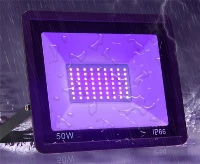
Despite the energy efficiency benefits, high-intensity LED lighting emits a substantial amount of blue light that appears white to the naked eye and produce more undesirable nighttime glare than conventional lighting. Blue light poses potential hazard or a photochemically induced retinal injury as a consequence of radiation exposure at wavelengths predominantly between 400 nm and 500 nm. The excess blue and green emissions from phosphor-coated LEDs result in increased light pollution, because these wavelengths scatter more within the eye and end up with detrimental environmental and glare effects.
The new AMA guidance calls for proper attention to optimal design and engineering features when switching to LED lighting that mitigates detrimental health and environmental effects. They specifically point out that the blue-rich LED lighting can decrease visual acuity and safety, leading to concerns and creating a road hazard. White LED street lights are currently being promoted to cities and towns all over the world in the name of energy efficiency and long term cost savings. CCT between 4000K and 6500K has been the choice for many countries that have recently retrofitted their street lighting from HPS to LED. However, 29% of the spectrum of 4000K LED lighting is emitted as blue light, which the human eye perceives as a harsh white color. Apart from its impact on drivers, blue-rich LED street lights operate at a wavelength that most negatively suppresses melatonin during night. White LED lamps have 5 times more impact on circadian sleep rhythms than conventional street lamps.