LED Technology Deep Dive: How Efficiency, Heat, and Materials Define Performance
LED lighting performance is not determined by a single factor but by a complex interaction of semiconductor efficiency, thermal management, material science, and optical engineering.
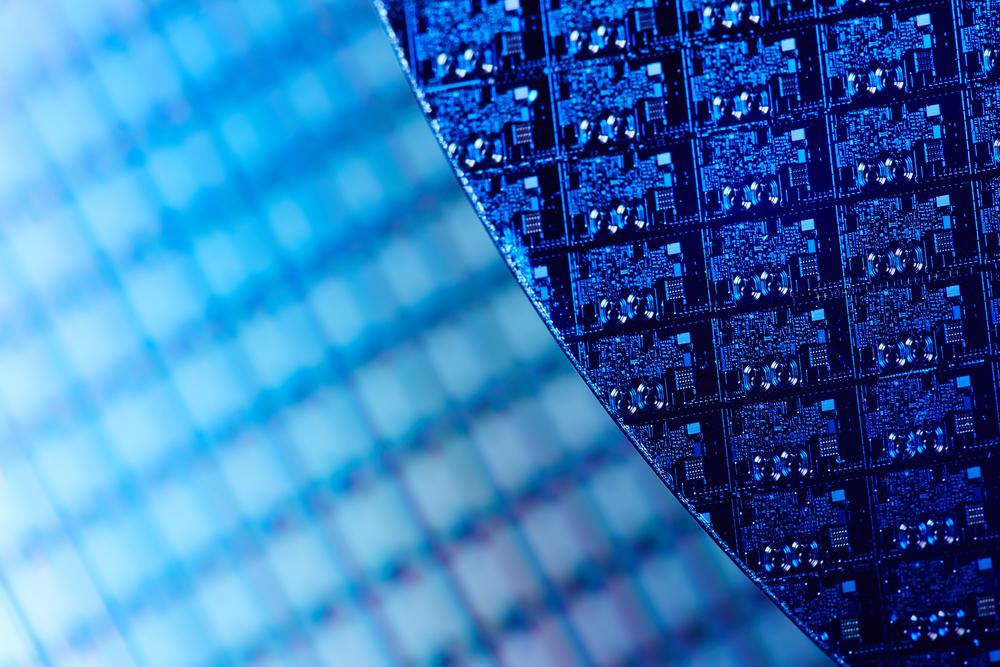
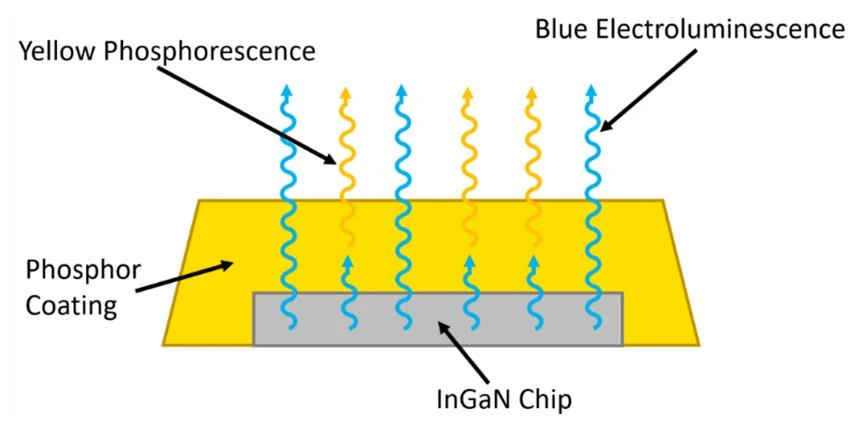
At the core of every LED system is the semiconductor chip. This chip generates light through electroluminescence when an electrical current passes through it. The efficiency of this process-known as luminous efficacy-determines how much light is produced per unit of energy.
Modern LED chips are significantly more efficient than earlier generations, but efficiency alone does not guarantee high-quality performance. Heat management is equally important. Excess heat can degrade semiconductor materials, reduce lifespan, and cause color shifting.
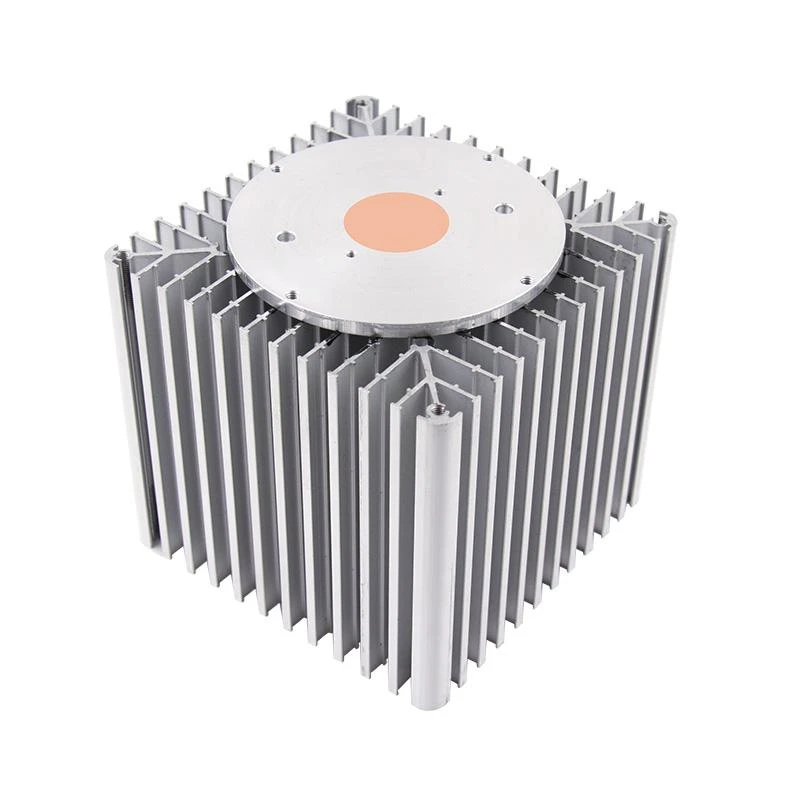
This is why thermal design is a critical aspect of LED engineering. Heat sinks made from aluminum or copper are commonly used to dissipate heat away from the chip. In high-power applications, active cooling systems or advanced thermal interface materials may also be used.
Another important component is the phosphor coating layer. White LEDs are typically created by applying a phosphor layer over a blue LED chip. This layer converts part of the blue light into a broader spectrum, producing white light. The quality and uniformity of this conversion directly affect color rendering and visual comfort.
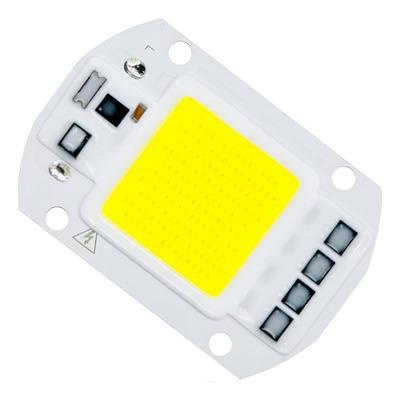
COB (Chip on Board) technology further improves thermal and optical performance by mounting multiple LED chips directly onto a substrate. This design allows for higher light density and more efficient heat dissipation compared to traditional SMD packaging.
Material selection also plays a key role. High-quality substrates, bonding wires, and encapsulation materials contribute to longer lifespan and better reliability, especially in harsh environments.
Optical design is another key factor. Lenses, reflectors, and diffusers are used to control beam angles and light distribution. Poor optical design can lead to glare, uneven lighting, and wasted energy.
Ultimately, LED performance is the result of system-level optimization. Chip efficiency, thermal management, driver stability, and optical control must all work together.
As the industry continues to evolve, innovations in materials such as silicon carbide and advanced phosphor formulations are expected to further improve performance and efficiency.