Smart Lighting Ecosystem: How IoT is Reshaping the LED Industry
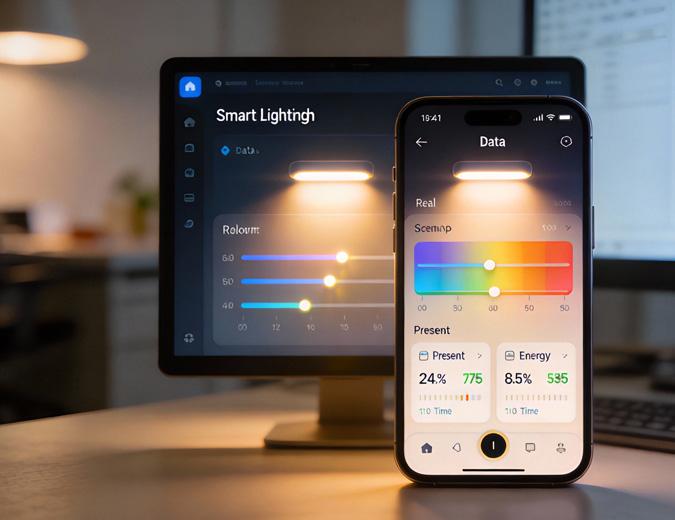
The LED lighting industry is rapidly shifting from standalone products to fully connected systems. What used to be simple lighting fixtures is now becoming part of a larger smart lighting ecosystem driven by IoT, sensors, and cloud-based control platforms.
In commercial buildings, smart lighting is no longer a future concept-it is already widely deployed. Offices and shopping malls are integrating occupancy sensors and daylight harvesting systems to automatically adjust brightness. This not only reduces energy waste but also improves user comfort throughout the day.
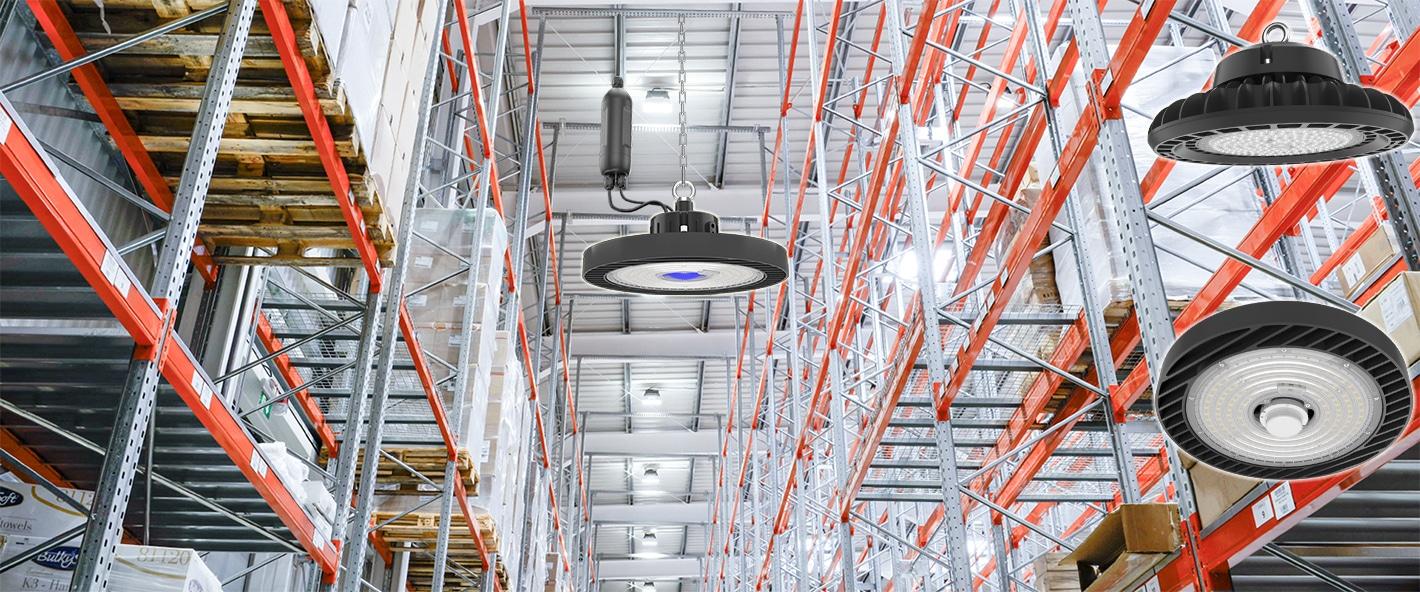
One of the biggest changes comes from centralized control platforms. Facility managers can now monitor and adjust thousands of lighting points from a single dashboard. This is especially valuable in large warehouses, airports, and industrial plants where manual control is inefficient and costly.
In addition, IoT-enabled LED fixtures are becoming more advanced. Many systems now support real-time fault detection, allowing maintenance teams to identify failed drivers or abnormal power consumption before a breakdown occurs. This predictive maintenance capability significantly reduces downtime.
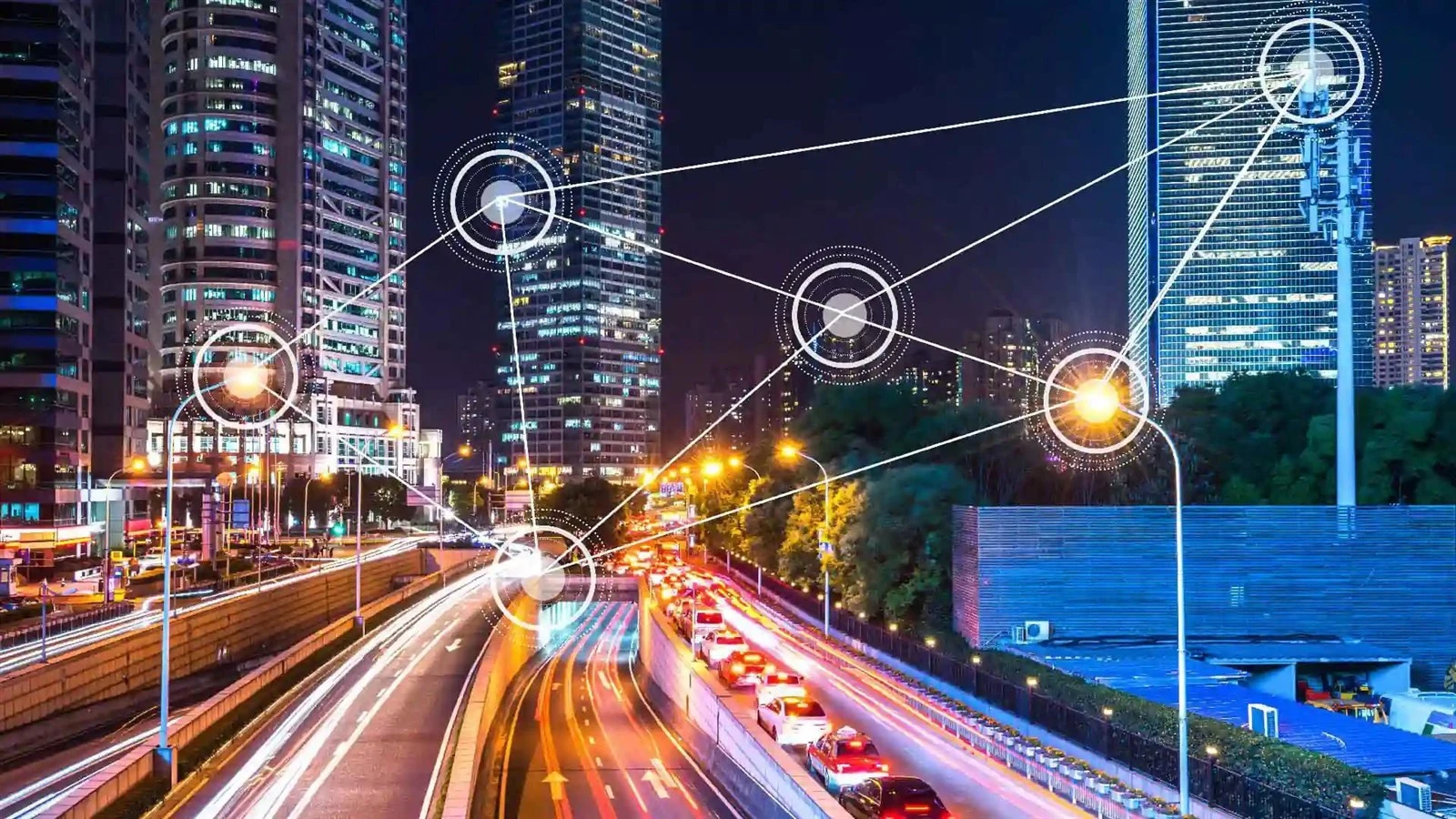
Smart cities are also accelerating adoption. Governments are upgrading traditional street lighting to connected LED systems that can adjust brightness based on traffic flow and weather conditions. These systems also collect data, contributing to broader urban planning strategies.
Another emerging trend is integration with AI. Lighting systems are starting to learn usage patterns and automatically optimize energy consumption without human input. This marks a shift from "controlled lighting" to "self-optimizing lighting environments."
Looking forward, the LED industry will increasingly merge with digital infrastructure. Lighting will no longer be treated as a separate utility but as part of building intelligence systems.