Typically, when businesses consider lighting large areas, they try to light inanimate objects such as a parking lot or a car dealership. In these cases, the most important considerations in lighting those areas are visibility, safety, and using light that highlights the product. But what if the area you are trying to light doesn't involve objects? What if it involves animals?
You have to consider visibility and safety when planning equestrian park lights, but you also have to consider the horses. Horses, despite their size, are sensitive animals that can be significantly affected by sound, touch, and, indeed, light. And when clients ride their horses in your arena, you want the horses to remain calm and cooperative. This is an essential consideration if you are trying to light a horse arena. You don't want to worry about whether or not the lighting has too much glare. It negatively affects the horse, making it edgy and nervous rather calm and confident.
Lighting can significantly affect the horse's behavior, so it's essential to consider lighting needs in this scenario. This article will look at how to light a horse arena and a horse barn using proper lighting techniques and good old-fashioned horse sense.
How Do You Light Up a Small Horse Arena
Horse arena lighting design entails several considerations before deciding what's best for the area that needs to be lighted. It's important to remember that you are lighting an area with one unpredictable factor: the horse. Above all, you need to create a lighting environment to keep the horse calm, comfortable, and cooperative. Some of the considerations include:
Size of Space: It's essential to know the size of the space to consider lighting requirements, such as how much light is needed. Also, the size will determine the proper pole spacing and height. Poles spaced too far apart will create dimly lit spots, while poles spaced too closely will create too much glare. Similarly, light dispersal will be too great if the pole height is too tall, leading to a poorly lit arena. If pole heights are too short, the arena will be too bright, negatively affecting riders and horses.
Indoor or Outdoor: There are further considerations for whether you are lighting an indoor or outdoor arena. Outdoor arenas installations will require light poles with either direct burial or anchor bases. Indoor arenas can utilize the existing ceiling structure to install floodlights. They won't need light fixtures that are as bright as outdoor fixtures.
Safety of Riders and Horses: The lighting should create a comfortable environment for the riders and the horses. Riders and horses should be able to see clearly without the light being too bright, causing a glare that could impede sightlines. The light should not be too dim either. More importantly, the horses need consistency and no surprises as they ride. The last thing you want is a distracted horse or bucking because of lighting inconsistencies that cause it to be confused or a shadow that may frighten it.
Which Type of Lighting Is Appropriate for a Horse Arena?
Outdoor horse arena lights are dependent on the size of the arena, and the types of riding that will occur in the arena. For casual riding, lighting requirements may be quite normal. More active riding types like dressage or jumping may require brighter levels of light to account for seeing the obstacle the horse must surmount. These different riding types will have an effect on:
Pole Foundation Type: Direct burial, where the pole is installed directly into the ground, is appropriate for areas with firm soil conditions. It is not recommended for areas with loose soil and sand. Anchor-based installations use concrete as a foundation. Then, the pole is connected to the foundation with anchor bolts.
Pole Material: Steel, aluminum, and fiberglass are light poles' most common material types. The choice of material depends on climate conditions, lifespan, and height requirements.
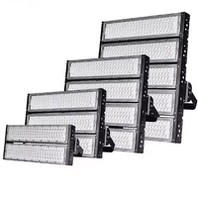
Light Fixtures: LED sports lighting fixtures or outdoor floodlights are most suitable for equestrian lighting since they have the power needed to lighten large outdoor areas like an arena. These types of lights will be able to cast the light needed to cover a large area. Also, LED lights are suitable for equestrian lighting levels since the light is consistent and does not flicker as other types of light are prone to do.
Aside from the arena itself, consider areas around the arena. These include pathways leading from the stalls to the staging areas. These areas won't have the same lighting requirements as the arena itself, but it is essential to light them. Areas such as these don't need lighting fixtures as bright as the arena area. Also, pole heights will not have to be as high.