Cool white lighting applications vs. warm white
Ratings of color temperature can be used to emphasize a variety of environmental features. A British scientist named William Kelvin first learned about the method in the 1880s. A block of carbon that was roasted at various degrees was used in the experiment to test various color temperatures. Today, improvements and adjustments to lighting conditions in rooms and structures are made using Kelvin's theories.
Introduction to Color Temperatures
A Kelvin scale is used to calculate color temperature, with Kelvin serving as the unit of measurement. As a general rule, the lighter the tone, the lower the rating, and vice versa. In order to portray a fixture with a rating between 1,000K and 1,900K, a weak candlelight is used. While natural white and cool white grades fall between 4,000K and 5,000K, warm white light appears between 2,700K and 3,000K. The color temperatures that most closely approximate daylight (6,000K) and bright, blue sky (10,000K) are found at the extremes of the scale.
Humans are affected by the color temperature of light in a number of notable ways. Low melatonin synthesis has been associated with high color temperature ratings, particularly those that emphasize bluish tones. The pineal gland, which serves as the main regulator of sleep and ovarian function, secretes the hormone melatonin, which is generated from serotonin. According to scientists, the body gets deceived into believing it is daytime when it is exposed to strong, blue light. As a result, when this kind of light is employed at night, individuals often feel alert and restless. The use of low lights with high color temperature ratings in bedrooms is a typical error when choosing luminaries. Even at low levels, exposure to blue light tones can still cause individuals to produce less melatonin, therefore dimming the light may assist to lessen eye strain.
Businesses that are open after regular business hours have been known to take advantage of this occurrence by adding lighting with high color temperature ratings to the structure to encourage attentiveness. This is also the rationale for the usage of blue lights by industrial forklifts as early warning signals within warehouses.
White Day Applications
Classrooms may benefit from day white color temperatures ranging between 5,500K and 6,000K, according to a paper that was published under the title Effects on School Children with Lighting Color Temperature Study. A blue light tone can increase students' concentration and focus, resulting in a more engaging learning environment. Educational institutions may exploit this advantage, like warehouses and businesses that stay open late, to raise student academic performance.
When growing plants inside, day white light with a color temperature of up to 10,000K is used. This kind of light is used by botanists to encourage plant development throughout the vegetative stages, as well as during sowing and cloning. When plants are in the blooming and budding stages, warmer light temperatures (at around 3,000K) are used because photosynthesis is occurring at a high rate during this time. Large aquariums have been known to use 10,000K-rated lighting, according to marine professionals. On a more general level, daylight luminaries do well in places like kitchens, inspection rooms, and basements where precise work is done. Try going outside around noon on a clear day to get a sense of how day white lights affect people generally.
White Cool Applications
4,000K to 5,000K cool white light has several uses in the industrial sectors. The color temperature has crisp, well-balanced qualities. Due of its cooler look, cool white has fewer persistent properties when compared to day white lighting. This sort of light is frequently used in locations that need typically bright lighting, such as manufacturing facilities, construction sites, and structures that process chemicals and oil, as it is dependable for a variety of jobs. Although cool white lighting isn't frequently employed in living spaces, it may be used in garages and laundry rooms and other dimly lighted sections of a home.
Malls, hospitals, and public buildings are examples of commercial and retail settings that frequently employ cool white bulbs. Due to the increased risk of ocular strain, day light color temperature luminaires are not recommended for such settings. In these environments, cool white settings encourage moderate attentiveness, and people can put up with prolonged exposure to the light. It is crucial to keep in mind how bright colors and surfaces in a space may be emphasized by cold white tones. A cold white light might not be the ideal option if the space's walls and objects are already white and gleaming.
Utilization of Warm White
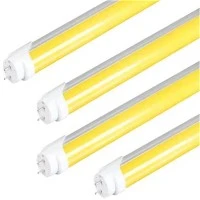
Fixtures that are warm or soft white provide a yellowish light that is very easy on the eyes. Most often, living spaces including bedrooms, hallways, and living rooms include these lights. They are common in places like restaurants, outdoor gardens, and monuments that call for moody, low-lighting. Warm lighting is only advised for usage in spaces with minimal involvement or activities that don't demand careful attention to detail since it promotes relaxation in the appropriate area. Using soft white light in spaces with plenty of dark furnishings might bring out those gloomy aspects of the space.
Combinations and Mixtures
Generally speaking, multiple color temperature light settings are needed in areas with high activity depending on the time of day (or night) and the variety of tasks being carried out. For instance, a living room in a traditional home would not require artificial illumination in the morning and late at night. People might utilize warm white light in the space after sunset to provide a cozy environment for watching television. Cool white light may be used while hosting guests or conducting casual meetings in the area.
The color temperature rating of the lighting system may also be determined by the theme and color scheme of the space. For instance, restaurants typically employ warm lighting to provide a relaxing dining experience. However, trendy gastropubs and busy eateries with high table turnover rates could use cool white lighting to complement their quick service. Additionally, the front of the home, where people eat, may have warm lighting to accommodate them, whilst the kitchen, where food is prepared and assembled, might have chilly white lighting. When conducting specialized jobs in environments with general illumination, it is also possible to employ handheld or portable lights for guidance. As an illustration, a waiter taking orders in a restaurant may utilize a cool-white color-temperature flashlight in a space with dim, warm illumination. The usage of portable lights to facilitate specialized activities in environments with general lighting is also appropriate for use in bedrooms and commercial workspaces.