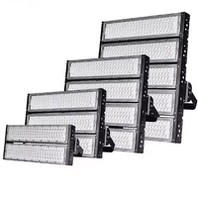
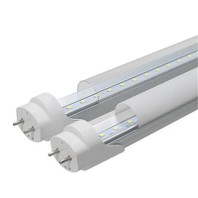
Luminous flux is the first important parameter of all lamps
The norm is defined as "the radiant flux output used to comment on the normative human visual characteristics of the international rules". Regarding lamps, this parameter is "the sum of visible light emitted by the lamp unit time." Unit: Lumen, symbol LM. Buying advice: For the same type of lamp, this parameter must exceed the minimum constraint, the higher the better.
The actual parameter that determines the quality of lighting is illuminance-"the luminous flux of visible light received per unit area". It is very messy to derive the constraint of luminous flux from the constraint of this parameter. Need to consider factors such as the type of lamp, light distribution curve, installation environment, and height. The pit is not filled.
This is a rough reference value, standardizing incandescent lamps, requiring reading and writing, 900Lm. This important parameter is generally marked in an unimportant position. Some small factories do not sign it at all, so remember its unit sign "LM". Otherwise, you will not be able to recognize this parameter.
2. The power parameter is the power consumption of the lamp per hour, we all know it. The smaller the lamp, the better. Let's not talk about this. When the luminous flux meets the requirements, the smaller the power, the better. This parameter is generally very eye-catching, and sales personnel will also use it to distinguish the "brightness" of lamps. The importance of this parameter is second only to luminous flux. The definition of color temperature is too messy.
Procurement rules: Generally speaking, the color temperature of LED lamps is better between 4000k-5000k, and 2700k-3000k should be selected for places with demand for mood and comfort such as bedrooms. The high color temperature LED lights are white, giving people the illusion of "the higher the color temperature, the brighter the light". High color temperature LED lights are harmful to blue light.
The low color temperature lamp is yellow, giving people a warm and comfortable feeling. We call the contrast of the light source to the actual color of the object as the color rendering of the light source. The measured index is the color rendering index. The higher the index, the less color distortion you will see. The color rendering index of sunlight is 100. National regulations require RA to be greater than 80 for daily use. If you are engaged in color-related tasks, the color rendering index of the lamps must be very high, so you can only choose incandescent lamps, even if the color rendering index of other types of lamps can reach 95, don't buy it. In fact, the lamp of life has two parts. Think of the shorter lamp as the life span of the whole lamp.
1. The time when the luminous flux of the whole lamp is reduced to 70% of the initial value.
2. The moment when the whole lamp is ignited to burning. Regarding the LED lights, the second one is much shorter than the first one. It is often said in the market that the lifetime of LEDs is as high as 5w-10w hours, which refers to the lifetime of the first use. A single LED chip can be used in a normal environment, far beyond this life span. The second test is the manufacturer's LED drive capability and cooling design capability. Buying advice: choose reliable brand manufacturers' lamps, the longer the nominal life expectancy, the better.
Due to the low power consumption of LED lights, its impact is limited. However, some sales personnel often claim that the higher the PF value, the better the power saving effect and the better the quality of the lamps. This is unfounded.