Office Lighting Design Considerations
As the largest area in the current office space, the open office covers all functional departments of the company, including computer operation, writing, telephone communication, thinking, work communication, meetings and other office activities. In terms of lighting, the above office behaviors should be combined with the design principles of uniformity and comfort. Usually, the lighting method of uniform spacing is adopted, and corresponding lamps and lanterns are used in combination with the functional area of the ground. The workbench area uses a grille light panel to evenly light the workspace and reduce glare. Downlights are used in the passage area of the collective office to add light to the passage.
Office Lighting Considerations
The single-person office is generally used by leaders of a certain level, and the use includes regular work and meetings, as well as small training and meetings. Lighting should be mainly functional, and combined with space decoration to increase the atmosphere. Usually the workbench area can use diffused grille light panel or anti-glare series downlight. At the same time, anti-glare ceiling spotlights can be used to strengthen the facade lighting of the wall, improve comfort and create an excellent office environment.
As a venue for meeting partners and customers, the reception room creates a comfortable, relaxing, cosy and friendly atmosphere. Lighting should highlight the friendly expression of the negotiator, and downlights with better color rendering can be used, and soft brightness is appropriate. At the same time, pay attention to the performance of corporate culture or posters on the facade. Adjustable angle lamps can be used to improve the brightness of the wall facade.
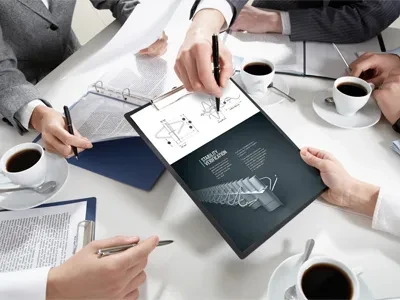
The conference room is the place for major decision-making meetings of the company, including functions such as meetings, training, negotiation, video viewing, and meeting guests. requirements. No matter the length of the meeting, the number of participants, whether it is a one-way reporting meeting in a large conference hall or a round table communication meeting in a small and medium-sized conference room, the purpose of conference room lighting is to stimulate the imagination of the participants and encourage them to communicate with each other.
At the same time, the communication of the facial expressions of the participants is also the most important task in the lighting of the conference room, and the lighting should avoid inappropriate shadows and light-dark contrasts. Spotlights can be used to wash the wall and provide interesting ambient light for the monotonous long-term meeting environment. Combined with the decorative structure of the ceiling, suspended lamps or hidden lamps can be used to form light strips. Small conference rooms should enhance the effect of light and shadow to avoid the sense of depression brought by small spaces. Indirect lighting fixtures that can emit light from both the top and bottom can be used to evenly illuminate the ceiling and walls.