Architects and designers have long been researching how to improve our work environment, whether it's in terms of safety, technology or functional design. Over the past few decades, we've seen an explosion of technological innovation in the workplace, from personal computers, cell phones, the Internet, to lighting. These advancements help people become more efficient.
When it comes to lighting, we can think about architectural design in a whole new way to improve the workplace experience. Many emotions of people are related to architecture, and many of these emotions are generated by the effect of lighting on people. A dark, poorly lit environment can feel dull, even a little cold. The hum and slight flicker of old fluorescent lamps have an effect on one's concentration, which in turn affects work performance. The best space with good lighting and environment can stimulate people's positive emotions. The advent of LED lighting provides more consistent and scalable lighting effects. LEDs are energy efficient, flexible and reliable, and are now entering almost all applications in the built environment.
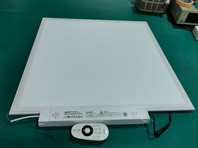
Dimming technology has been available in commercial spaces for over 50 years. In the past, dimming technology has been prohibitively expensive for most general lighting applications. Brightness can be changed by directly adjusting the power supply circuit of the luminaire. While it is now possible to operate LEDs through previous generation controls, future control capabilities will be embedded in the LED driver and use a digital protocol that communicates directly with the driver.
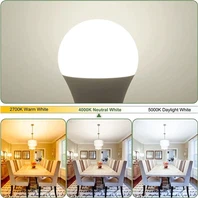
LED-based human-centric lighting can control and modulate correlated color temperature (CCT) to evoke specific human biological responses and behaviors in well-designed indoor environments.
Human-centred lighting (HCL for short) offers many potential advantages in offices and workspaces. What is now known is that HCL has a visual advantage.
What is now known is that HCL has visual advantages. Lighting improves the space and changes the way the building is perceived, providing a more comfortable and customizable atmosphere within the building.
Healthcare facilities are using people-centred lighting, adding cooler color temperatures in staff areas to keep staff alert during shifts; and using warmer color temperatures in patient rooms to keep patients comfortable while resting and recovering. Schools are also using human-centred lighting and quieting or awake students depending on the time of day. In a commercial work environment, the effect of proper lighting color temperature can make the office environment more natural and comfortable, while increasing productivity.
Just like ergonomic chairs and keyboards, human-centred lighting helps businesses have happier, healthier employees so they can work better.
Color temperature effect. Additionally, most contractors may not be familiar with digital lighting protocols such as DALI or DMX controls.
The future is adjustable
Dimmable light will soon become as common as dimming. The reality is that all light is not created equal. Like any other product or technology, its quality varies. People will start to encounter HCL more and soon it will be expected to install HCL in a room or work environment.
This means that new buildings will soon require HLC at the design and specification stage. In addition, existing buildings must provide renovation opportunities. The ultimate goal of facility lighting is to make people feel as comfortable as lighting in their natural environment, while having the ability to simulate day and night changes indoors and outside. When manual adjustments are required, the system can be optimized and modified to suit the specific task at hand.
Benwei Lighting is an LED Tube, LED flood light, LED Panel Light, LED High Bay, LED manufacturer with 12 years of experience. If you want to purchase a high-quality LED flood light or have a more in-depth understanding of the application of LED flood lights, please contact send us inquiry, our web: https://www.benweilight.com/.