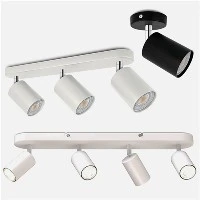
Rectangular recessed lights have gained popularity in the architectural lighting industry for use in both residential and commercial settings. These fixtures provide efficient lighting with a sleek, contemporary appearance. For both engineers and designers, it is essential to comprehend the best practices and standards pertaining to their utilization. The technical details, installation instructions, and design concerns of rectangular recessed lighting are all covered in detail in this article.
Rectangular Recessed Lighting: An Overview
Rectangular recessed lights are integrated into ceilings to produce a sleek appearance that improves a room's overall decor. These lights are less noticeable than conventional pendant or surface-mounted lamps, which makes for a more unified architectural look. They work especially well in spaces like workplaces, retail stores, and contemporary residences where a clean ceiling line is preferred. Rectangular recessed lighting is a popular option for both designers and homeowners due to its versatility, which allows it to blend in with a variety of designs, from industrial to minimalist.
Additionally, installing rectangular recessed lighting can have a big impact on how big a space appears. Depending on the intended impact, these fixtures can be placed strategically to give the impression of depth or height, increasing the room's feeling of space or intimacy. This feature is particularly helpful in compact areas where it's important to maximize light without clogging the ceiling. Users can further customize the lighting experience by adjusting the atmosphere to suit their needs or moods thanks to the use of dimmable choices.
Rectangular Recessed Light Types
On the market, there are numerous varieties of rectangle recessed lights, each intended for a particular use. Among the most prevalent kinds are:
Adjustable Lights: These fixtures are perfect for emphasizing architectural details or artwork since they can be tilted to direct light where it is most required. Their adaptability enables dynamic lighting configurations that can change to accommodate evolving functional requirements or décor.
Wall washers: Made to uniformly light walls, wall washers produce a gentle glow that accentuates surfaces' texture and color. When the goal is to highlight the products on display without creating harsh shadows, this kind of lighting works especially well in galleries or showrooms.
Task Lighting: These lights are made especially to give concentrated illumination for tasks like cooking or reading. To guarantee that the light is focused exactly where it is wanted, they might be placed in home offices, kitchens, or workstations to enhance visibility and lessen eye strain.
Important Details
To guarantee optimum performance, engineers should take into account a number of crucial parameters while choosing rectangular recessed lights:
Light Output: The fixture's brightness is determined by its light output, which is measured in lumens. Selecting a light output that is appropriate for the intended use is crucial. For example, rooms that need detailed work should have a higher lumen output, but spaces meant for relaxation might benefit more from softer lighting.
Color Temperature: This parameter, which is expressed in Kelvin (K), influences a room's atmosphere. While lower temperatures (4000K–5000K) are more invigorating and appropriate for workstations, warmer temperatures (2700K–3000K) produce a cozier atmosphere. Choosing the appropriate lighting for various settings can improve productivity or relaxation as needed if one is aware of the psychological impacts of color temperature.
Beam Angle: The distribution of light is influenced by the beam angle. Whereas a larger beam offers general illumination, a narrow beam is best for emphasizing particular regions. Whether you want to highlight a feature or provide a uniform wash of light over a larger area, selecting the right beam angle is essential to getting the ideal lighting effect.
Regulations and Standards for Lighting
For any lighting design to be safe, effective, and comfortable, compliance with lighting standards and laws is essential. Engineers must adhere to rules set out by many organizations and codes while designing using rectangular recessed lights.
Standards of the Illuminating Engineering Society (IES)
Lighting design is governed by a number of standards established by the Illuminating Engineering Society (IES). These guidelines address things like glare control, homogeneity, and light levels. To guarantee adherence to industry best standards, engineers should consult the IES recommendations for particular applications when designing rectangular recessed lights. Furthermore, the IES stresses how crucial it is to take the light source's color temperature into account because it has a big influence on the atmosphere and usability of a room. For example, cooler color temperatures might be better suited for workstations to improve focus and productivity, whereas warmer color temperatures are frequently chosen in domestic settings to create a friendly feel.
Safety Rules and Building Codes
Specific lighting installation requirements are frequently imposed by local building rules. These regulations may cover topics like accessibility, fire safety, and energy efficiency. To make sure that their designs are in compliance, engineers need to become knowledgeable about the applicable codes in their jurisdiction. Furthermore, it is critical to take into account how these laws are changing, since many jurisdictions are progressively enacting more stringent energy efficiency requirements in order to meet sustainability objectives. This change frequently promotes the use of LED technology, which offers lifespan and lower maintenance costs in addition to meeting energy needs. Additionally, knowing the rules set forth by the Americans with Disabilities Act (ADA) will assist guarantee that lighting designs are inclusive, offering sufficient illumination for people who are blind or visually impaired and improving public safety in general.
Installation Instructions
For rectangular recessed lights to have the required lighting effect and last a long time, proper installation is essential. The following recommendations should be taken into account by engineers when installing:
Type and Structure of the Ceiling
The installation technique will vary depending on the type of ceiling, such as suspended grid, plaster, or drywall. For instance, mounting methods for drywall ceilings could differ from those for grid ceilings. In order to sustain the weight of the fixtures, the ceiling's structural soundness must also be evaluated.
Aspects of Electrical
To guarantee that every fixture is correctly linked to the power supply, electrical wiring needs to be carefully planned. This entails taking into account the dimming settings, circuit load, and voltage. To avoid any possible problems, engineers should also make sure that the fixtures are compatible with the current electrical systems.
Aspects of Design
The efficient usage of rectangular recessed lights depends heavily on design considerations in addition to technical requirements and installation instructions. It is important to consider the following factors:
Combining Interior Design with Integration
Rectangular recessed lights ought to blend in with a room's general interior decor. This entails taking into account the architectural elements, materials, and color scheme. Sleek rectangular fixtures, for example, might accentuate the open atmosphere and clean lines of a modern minimalist environment, but they might need to be carefully incorporated to preserve the aesthetic in a more traditional setting.
Layout of Lighting
To get the required lighting effect, recessed light placement is essential. Engineers should think about positioning, spacing, and how light interacts with surfaces. A carefully thought-out arrangement can reduce shadows and guarantee uniform lighting in the room.
Sustainability and Energy Efficiency
Energy efficiency is a critical factor in lighting design as sustainability gains traction. For energy-conscious projects, rectangular recessed lights can be a great option, especially if LED technology is being used.
LED Technology
Compared to conventional incandescent or fluorescent choices, LED recessed lights have many advantages. They are a more sustainable option because they use a lot less energy, last longer, and generate less heat. To encourage energy efficiency and lower total energy usage, engineers should support the incorporation of LED technology into their designs.
Intelligent Lighting Options
Including smart lighting options can improve energy efficiency even more. These systems enable automated lighting control according to natural light levels, occupancy, and time of day. To provide users more control over their lighting environment, engineers should think about integrating smart technologies into their designs.
Typical Problems and Their Fixes
Rectangular recessed lights provide many benefits, but there are a few potential drawbacks when designing and installing them. It is crucial for engineers to comprehend these issues and possible solutions.
Distribution of Light and Glare
Glare is a frequent problem with recessed lighting that can make residents uncomfortable. Engineers should think about using fixtures with appropriate shielding and planning the layout to reduce direct line-of-sight to the light source in order to lessen this. Furthermore, choosing the right beam angle helps lessen glare and help spread light more evenly.
Controlling the Heat
Recessed lighting may cause heat buildup, especially in insulated ceilings. Engineers should make sure that adequate ventilation is provided and that fixtures are rated for the intended use. Because LED fixtures produce less heat than conventional lighting choices, using them might also be beneficial.
Rectangular Recessed Lighting Trends for the Future
Rectangular recessed lights are no exception to the lighting industry's constant evolution. Engineers can maintain their competitiveness and inventiveness in their designs by keeping up with new trends.
Lighting Focused on Humans
The goal of human-centric lighting is to design spaces that promote occupants' well-being. This method takes into account elements like circadian cycles and the impact of light on the mind. In order to develop dynamic lighting environments that adjust to the needs of users, engineers should investigate the use of rectangular recessed lights.
Connectivity to Building Management Systems
The integration of lighting systems with building management systems (BMS) is becoming more and more crucial as buildings get smarter. By centralizing management over HVAC, lighting, and other systems, this integration maximizes energy efficiency and improves occupant comfort. The smooth integration of rectangular recessed lights into these systems should be taken into account by engineers.
In conclusion
Rectangular recessed lights are a chic and adaptable lighting option that can improve both commercial and residential settings. Engineers can produce efficient lighting solutions that satisfy their clients' objectives by comprehending the technical specifications, following lighting standards, and taking design and installation recommendations into account. Rectangular recessed lights will continue to be a useful and relevant option in architectural lighting design as long as the industry stays up to date on trends and advancements.
Light Up Your Area with Benwei lighting' Experience
Are you prepared to use the elegant and effective lighting options covered in this article to improve your architectural designs? We at Benwei lighting are dedicated to helping you choose the ideal rectangle recessed lights for your business or industrial settings. Our LED lighting options are customized to fit your unique requirements, guaranteeing excellent performance and energy economy. Don't be afraid to explore our cutting-edge lighting solutions that will revolutionize your environment and to ask an expert at Benwei lighting for tailored assistance.