LED Light for RVs: Providing Light for the Open Road While Maintaining Efficiency and Versatility
Through the use of the appropriate lighting, a recreational vehicle (RV) may be transformed from a simple means of transportation into a comfortable and practical living place for those who make the open road their permanent residence. The introduction of LED lighting, a technology that has transformed the way in which we illuminate these mobile homes, is without a doubt one of the most significant modifications for modern recreational vehicles (RVs). LED lights for recreational vehicles (RVs) combine energy economy, durability, and adaptability to handle the specific issues that come with living a mobile lifestyle. These challenges include restricted power supply, space limits, and the requirement for dependable performance in any given environment. These lights improve both the environment's comfort and its utility, whether they are used to provide task lighting in the kitchen and bathroom or to provide ambient lighting in the living area. This article examines the design, features, uses, and considerations of LED lights for recreational vehicles (RVs), highlighting the reasons why these lights have recently become a crucial component for RV enthusiasts as well as manufacturers.
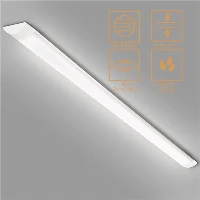
As space, power, and durability are of the utmost importance in mobile living, RV LED lights have been particularly designed to satisfy the requirements of this lifestyle. LED lights are designed to endure the vibrations and temperature variations that are associated with travel. In contrast to typical incandescent or fluorescent bulbs, which are cumbersome, need a significant amount of energy, and are delicate, LED lights are tiny, lightweight, and made to withstand these factors. It is possible for them to fit into small locations, such as beneath cabinets, under overhead fixtures, and along the edges of counters, because to their narrow shape. This allows them to maximize lighting coverage without sacrificing the interior decor of the room by doing so. In addition, many LED lights for RVs are intended to have low profiles, which makes them an excellent choice for compartments that have restricted headroom, such as corridors and bedrooms.
The energy economy of LED lights for RVs is one of the distinguishing characteristics of these lights, which is an important advantage given the limited power resources that are accessible in RVs. Because the majority of recreational vehicles (RVs) get their electricity from batteries, solar panels, or generators, lowering the amount of energy that is consumed is crucial to extending the power life of the RV and reducing the frequency with which it has to be recharged or refueled. The energy consumption of LED lights is up to 80 percent lower than that of incandescent bulbs. For instance, a 12-volt LED bulb that produces the same amount of light as a 60-watt incandescent bulb consumes just 10 watts or less of electricity. The effectiveness of this system not only helps to conserve the life of the battery, but it also lessens the pressure placed on the electrical system of the RV, which in turn decreases the likelihood of overloads and increases the lifespan of other components. Those who prefer boondocking, which is camping without connections, will find this energy savings to be especially significant since it enables them to stay off the grid for extended periods of time without compromising their level of comfort.

Another important quality of RV LED lights is their durability, which makes them an excellent choice for the challenges that come with living on the road. Traditional light bulbs are prone to breaking as a result of the shocks and vibrations that are caused by driving. This necessitates regular replacements, which may be difficult and expensive, particularly in isolated regions. LED lights, on the other hand, do not include any filaments or glass components, which enables them to exert a high level of resistance to vibration and impact. In addition, they are able to work dependably in a broad variety of temperatures, from the icy cold nights that occur in mountainous locations to the blistering heat that occurs in desert settings, without becoming dull or faltering. Compared to incandescent bulbs, which have a lifespan of 1,000 to 2,000 hours, LED lights for RVs have a lifespan of 25,000 to 50,000 hours, which means that they seldom need to be replaced. This reduces the amount of maintenance that is required and ensures that the lights continue to work consistently even during extended excursions.
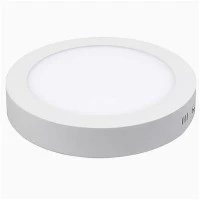
It is clear that LED lights for RVs have a broad range of uses within an RV, each of which is adapted to unique lighting requirements. This demonstrates the adaptability of these lights. It is common practice to use LED strip lights or recessed ceiling fixtures in order to produce ambient lighting, which is a type of lighting that gives overall illumination to a place. It is possible to make the recreational vehicle (RV) feel more like a home by using these lights, which provide a gentle, diffused glow that creates a warm and inviting ambiance in living areas and bedrooms. The usage of dimmable LED lamps is particularly popular for ambient lighting because they enable users to alter the brightness levels to match the time of day or their mood. These fixtures may be bright enough for activities during the day, but can also be muted for leisure in the evening.
An other significant application for RV LED lights is task lighting, which is a type of lighting that concentrates on particular work areas. The use of under-cabinet LED strips or puck lights in kitchens creates a safer and more efficient environment for food preparation; these lights illuminate the counters. The use of waterproof LED lighting in bathrooms allows for the provision of strong, clear light for grooming duties, while simultaneously avoiding the harsh glare that may cause tiny areas to feel claustrophobic. Reading lights, which are typically hung above beds or sofas, make use of concentrated LED bulbs to offer lighting that is specifically directed toward reading or working without potentially disturbing other people in the area. The majority of these work lamps are designed to be adjustable, with swivel heads or flexible arms that enable users to direct light precisely where it is required to be directed.
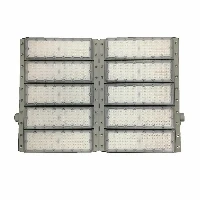
During activities that take place outside, RV LED lights also serve an important purpose of providing illumination for the outside, which improves both safety and convenience. Entryways are illuminated by LED porch lights, which not only make it simpler to traverse in the dark but also discourage pests from entering. A nice outdoor living space that is perfect for nighttime gatherings may be created with the help of awning lights, which often take the shape of LED strings or strips. These lights can be colorful or warm white, depending on the atmosphere that you want to create. As LEDs glow more quickly than incandescent bulbs, they are increasingly being used to replace the brake lights, turn signals, and marker lights that are located on the exterior of recreational vehicles (RVs). This is done in order to improve visibility for other drivers and to reduce the likelihood of accidents occurring. It is also possible to attach LED floodlights on the exterior of a campground in order to illuminate it. This not only improves safety but also makes activities that take place during the night, such as setting up tents or unloading goods, more secure and less difficult.
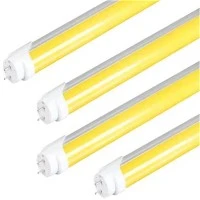
There are a variety of color temperatures available for RV LED lights, ranging from warm white (2700K–3000K) to cool white (5000K–6500K) and even multi-color RGB variations. The color temperature plays a key part in the creation of the desired atmosphere. Warm white lights, which provide a gentle, yellowish glow comparable to that of conventional incandescent bulbs, are frequently used in settings such as living rooms and bedrooms because they produce an ambiance that is warm and pleasant. It is recommended that job areas such as kitchens and bathrooms, which require a high level of clarity and visibility, be illuminated with cool white lights that have a brighter and bluer tone. In order to offer a fun and personalized touch to outdoor locations or interior design, multi-color RGB LED lights are gaining popularity. These lights can be switched to any hue using a remote control or an app on a smartphone. This allows travelers to adapt their illumination to holidays, moods, or personal preferences.
The incorporation of intelligent technology is another development that is altering RV LED lighting. This movement offers consumers increased convenience and control over their lights. A great number of contemporary RV LED lights are compatible with wireless controllers, which enables remote operation via the use of applications or voice commands through the use of smart assistants such as Google Assistant or Amazon Alexa. This is especially helpful for adjusting the lights without having to stand up, such as lowering the lights in the bedroom from the sofa or shutting off the lights outside the RV from within the vehicle. There are also systems that have scheduling capabilities, which allow lights to turn on or off automatically at certain intervals. For instance, you might program the lights on the porch to turn on as it gets dark or the lights in the bedroom to gradually fade as you get ready for bed. These smart technologies add a layer of luxury and efficiency to the RV experience, making it more appealing to travelers who are more tech-savvy.
There are a few things to take into account when upgrading to or purchasing LED lights for your RV in order to ensure best performance and compatibility. Due to the fact that the majority of recreational vehicles (RVs) utilize a 12-volt electrical system, it is essential that the lights be certified for 12V in order to prevent any damage. RVs frequently have lighting openings that are not conventional or custom-made, so it is essential to examine the dimensions and form of the lights to ensure that they are compatible with the areas that are already there. Users should seek for dimmable LED versions and make sure they are coupled with dimmers that are compatible with them. Dimming capabilities are another element that should be considered because not all LED lights are compatible with standard dimmer switches. Last but not least, selecting lights that have a high color rendering index (CRI) guarantees that colors will seem realistic, which is essential for activities such as grooming and cooking.
In conclusion, LED lights for recreational vehicles have revolutionized the lighting inside of recreational vehicles by providing the ideal combination of energy economy, durability, and adaptability that caters to the specific requirements of life on the road. In addition to extending the life of the battery during off-grid excursions and producing an ambiance that is reminiscent of a warm and inviting home, these lights improve every facet of the RV experience. Additionally, the fact that they are able to adjust to a variety of environments and functions, such as ambient, task, or external illumination, in conjunction with the development of intelligent technology, makes them an essential component for contemporary travelers. Despite the fact that manufacturers of recreational vehicles (RVs) continue to place an emphasis on comfort and sustainability, LED lighting will surely continue to be an essential component of modern RV design. This will ensure that the journey is just as joyful as the destination. If you are interested in upgrading your recreational vehicle (RV), purchasing LED lighting is a move that will pay off in the form of energy savings, decreased maintenance costs, and an improved quality of life when traveling on the open road.
https://www.benweilight.com/lighting-tube-bulb/rv-led-light.html