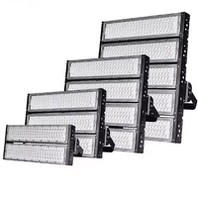
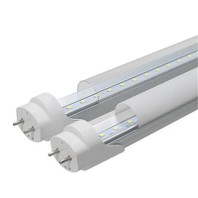
LED fixtures with selectable wattage and color temperature simplify the upgrade process for multiple stakeholders involved in a project: the distributor, the ESCO or contractor, and the end user.
Easier on the Distributor
Managing a large inventory of fixtures of different types, brands, wattages, etc. increases the workload and the risk for a distributor.
Stocking fixtures with selectable color temperature and wattage means fewer SKUs to carry. When they only have to keep one SKU in stock instead of nine, there is less risk of having to warehouse or ultimately unload stock of a less-used SKU.
Knowing all the ins and outs of a product and being able to help customers make good purchase decisions is a lot easier when you’re talking about one SKU versus many. This makes their salesforce more confident and a more valuable resource for ESCOs and contractors, which can lead to more repeat business.
Easier for the ESCO or Contractor
A speedy and complication-free install is the key to profitability for ESCOs and contractors. The more fixture models the installers need to become familiar with, and be able to install at speed, the greater the odds that somebody’s going to make a mistake that can lead to delays, or worse, the need for return visits to make adjustments.
Another source of mistakes? Keeping track of multiple SKUs and where each needs to go.
A speedy and complication-free install is the key to profitability for ESCOs and contractors.
Any confusion puts the brakes on the install while questions get run up the chain for clarification. Working with one fixture across an entire facility completely eliminates those possibilities.
Another way selectable LED color temperature and wattage fixtures benefit contractors? They help make sure the customer is satisfied with how the lighting looks after it’s installed and turned on.
Think about it: Commercial lighting doesn’t happen in a vacuum. The existing paint colors, shadows, amount of sunlight, etc. will impact how the light appears in the real-world environment of the facility. The LED lighting color temperature will interact with these elements in a way that can’t be predicted at the time of project scoping.
In one instance, during a project in an office building, the contractor went with the warmer tones agreed upon, only to find that the gray walls everyone liked suddenly looked pink…which no one liked.
Because the contractor chose a selectable wattage and color fixture, they were able to make adjustments until they found the “Goldilocks” setting of 3.5K which gave adequate light, a warm and comfortable feel, and didn’t turn the walls pink. The rest of the facility was done at that setting, and the customer was pleased.