Smart Lighting & IoT Integration: The Next Phase of LED Industry Growth

The LED lighting industry is entering a new phase driven by smart control and IoT integration. Instead of being simple energy-saving products, lighting systems are now becoming part of connected building infrastructure.
One of the most important trends is the adoption of smart lighting systems in commercial buildings. Offices, warehouses, and retail spaces are increasingly using sensors to control brightness based on occupancy and daylight levels. This helps reduce unnecessary energy consumption while improving lighting comfort.
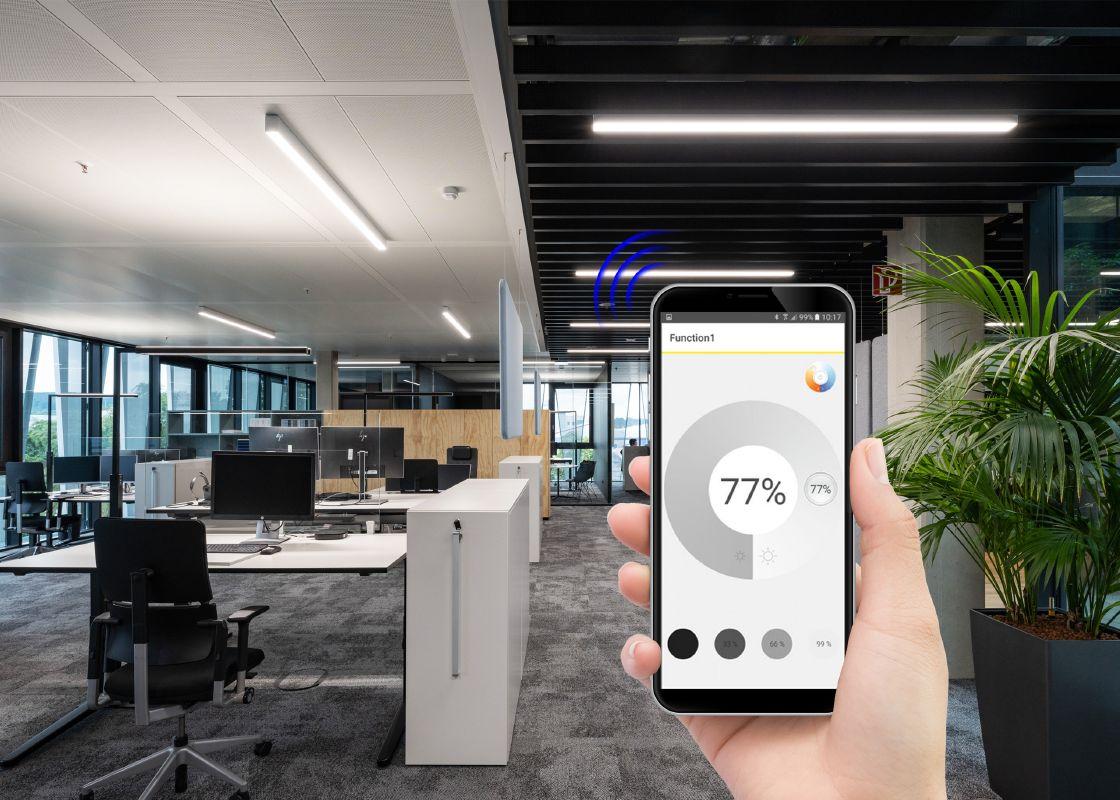
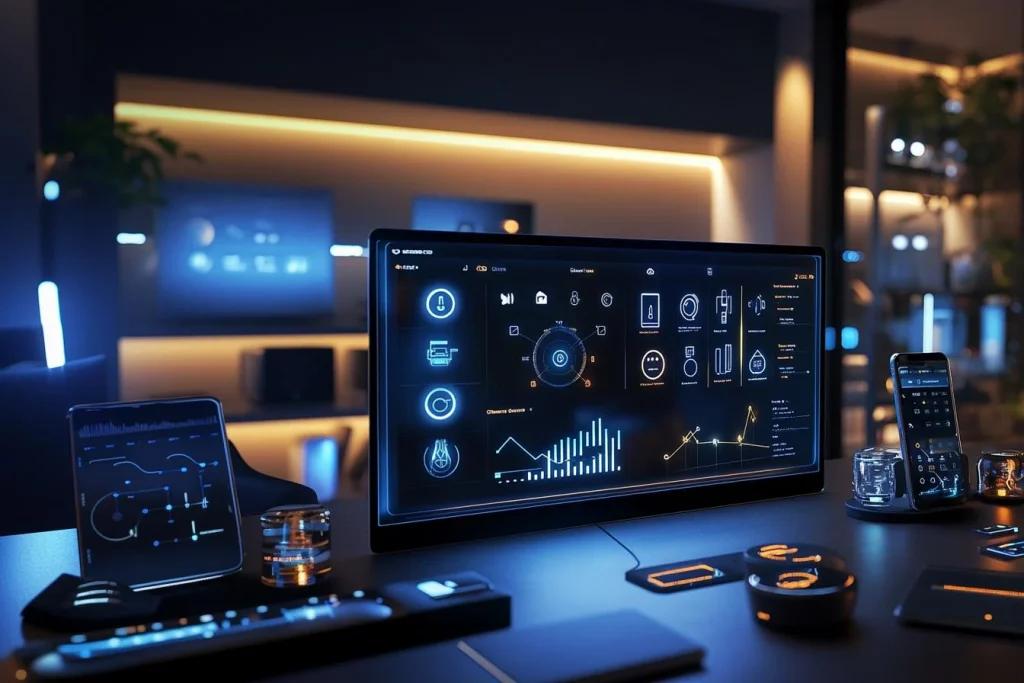
Another key driver is IoT connectivity. Modern LED fixtures can now be connected to mobile apps or centralized building management systems. Users can adjust brightness, color temperature, and schedules remotely. This is particularly useful for large facilities where manual control is inefficient.
The rise of smart cities is also accelerating adoption. Governments are investing in intelligent street lighting systems that can automatically adjust brightness, detect faults, and collect environmental data. This not only reduces maintenance costs but also improves urban energy efficiency.
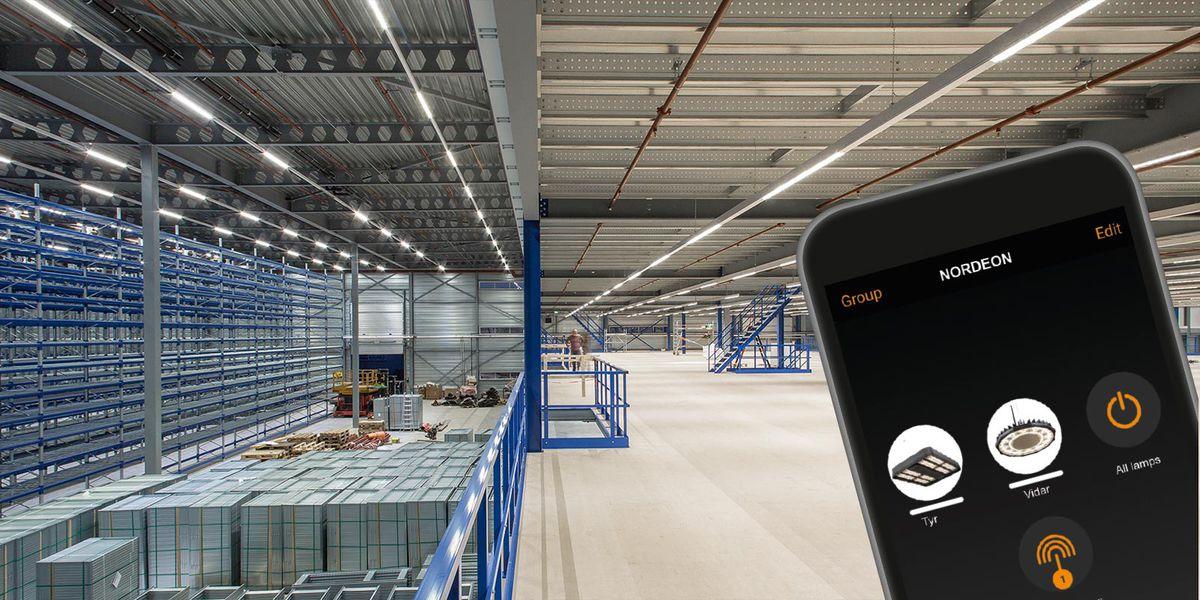
In industrial applications, smart lighting is being integrated with motion sensors and production line systems. Lights can turn on only when workers are present, significantly reducing electricity waste in large warehouses.
Looking ahead, the combination of LED technology, IoT, and AI will continue to reshape the industry. Lighting will no longer be a standalone product but part of a connected ecosystem.