Stylish and Practical LED Office Lighting
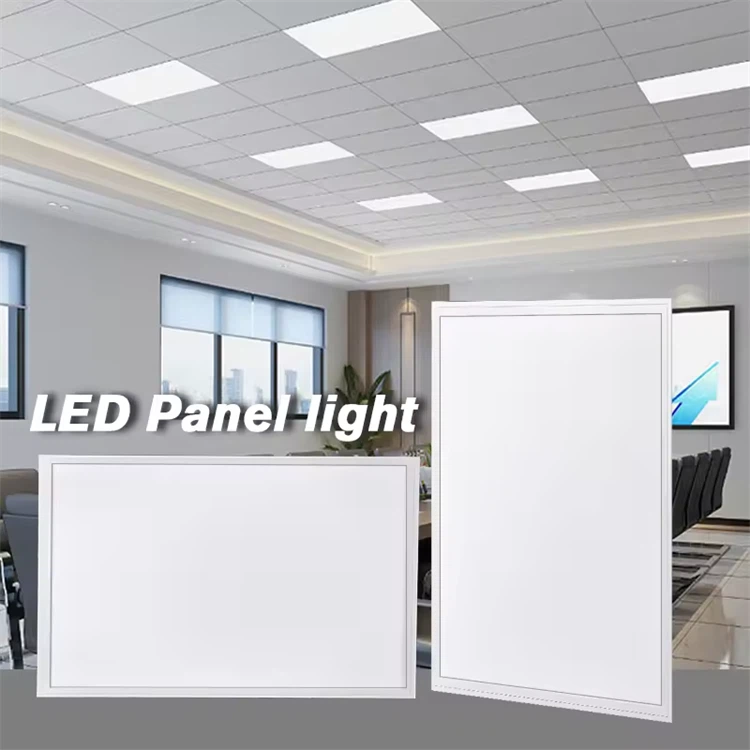
Under the flickering glare of fluorescent lights, rows of clerks sat behind their typewriters, staring out at grimy windows, longing only for the next tea break so they could grab a coffee and catch a moment's rest. They felt exhausted, their productivity had plummeted, and their creativity had vanished. Today, we know that this hellish scene has become a dark and distant chapter of history. We now sit in offices equipped with LED lighting-sleek, modern fixtures that simulate Rayleigh scattering, leaving us feeling happy, energized, and highly productive. But is this truly the case? Although research has confirmed a definitive link between good lighting and health, productivity, and creativity, poor office lighting remains a persistent issue.
This is not merely a matter of visual acuity, but also of visual aesthetics-the beauty of what we see. So, what exactly constitutes "good" office lighting? We believe that the pursuit of aesthetics should never come at the expense of a fixture's functionality and efficiency. Nor should one simply follow the crowd and settle for the banal or tasteless. (LED office lighting featuring LEDiL's new DAISY LED optics.) Of course, the term "good" is inherently subjective; however, numerous global guidelines exist to help define the ideal lighting fixture and outline the standards that must be met. These guidelines typically define the ideal as a perfect blend of light levels, brightness, chromaticity, and directionality, while simultaneously ensuring that the lighting scheme reflects the company's brand identity and fosters a comfortable working environment.
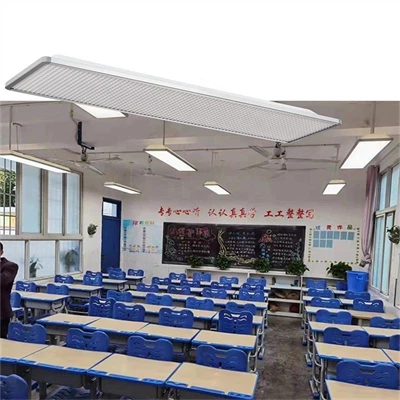
Employing indirect lighting and avoiding stark contrasts on the ceiling helps to eliminate unwanted glare. Although lighting designers can utilize Unified Glare Rating (UGR) tables to assess glare levels and make informed decisions, these ratings can sometimes be misleading. Ideal lighting strikes a balance between natural and artificial light, avoiding harsh shadows, reflections, and glare, while simultaneously maintaining the office's aesthetic appeal through a variety of light sources and appropriate levels of contrast. To create a comprehensive lighting scheme that is both aesthetically pleasing and conducive to work-without casting excessive light directly onto the floor-it is essential to combine both direct and indirect lighting techniques.
We have observed that office lighting is evolving toward miniaturization and distinctive aesthetics, with LEDs serving as the primary light source. Furthermore, by leveraging LEDs to cover the entire spectral range, it is entirely feasible to create ideal indoor office lighting solutions that seamlessly integrate ambient mood lighting with illumination tailored to specific work requirements. Naturally-since all light requires precise control-the use of secondary LED optics becomes essential. LED offers a diverse range of dark-light optics; specifically, the DAISY and FLORENTINA series have been designed expressly for office lighting applications. These two product lines ensure that the light source remains invisible from virtually any viewing angle, thereby completely eliminating the potential for glare-a factor of paramount importance in workplace lighting environments.