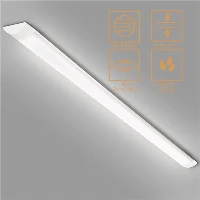
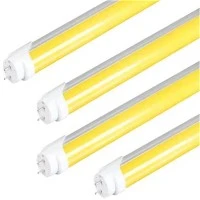
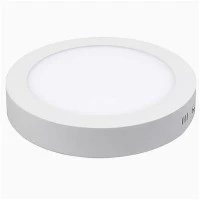
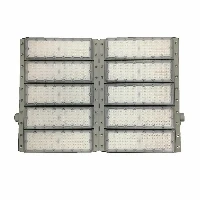
A LED garden light is a piece of outdoor landscape lighting that has excellent flexibility and durability thanks to its use of LED technology. The benefits of LED garden lights include their extended lifespan, low energy consumption, great luminous efficiency, and good color reproduction in many aspects when compared to conventional fluorescent, xenon, and high-pressure sodium lamps.
In this post, we'll go through the components, benefits, and uses of LED garden lights.
I. Structure
The following components make up the majority of LED garden lights:
Lamp body: The lamp body is built of an aluminum alloy, and the surface has been painted or anodized. This increases the lamp's stability and durability by allowing it to withstand weather conditions and corrosion outside.
Lampshade: The lampshade is constructed of a transparent or translucent material, and different materials have various scattering patterns that affect how the LED light is used to create various lighting effects.
LED light-emitting diodes, which have a long lifespan, a high luminous intensity, less heat production, and a wide range of colors, are used as the light source. SMD2835, SMD3030, SMD5050, and other LED light sources are now frequently utilized on the market; SMD5050 offers the highest brightness and dependability.
Heat sink: A heat sink may efficiently lower the temperature of lamps and lanterns to increase the stability and lifespan of LED bulbs. Heat sinks are frequently composed of aluminum alloy or copper tube material.
Driver: The driver circuit for LED garden lights typically uses a constant current driving system with a steady circuit, little noise, and minimal energy loss.
II. Benefits
Low energy consumption: Compared to traditional lamps and lanterns, LED garden lights use only approximately a third of the energy while providing the same lighting. This can lower environmental pollutants as well as energy expenses.
High performance: LED garden lights have the benefit of high performance. Their luminous flux is proportional to their power, and they have luminous efficiencies of up to 100lm/W or more.
Long lifespan: Compared to the lifespan of conventional lamps and lanterns, LED garden lights have a long lifespan of more than 30-50,000 hours. There will also be no deterioration in brightness when in operation.
High color reproduction: The LED light source used in LED garden lights is able to vividly and organically display the original color of the item, restoring it to its original state.
Installation is simple since LED garden lights are compact, lightweight, and don't require special equipment; regular tools work just fine.
Applications III
LED garden lights have a wide range of applications in residences, parks, squares, factories, shopping malls, hotels, and other locations. They are highly adaptable and decorative, and their brightness and color can be changed to suit the situation.
Fourth: Upkeep
Compared to conventional lighting, LED garden lights are far more reliable, long-lasting, and easy to maintain. Please be careful to inspect and fix any problems with the brightness after turning off the power; do not disassemble the device yourself.
V. Summary
In addition to being practical and having a broad range of application possibilities, LED garden lights also offer the advantages of energy efficiency and environmental preservation. In real-world settings, consumers may make choices and purchases based on their actual requirements, enhance lighting effects, enhance environmental beauty, and increase convenience and comfort.