The performance characteristics of LED bulbs
As people’s awareness of energy conservation and environmental protection continues to increase, various energy-saving lamps have been loved by people. There are many energy-saving lamps on the market. LED bulbs are one of them, but many people are not concerned about LED bulbs. In particular, what are the performance characteristics of LED bulbs? What are the key points for purchasing LED bulbs? Let's follow Benwei to find out.
LED bulb light
The performance characteristics of LED bulbs:
1. The unique heat dissipation design process of the LED bulb lamp enables the life of the LED light source to reach more than 50,000 hours. The whole lamp does not need to replace the light source for life, and the maintenance cost is extremely low.
2. The combination of LED bulbs and solar energy is an excellent partner, giving full play to the advantages of LED DC low-voltage work and energy saving and environmental protection. The combination of solar photovoltaic panels and LED light sources can achieve the best cost performance and high reliability for customers.
3. The LED bulb uses a self-packaged single 1W*5 high-power LED as the light source. The light source uses a multi-chip integrated single-module design and uses imported high-brightness semiconductor chips, which have high thermal conductivity, low light decay, and light Pure color, no ghosting and other characteristics.
4. LED bulb light uses LED solid light source, no glass bulb, tungsten wire and other vulnerable parts, can withstand vibration and impact, adopt ordinary E27 common interface, can be directly installed on common AC 86V to 265V interface, easy to use and safe .
5. The energy-saving effect of LED bulb lamp is obvious. The LED lighting lamp with lamp power of 5W has the brightness equivalent to 15W incandescent, which can save energy by 60%.
6. There is no delay in starting the LED bulb, and the normal brightness can be reached after power-on, without waiting, and the number of switches can reach more than one million times.
7. The LED bulb lamp has no bad glare, no stroboscopic, and eliminates the glare, visual fatigue and visual interference caused by the bad glare of traditional lamps.
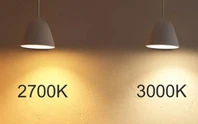
8. The luminous color and color temperature of the LED bulb light source can be flexibly selected, and can be tailored according to user needs, which provides convenience for the design of lamps and lanterns in different application environments.
LED bulb light
The above is a brief introduction about the performance characteristics of LED bulbs. I believe that after the above introduction, everyone will have a further understanding and understanding of LED bulbs. Of course, there are many LED bulbs on the market today. It is not easy to choose high-quality LED bulb products. What are the key points for purchasing LED bulbs? Let's take a look at the following introduction:
Key points for purchasing LED bulbs:
1. Material:
When buying LED bulbs at home, you should try to choose high thermal conductivity plastic (of course, not ordinary plastics), and the car aluminum material is used as the blister to prevent damage. If ordinary plastics are used, the heat dissipation effect is not good, which will lead to the LED ball. The life of the bulb is reduced because the heat needs to be dissipated from the radiator. Therefore, high thermal conductivity plastics, car aluminum and other materials with good heat dissipation effects must be used as the bulb to avoid damage due to overheating.
2. Appearance:
The shape of the LED bulb should also be similar to the shape of an incandescent lamp, pear-shaped, which is no problem for current LED technology, but the heat dissipation problem of the LED itself cannot adopt an all-glass shape structure, and it is better to use it. The best heat dissipation material can ensure the life of the LED bulb.
3. Requirements for the LED bulb lamp itself:
To replace incandescent bulbs with LED bulbs, first choose the brightness of the LED bulbs to be equivalent to ordinary incandescent lamps. As early as 2 years ago, the brightness of 1W LED lamps was already equal to the brightness of 10W incandescent lamps; now, the ratio is even higher. Now, 1:12, which involves a concept of light effect, which is lumens/wattage. The higher the light effect, the better.
4. Radiator:
The heat sink of the LED bulb lamp generally has traces of finishing on the aluminum heat sink of the product. After finishing, the LED base plate can be directly fixed on it. Otherwise, there is an air gap that needs to be coated with thermally conductive glue to improve heat conduction.
5. Volume:
When buying LED bulbs, you should choose the same size and weight. The most important thing is the more common American E26 or E27 screw type base (commonly known as screw port). The power supply should be 220VAC (domestic) (US 110VAC) , The regular manufacturers produce in 100-240V.
6. Power supply:
The basic types of LED bulb power supply are mainly divided into two types: isolated and non-isolated. Generally speaking, non-isolated because it does not require an isolation transformer, the cost is relatively low, but the aluminum substrate has a relatively high withstand voltage requirement, otherwise the radiator will be It may be electrified, and it is not beautiful when it is outside the lamp; the isolated type is safer and easier to pass the safety regulations, but the cost is relatively high, and it is more suitable for household use.