White Plant Grow Lights Indoor: Bring Natural Sunlight Magic to Your Indoor Garden
There's something deeply satisfying about nurturing a lush indoor garden-watching herbs thrive on your kitchen counter, tropical plants transform a corner into a jungle retreat, or seedlings push through soil toward the light. But for many indoor gardeners, the dream of vibrant greenery is hindered by a common enemy: insufficient light. Windows cast uneven glow, winter days are too short, and north-facing rooms leave plants stretching toward dim rays. Enter white plant grow lights indoor-the solution that bridges the gap between natural sunlight and indoor limitations. These innovative lights mimic the full spectrum of sunlight, providing plants with the energy they need to grow while blending seamlessly into your home's decor. In this guide, we'll explore why white indoor grow lights are a game-changer for indoor gardeners, how they work, key features to look for, ideal applications, and expert tips to help your indoor plants thrive.
The Indoor Gardener's Dilemma: Why Natural Light Isn't Enough
Indoor plants face a unique set of challenges when it comes to light. Unlike their outdoor counterparts, which soak up full sunlight throughout the day, indoor plants rely on filtered, inconsistent light from windows. Even sunniest windowsills have limitations:
Seasonal changes: Winter brings shorter days and weaker sunlight, leaving plants starved for energy.
Window orientation: North-facing windows provide soft, indirect light-insufficient for sun-loving plants like tomatoes or succulents-while south-facing windows may scorch delicate leaves with intense midday rays.
Space constraints: Plants in corners, shelves, or rooms without windows get almost no natural light, leading to leggy growth, yellow leaves, and stunted development.
Light spectrum imbalance: After natural light passes through glass, certain wavelengths crucial for plant growth are filtered out, affecting the efficiency of photosynthesis."
Traditional grow lights have tried to solve this, but many fall short. Red-blue LED panels, while effective for photosynthesis, emit an unnatural purple glow that feels harsh in living spaces. Incandescent grow lights waste energy as heat, risking damage to plants and increasing electricity bills. Fluorescent tubes are bulky, emit a cool blue tint, and need frequent replacement. For indoor gardeners who want both plant health and a pleasant home environment, these options miss the mark.
White plant grow lights indoor solve this dilemma by offering the best of both worlds: plant-optimized light that looks natural to the human eye. They provide the full spectrum of light plants need to thrive while blending into your home's aesthetic, making them perfect for living rooms, kitchens, bedrooms, and offices where both plant health and ambiance matter.

How White Indoor Grow Lights Work: Mimicking Sunlight's Magic
At their core, white plant grow lights indoor are engineered to replicate the full spectrum of sunlight-the same light that fuels plant growth outdoors. Understanding their science helps you appreciate why they're so effective for indoor gardens.
The Full Spectrum Advantage
Sunlight contains a continuous range of wavelengths, from ultraviolet (UV) to infrared (IR), but plants primarily use visible light for photosynthesis. White grow lights replicate this full visible spectrum, including:
Blue light (400–500 nm): Critical for leaf growth, stem strength, and chlorophyll production. Essential for seedlings, leafy greens (spinach, lettuce), and foliage plants like pothos or ferns.
Green light (500–600 nm): Once thought unnecessary, green light penetrates deeper into plant canopies, supporting photosynthesis in lower leaves and enhancing overall growth.
Red light (600–700 nm): Stimulates flowering, fruiting, and root development. Vital for tomatoes, peppers, roses, and any plant you want to bloom or produce fruit.
Warm white light (2700K–3500K): Adds a cozy, golden hue that enhances red and orange pigments in plants, making foliage look richer and more vibrant.
Cool white light (4000K–6500K): Provides bright, crisp light that boosts blue wavelengths, ideal for promoting vegetative growth and mimicking daylight.
This full spectrum ensures plants receive balanced light at every growth stage, from seedling to flowering, eliminating the need to switch between different light types as your plants mature.
LED Technology: Efficiency and Control
Most white indoor grow lights use advanced LED (Light-Emitting Diode) technology, which offers significant advantages over older lighting types:
Energy efficiency: LEDs convert 95% of energy into light (vs. 10% for incandescents), reducing electricity costs by up to 75%. A 20-watt LED grow light produces as much usable light as a 100-watt incandescent.
Low heat output: Unlike fluorescent or incandescent lights, LEDs stay cool to the touch, allowing you to position them close to plants without risk of scorching leaves-a must for seedlings and delicate plants.
Long lifespan: LED diodes last 25,000–50,000 hours, meaning you'll replace them once every 3–5 years instead of every few months.
Customizable spectrum: Manufacturers can fine-tune the white light spectrum to emphasize wavelengths most beneficial for plants, ensuring optimal photosynthesis.
Color Temperature: Balancing Plant Needs and Aesthetics
White grow lights are available in different color temperatures, measured in Kelvin (K), which affects both plant growth and how the light looks in your home:
Warm white (2700K–3500K): Emits a soft, yellowish glow similar to sunset. Ideal for creating a cozy ambiance in living rooms or bedrooms and works well for flowering plants that thrive on red wavelengths.
Neutral white (3500K–5000K): Balances blue and red wavelengths with a natural, daylight-like glow. Versatile for most indoor plants, from leafy greens to flowering varieties, and looks great in kitchens or home offices.
Cool white (5000K–6500K): Produces a bright, crisp light that mimics midday sun. Excellent for seedlings, succulents, and plants that need intense light, and fits modern or minimalist decor styles.
Choosing the right color temperature lets you match your grow light to both your plants' needs and your home's aesthetic, ensuring your indoor garden is both functional and beautiful.
Key Features to Look for in White Indoor Grow Lights
Not all white plant grow lights indoor are created equal. To ensure you choose a model that supports your plants and fits your space, prioritize these essential features:
Full Spectrum Coverage
Look for lights labeled "full spectrum" or "sunlight mimicry." These lights include the complete range of wavelengths plants need, from blue to red, ensuring balanced growth. Avoid white lights that lack specific wavelengths-some generic white LEDs may skimp on red or blue light, limiting their effectiveness for plant growth. High-quality brands often provide spectrum charts, showing the distribution of wavelengths, so you can verify they cover 400–700 nm, the sweet spot for photosynthesis.
Adjustable Brightness and Dimming
Plants have different light needs at different stages: seedlings require gentle light to avoid stress, while mature plants thrive on brighter intensity. A grow light with dimmable settings (e.g., 25%, 50%, 75%, 100%) lets you tailor light intensity to your plants' growth stage. This flexibility is especially useful if you grow a variety of plants with varying light requirements, from shade-loving ferns to sun-hungry peppers.
Timed Lighting Modes
Consistent light schedules are crucial for plant health-most indoor plants need 12–16 hours of light followed by 8–12 hours of darkness to respire and grow. White indoor grow lights with built-in timers let you set automatic on/off cycles (e.g., 4, 8, 12, or 16 hours), ensuring your plants get consistent light even when you're busy or on vacation. Some advanced models even offer sunrise/sunset modes, gradually increasing or decreasing brightness to mimic natural light cycles, reducing plant stress.
Energy Efficiency and Low Heat Output
LED grow lights are the gold standard for energy efficiency, but not all LEDs are created equal. Look for lights with high efficacy (measured in lumens per watt)-the higher the number, the more light you get per unit of energy. A good rule of thumb is 50+ lumens per watt. Low heat output is equally important: lights that stay cool to the touch prevent leaf burn and allow closer placement to plants, maximizing light absorption without risk.
Compact, Stylish Design
Unlike bulky traditional grow lights, modern white indoor grow lights are designed to blend into home decor. Look for sleek, minimalist designs that work as both functional tools and decorative elements. Options include:
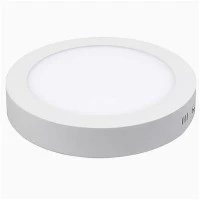
Panel lights: Thin, flat panels that mount under shelves or hang above plant stands.
Clip-on lights: Compact fixtures that attach to pots, shelves, or desks, saving space.
Floor lamps: Stylish standing lights that illuminate large plants or multiple pots.
String lights: Decorative options that add ambiance while providing gentle light for small plants.
Aesthetic design ensures your grow light enhances your space rather than clashing with it, making it easier to keep plants in living areas where they'll be enjoyed.
Easy Installation and Flexible Placement
Indoor gardens come in all shapes and sizes, so your grow light should adapt to your space. Look for lights with versatile mounting options:
Hanging kits: Adjustable ropes or chains let you suspend lights above plant shelves or grow tents at the perfect height.
Clip mounts: Attach to pots, windowsills, or furniture without drilling or permanent installation.
Magnetic bases: Stick to metal surfaces like refrigerators or shelving units for quick, tool-free setup.
Stands or tripods: Free-standing options that work for floor plants or large pots.
Lightweight designs (under 5 pounds) make it easy to reposition the light as your plants grow or as you rearrange your space.
Durability and Long Lifespan
Indoor grow lights should withstand daily use for years. Choose lights with sturdy construction-aluminum or heat-resistant plastic housings protect internal components from dust and moisture. Check the manufacturer's lifespan claim-high-quality LEDs should last 25,000+ hours, which translates to 7+ years of daily use (assuming 10 hours of light per day). A long lifespan reduces replacement costs and ensures consistent performance for your plants.
Ideal Plants and Spaces for White Indoor Grow Lights
White plant grow lights indoor excel at supporting a wide range of indoor plants in various spaces. Here are their top applications:
1. Leafy Greens and Herb Gardens
Fresh herbs and greens are among the easiest indoor plants to grow, and white grow lights help them thrive with vibrant foliage and robust flavor. Basil, mint, parsley, spinach, and lettuce require plenty of blue light for leaf development, which white grow lights provide in abundance. Place a clip-on white grow light above your kitchen windowsill herb garden, setting it to 14–16 hours of light daily. The neutral white glow complements kitchen decor, and you'll enjoy fresh, homegrown ingredients for cooking year-round.
2. Tropical and Foliage Plants
Tropical plants like pothos, philodendrons, monsteras, and peace lilies add lush greenery to indoor spaces but often struggle in low light. White grow lights with warm or neutral temperatures (3000K–5000K) mimic the dappled sunlight of their native rainforests, promoting large, healthy leaves and preventing leggy growth. Hang a panel light above a shelf of tropical plants or use a floor lamp to illuminate a corner monster, ensuring the light reaches all leaves for even growth.
3. Seedlings and Young Plants
Starting seeds indoors gives you a head start on the growing season, but seedlings need intense, consistent light to develop strong stems and avoid stretching. White grow lights with cool temperatures (5000K–6500K) provide the bright, blue-rich light seedlings crave. Position the light 2–4 inches above seed trays, using dimmable settings to start with 50% intensity and increase as seedlings mature. The 16-hour timer ensures they get enough light to grow sturdy, ready for transplanting outdoors when the weather warms.
4. Flowering Plants and Fruiting Vegetables
Indoor flowering plants like orchids, African violets, and begonias, as well as fruiting vegetables like cherry tomatoes, peppers, and strawberries, need red-rich light to bloom and produce fruit. White grow lights with warm temperatures (2700K–3500K) provide the red wavelengths these plants need, while still including blue light for overall health. Place a hanging light above your flowering plants, setting it to 14 hours of light daily, and watch as buds form and blooms open, adding color to your indoor space.
5. Succulents and Cacti
Succulents and cacti are sun-loving plants that struggle indoors without bright light, often stretching toward windows or losing their compact shape. White grow lights with cool temperatures (5000K–6500K) deliver the intense, direct light these plants need to maintain their rosette forms and vibrant colors. Use a clip-on light or small panel above your succulent shelf, positioning it 6–12 inches away, and set it to 12–14 hours of light. The bright, natural glow enhances the rich greens, reds, and purples of your succulents while keeping them healthy.
6. Low-Light Corners and Windowless Rooms
Rooms without windows, like basements, bathrooms, or home offices, can still host thriving plants with the help of white grow lights. Shade-loving plants like snake plants, ZZ plants, ferns, and pothos can survive in low light, but they'll thrive with supplemental white light. A floor lamp with a warm white grow bulb or a slim panel light mounted on the wall provides enough light to keep these plants healthy and attractive, transforming dark corners into green sanctuaries.
Expert Tips for Maximizing Your White Indoor Grow Light
To ensure your white plant grow light delivers optimal results for your indoor garden, follow these expert guidelines:
Position the Light at the Right Distance
The distance between your grow light and plants depends on the light's intensity and your plants' needs:
Seedlings and delicate plants: 2–4 inches away to provide gentle, consistent light without stress.
Leafy greens and herbs: 4–8 inches away to encourage bushy growth.
Mature plants and succulents: 8–12 inches away to deliver bright light without scorching.
Check your plants regularly-if leaves turn yellow or brown, move the light farther away; if stems stretch toward the light, move it closer. Most white grow lights have adjustable height settings, making it easy to adapt as plants grow.
Match Light Duration to Plant Type
Different plants require different amounts of light:
Short-day plants (e.g., poinsettias, chrysanthemums): 8–10 hours of light daily to trigger flowering.
Long-day plants (e.g., spinach, lettuce, most flowers): 14–16 hours of light to promote growth and flowering.
Day-neutral plants (e.g., herbs, tomatoes, peppers): 12–14 hours of light for consistent growth.
Use your grow light's timer to set these schedules, ensuring plants get the right balance of light and darkness. Consistency is key-avoid random on/off times, which can stress plants.
Rotate Plants for Even Growth
Plants naturally grow toward light, which can lead to uneven growth if the light source is directional. Rotate your plants 180 degrees every 2–3 days to ensure all sides receive equal light exposure. This promotes symmetrical growth, keeping your plants looking full and balanced. For large plants or multiple pots on a shelf, position the grow light centrally or use multiple lights to cover the entire area.
Clean the Light Regularly
Dust and debris on your grow light's surface reduce light output by up to 30%, limiting its effectiveness. Wipe the light with a soft, dry cloth every 2–4 weeks to remove dust. For stubborn grime, use a slightly damp cloth (ensure the light is unplugged first) and dry thoroughly before reuse. Clean light panels or bulbs emit brighter, more consistent light, ensuring your plants get the energy they need.
Combine Light with Proper Plant Care
While white grow lights are powerful tools, they work best when paired with good overall plant care:
Water wisely: Avoid overwatering-check soil moisture before watering, and ensure pots have drainage holes.
Fertilize appropriately: Use a balanced, water-soluble fertilizer during the growing season to provide nutrients plants need to use light effectively.
Choose the right soil: Well-draining soil prevents root rot and ensures plants can absorb water and nutrients efficiently.
Prune regularly: Remove dead leaves or leggy growth to redirect energy to healthy growth, which responds better to light.
Light is just one part of the equation-by combining your white grow light with proper watering, fertilizing, and pruning, you'll create the ideal environment for your indoor plants to thrive.
Transform Your Indoor Space with White Grow Lights
White plant grow lights indoor have revolutionized indoor gardening, making it possible to grow lush, healthy plants in any space, regardless of natural light availability. By mimicking the full spectrum of sunlight, these lights provide plants with the energy they need to grow, bloom, and thrive, while their natural white glow enhances your home's decor rather than clashing with it. Whether you're a seasoned indoor gardener looking to boost plant health or a beginner eager to start your first indoor garden, white grow lights offer the perfect blend of functionality and aesthetics.
With features like adjustable brightness, timed modes, and energy-efficient LEDs, these lights adapt to your plants' changing needs, ensuring consistent growth from seedling to maturity. From fresh herbs in the kitchen to tropical plants in the living room, white indoor grow lights let you create a thriving indoor garden that brings nature's beauty into your home year-round.
So why let limited natural light hold back your indoor gardening dreams? Invest in a high-quality white plant grow light, and watch as your indoor plants transform from struggling survivors to vibrant showstoppers. With the right light, care, and a little patience, your indoor garden will flourish, bringing joy, fresh air, and natural beauty to every corner of your home.