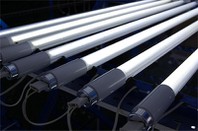
In addition to conventional lighting, theme park lighting also has a large number of theme effect lighting and interpretation lighting. These lightings realize the combination of functionality and landscape, that is, highlight the theme facilities with vivid technical lighting expressions, and carry out targeted lighting design according to the characteristics and functions of each landscape node to create different scenes and atmospheres.
Theme park lighting needs to be designed according to different themes and according to local conditions to avoid the phenomenon of "one thousand cities" in urban night lighting. The main lighting design guidelines are as follows:
(1) Design different lighting effects according to different functional areas of the park;
(2) Reflect people-oriented, fully carry out lighting design from the perspective of tourists;
(3) Consider the invisibility of lamps and lanterns within the visual range to ensure "seeing the light but not the lamp", and make full use of the park infrastructure to hide the lamps, so that the lamps and the park are integrated;
(4) Strictly control the escape of light to avoid light pollution to the sky and surrounding environment;
(5) Appropriately use colored light and dynamic effects, and add interactive lights when conditions permit to increase interest;
(6) Set the lighting control system to realize the theme and lighting energy saving in different areas from the perspective of control strategy.