

Thermal conduction is the transfer of heat by microscopic collisions of particles and movement of electrons between objects of differing kinetic energy. In addition to the ambient temperature, the removal of waste heat by thermal conduction is dependent upon the thermal conductivity of a material that the heat sink is made from and the geometry of the heat sink. Metals, metal alloys, some metal oxides, ceramics, diamond and other forms of carbon are good thermal conductors. Graphene, an allotrope of carbon in the form of a two-dimensional, atomic-scale, hexagonal lattice, has an astonishingly high thermal conductivity of 5000 W/mK. Among the metals, pure copper has the highest thermal conductivity (about 400 W/mK). Aluminum and its alloys have moderate thermal conductivities in the range of 90-240 W/mK. Ceramics, which're both electrically isolating and thermally conductive, offer a thermal conductivity of between 100-200 W/mK. In LED lighting systems, conduction is the first mode of heat transfer along the thermal path. It starts at the semiconductor junction and the thermal load travels through a series of components to end at the convection surface of a heat sink.
Related Knowledge
-
 Tired of Leaky Pool Lights? Discover the Power of Double Waterproof Protection23 Nov, 2026
-
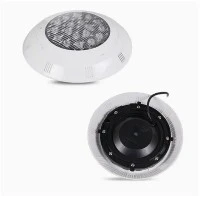 A Beginner's Guide to Installing Waterproof IP68 Pool Lights23 Nov, 2026
-
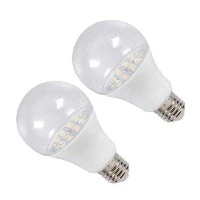 How Many Hours a Night Should a 50W Light Run to Trigger Off-Season Flowering?23 Nov, 2026
-
 Are RGBW Weatherproof Tubes Suitable for Car Washes, Bars, and Outdoor Signage Lighting?23 Nov, 2026